Navigating the Aftermath: Understanding the 2025 Government Shutdown & Its Implications
The recent resolution to the longest government shutdown in U.S.history marks not an end, but a turning point. The agreement, brokered by moderate lawmakers and Senate republicans, has exposed deep fissures within the Democratic Party and raises critical questions about future legislative strategies. This article delves into the complexities of the shutdown, analyzing the motivations behind the initial impasse, the role of key players, and the potential long-term consequences for American politics. Understanding the nuances of this event is crucial for anyone seeking to grasp the current state of governance and the challenges ahead. Recent data from the Congressional Budget Office (CBO) estimates the shutdown cost the U.S. economy over $24 billion, highlighting the notable economic impact of political gridlock.
The Strategy & The Fallout: A Risky Gamble?
The shutdown wasn’t a spontaneous event, but the culmination of a purposeful, albeit controversial, strategy. as Nancy Cordes of CBS News reported, some Senate Democrats believed triggering a shutdown would ultimately grant them leverage over Republicans. The logic hinged on the idea that prolonged disruption – impacting everything from air travel to vital social programs like SNAP (Supplemental Nutrition Assistance Program) – would force concessions.
However, this strategy proved divisive. While the “pain was mounting” - evidenced by increasing flight delays and the looming loss of food assistance for SNAP beneficiaries – eight Senate Democrats ultimately balked, unwilling to continue the experiment. This internal disagreement underscores a fundamental tension within the party: the balance between ideological purity and pragmatic compromise. The debate centers around whether the potential gains justified the real-world consequences for millions of Americans. This situation highlights the complexities of political negotiation and the inherent risks of employing high-stakes tactics.
Key Players & Perspectives
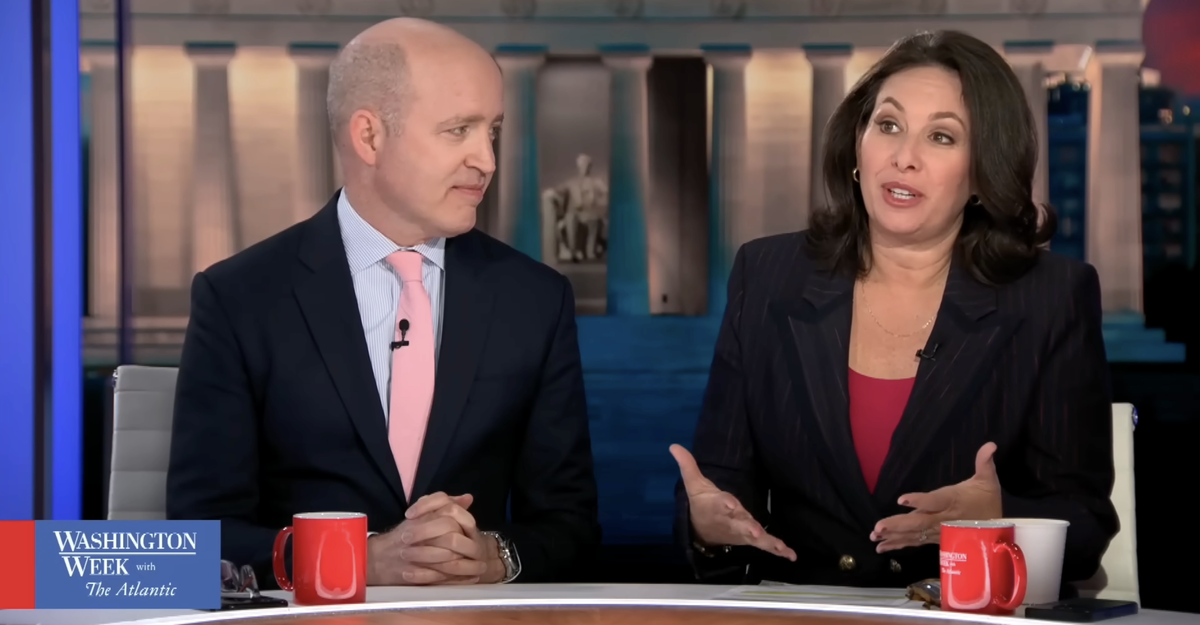
The analysis of the shutdown requires understanding the perspectives of those directly involved. HereS a breakdown of key voices:
* Natalie Andrews (The Wall Street Journal): Provides insight into the White house’s response and the internal dynamics within the Biden administration.
* Nancy Cordes (CBS News): Offers a critical assessment of the Democratic strategy and the internal divisions within the senate.
* Andrew Desiderio (Punchbowl News): Delivers a granular view of the congressional maneuvering and the role of moderate Republicans.
* Jeff Mason (Reuters): Reports on the White House’s interaction strategy and the broader political implications of the shutdown.
* vivian Salama (The Atlantic): provides contextual analysis and frames the broader narrative surrounding the events.
these journalists, thru their reporting, paint a picture of a deeply polarized political landscape were compromise is increasingly challenging to achieve. The shutdown wasn’t simply about budgetary disagreements; it was a symptom of a larger crisis of governance. Understanding these different viewpoints is essential for a complete understanding of the situation. This event also underscores the importance of government funding and the consequences of failing to reach an agreement.
Long-Term Implications & The Future of Governance
The 2025 shutdown has far-reaching implications. It has eroded public trust in government, exacerbated political polarization, and raised serious questions about the effectiveness of the legislative process.The Democratic Party, in particular, faces a period of introspection. The internal divisions exposed during the shutdown could hinder its ability to advance its agenda in the future.
Furthermore,the event has fueled calls for budget reform and a re-evaluation of the current system of continuing resolutions. Experts at the Brookings Institution suggest exploring options like automatic continuing resolutions or a biennial budget process to reduce the frequency of brinkmanship. https://www.brookings.edu/policy2020/big-ideas/how-to-fix-the-budget-process/
The shutdown also highlights the growing influence of hardline factions within both parties, making compromise increasingly difficult. This trend poses a significant threat to the stability of American
Related reading