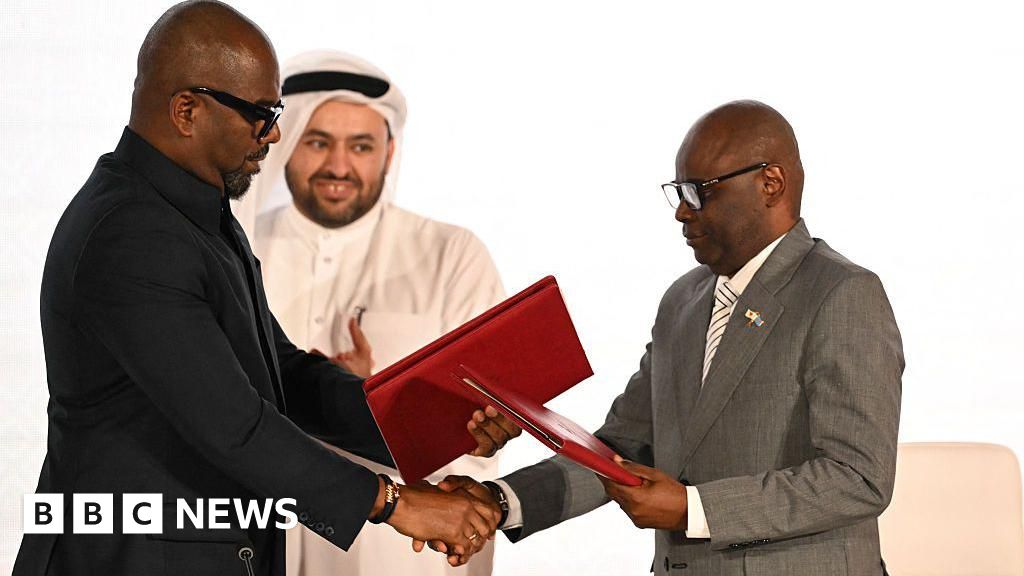
Fragile Hope: DRC & M23 Rebels Sign Peace Framework in qatar – But Will It Last?
(Last Updated: November 16, 2023)
The Democratic Republic of Congo (DRC) and the M23 rebel group, backed by Rwanda, have signed a framework agreement aimed at bringing peace to the conflict-ridden eastern region of the country. This development, brokered in Qatar with support from the US and the African Union, offers a glimmer of hope after decades of instability. But can this agreement succeed where so many others have failed?
A History of Broken Promises
This isn’t the first attempt to quell violence in eastern DRC. Previous peace initiatives have repeatedly faltered, highlighting the deep-seated complexities of the conflict. Remember the US-brokered deal in June, hailed by then-President Trump? It was quickly disregarded by both sides. This time, the stakes feel notably high.
The recent escalation, beginning in January, saw the M23 seize control of key cities like Goma and Bukavu, along with vital airports. This lead to a humanitarian crisis, displacing hundreds of thousands and claiming thousands of lives. You’ve likely seen the images – the scale of suffering is immense.
What’s in the New Framework?
The agreement, built upon prior declarations signed in Doha, outlines eight key protocols. According to US Africa envoy Massad Boulos, these cover crucial areas:
* Humanitarian Access: Ensuring aid reaches those in desperate need.
* Return of Displaced People: Facilitating the safe return of communities forced from thier homes.
* judicial Protection: Strengthening the rule of law and protecting the vulnerable.
* Ceasefire Monitoring: Establishing a robust system to oversee a potential end to hostilities.
* Prisoner Exchanges: A critical step towards building trust, though progress has been slow.
* Withdrawal of Rwandan Troops: A key demand from Kinshasa.
* Disarmament of FDLR: Kigali insists on the disbanding of the FDLR militia.
* Addressing Root Causes: The M23 emphasizes the need to tackle the underlying issues fueling the conflict.
the Core of the Conflict: A Complex Web
Understanding the conflict requires acknowledging the intertwined issues at play. The DRC accuses rwanda of directly supporting the M23, a claim Kigali vehemently denies, despite substantial evidence. Rwanda, in turn, maintains its military presence is defensive, aimed at countering threats from the FDLR.
The FDLR,largely comprised of ethnic Hutus linked to the 1994 Rwandan genocide,operates within the DRC. This creates a volatile security situation and fuels regional tensions. It’s a cycle of accusations and counter-accusations that has perpetuated instability for years.
Resources and Geopolitics
The eastern DRC is incredibly rich in natural resources, including coltan – a vital component in electronics. This wealth has regrettably become a curse, fueling conflict as various actors vie for control.
Reports suggest Kinshasa even offered access to these critical minerals to the US in exchange for security guarantees. This highlights the geopolitical dimensions of the crisis and the global interest in maintaining stability in the region.
What Happens Next?
While the signing of this framework is a positive step,notable challenges remain.
* Implementation is Key: The success of this agreement hinges on its effective implementation. Monitoring the ceasefire, ensuring humanitarian access, and addressing the root causes of the conflict will be crucial.
* Trust Deficit: Years of broken promises have eroded trust between the parties. Building confidence will require transparency and a genuine commitment to peace.
* Regional Cooperation: A lasting solution requires genuine cooperation from all regional actors, including Rwanda, Uganda, and Burundi.
You can stay informed about the evolving situation through these resources:
*[AlJazeera:DRC-Rw[AlJazeera:DRC-Rw[AlJazeera:DRC-Rw[AlJazeera:DRC-Rw
Related reading