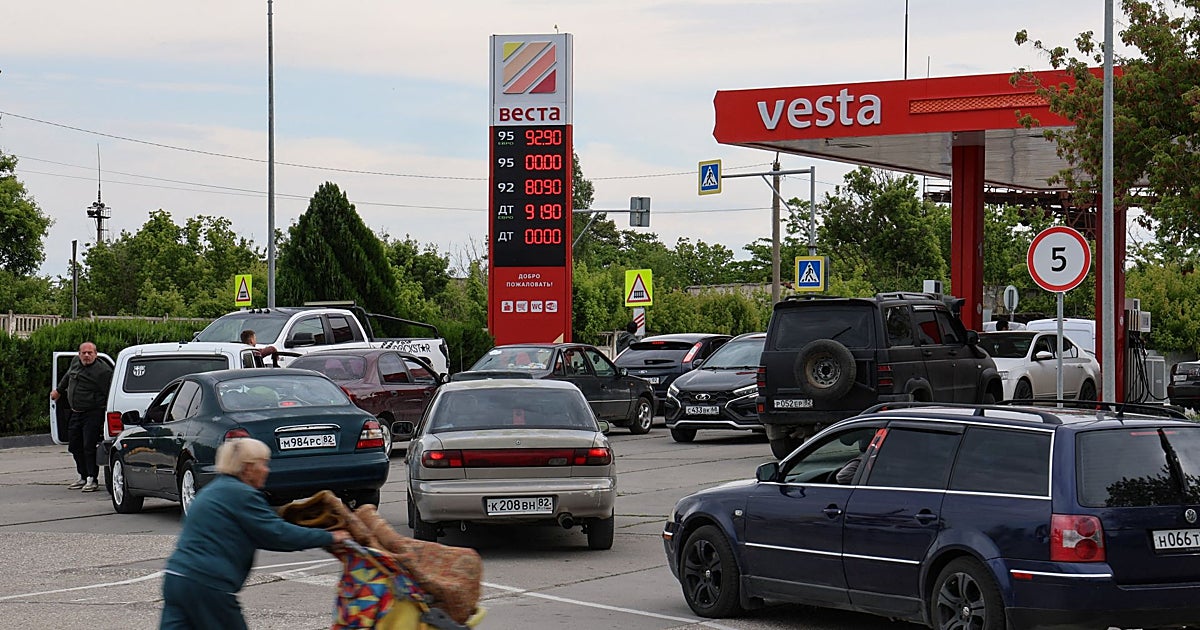
As the ongoing conflict between Russia and Ukraine approaches its winter months, a distinct phase of strategic targeting has emerged along civilian and military supply chains, focusing heavily on fuel distribution networks. Since the spring, the Kremlin’s forces have systematically struck approximately 200 Ukrainian gas stations and fuel infrastructure sites, according to monitoring data and official reports from Kyiv. Simultaneously, Ukrainian forces have maintained retaliatory long-range drone and missile strikes against Russian oil refineries, fuel depots, and storage facilities, shifting a significant portion of the tactical attrition campaign toward petroleum logistics.
This escalating cycle of infrastructure attacks represents a calculated effort by both belligerents to disrupt logistics, degrade combat readiness, and constrain civilian energy access. While frontline engagements continue across eastern and southern Ukraine, the war of the gas stations highlights how modern mechanized warfare relies as heavily on petroleum refining capacity and localized distribution nodes as it does on heavy artillery and armor.
For international observers and local populations, the shifting focus toward fuel infrastructure brings immediate economic disruptions, fluctuating fuel prices, and severe risks to regional energy security. Understanding how these logistical strikes affect both nations requires examining the specific methods, targets, and broader implications of this petroleum-focused campaign.
Targeting Ukraine’s Fuel Retail and Storage Network
Since early spring, Russian missile and drone campaigns have systematically targeted commercial and strategic fuel distribution points across multiple Ukrainian oblasts. According to Ukrainian energy sector assessments and local emergency services, roughly 200 retail gas stations and regional fuel storage depots have sustained varying degrees of damage or total destruction.
The systematic striking of filling stations and local depots serves a dual purpose for Russian planners. Beyond restricting fuel supplies for the Ukrainian military and logistical convoys, these attacks disrupt agricultural harvesting, public transportation, and emergency response operations within targeted regions. Retail fuel sites, by their very nature, are difficult to harden comprehensively against ballistic and drone strikes, making them vulnerable targets in a protracted war of attrition.
In response to these persistent assaults, Ukrainian fuel distributors and municipal authorities have decentralized storage networks, established mobile refueling units, and implemented rapid-repair protocols to maintain continuity. Despite these countermeasures, operators face mounting supply chain pressures, increased insurance costs, and persistent safety hazards for station personnel working under the constant threat of aerial bombardment.
Ukrainian Retaliation Against Russian Refineries
While Ukrainian retail networks absorb heavy losses, Kyiv has adapted its military strategy by deploying long-range uncrewed aerial vehicles to strike deep inside Russian territory. These operations target major petroleum refineries, primary distillation units, and strategic fuel storage terminals that supply both the Russian armed forces and export markets.
Independent tracking and international defense reporting indicate that Ukrainian drone strikes have successfully damaged critical processing units at several key Russian refineries, temporarily reducing domestic output and forcing Moscow to reallocate air defense assets to protect vital industrial facilities. These long-range missions demonstrate Kyiv’s growing capability to project force far beyond the immediate front lines, imposing economic and logistical costs on the Russian state.
The campaign against Russian refining capacity has also influenced domestic fuel markets within the Russian Federation, prompting regional export restrictions and temporary price spikes as federal authorities work to stabilize supplies for domestic consumers and military units alike. Energy analysts note that while these strikes do not immediately halt Russian military operations, they gradually constrain the operational flexibility of motorized and armored formations.
Broader Implications for Regional Energy Security
The systematic targeting of fuel infrastructure by both sides underscores the vulnerability of modern energy supply chains during interstate conflict. The destruction of refining capacity in Russia and distribution networks in Ukraine carries consequences that extend well beyond the immediate combat zone, influencing global petroleum product markets and regional transit corridors.
For international markets, the disruption of Russian refining output alters the flow of refined products such as diesel and gasoline, particularly among nations that maintain trade ties with Moscow. Meanwhile, Ukraine’s reliance on imported fuels from European Union neighbors has intensified, requiring robust cross-border logistical corridors to keep emergency vehicles, agricultural machinery, and civilian transport functioning.
As winter approaches, the protection and restoration of fuel infrastructure remain paramount priorities for both governments. Repair crews operate under hazardous conditions to patch damaged pipelines and storage tanks, while military commanders adjust air defense deployments to shield critical nodes from ongoing aerial attacks.
Official updates regarding infrastructural damage, repair timelines, and regional energy advisories can be tracked through the Cabinet of Ministers of Ukraine and international energy monitoring organizations. Readers are encouraged to share their perspectives or join the discussion in the comments section below.
Related reading