Gaza Partition Plan Raises Humanitarian Concerns as Crisis Deepens
The situation in Gaza remains dire, with escalating calls for international intervention to address the escalating humanitarian crisis. Recent reports detail a proposed U.S. military plan to partition Gaza into zones, sparking further debate and concern over the future of the region and its civilian population. Let’s delve into the details and what this means for you and the future of Gaza.
Understanding the Proposed Partition
A map circulating details a potential division of Gaza into “green” and “red” zones,reportedly under a U.S. military proposal for post-conflict reconstruction. this plan aims to establish areas for rebuilding and potential governance, but raises important questions about displacement, security, and the overall impact on Palestinian civilians.
* Green Zones: These areas are envisioned for reconstruction and potential resettlement.
* Red zones: These zones likely represent areas designated for continued security operations or deemed unsuitable for immediate rebuilding.
The specifics of this plan, including the criteria for zone designation and the long-term implications for residents, remain largely unclear. However, the very concept of partitioning Gaza raises serious humanitarian and political concerns.
The Humanitarian Crisis: A Growing Emergency
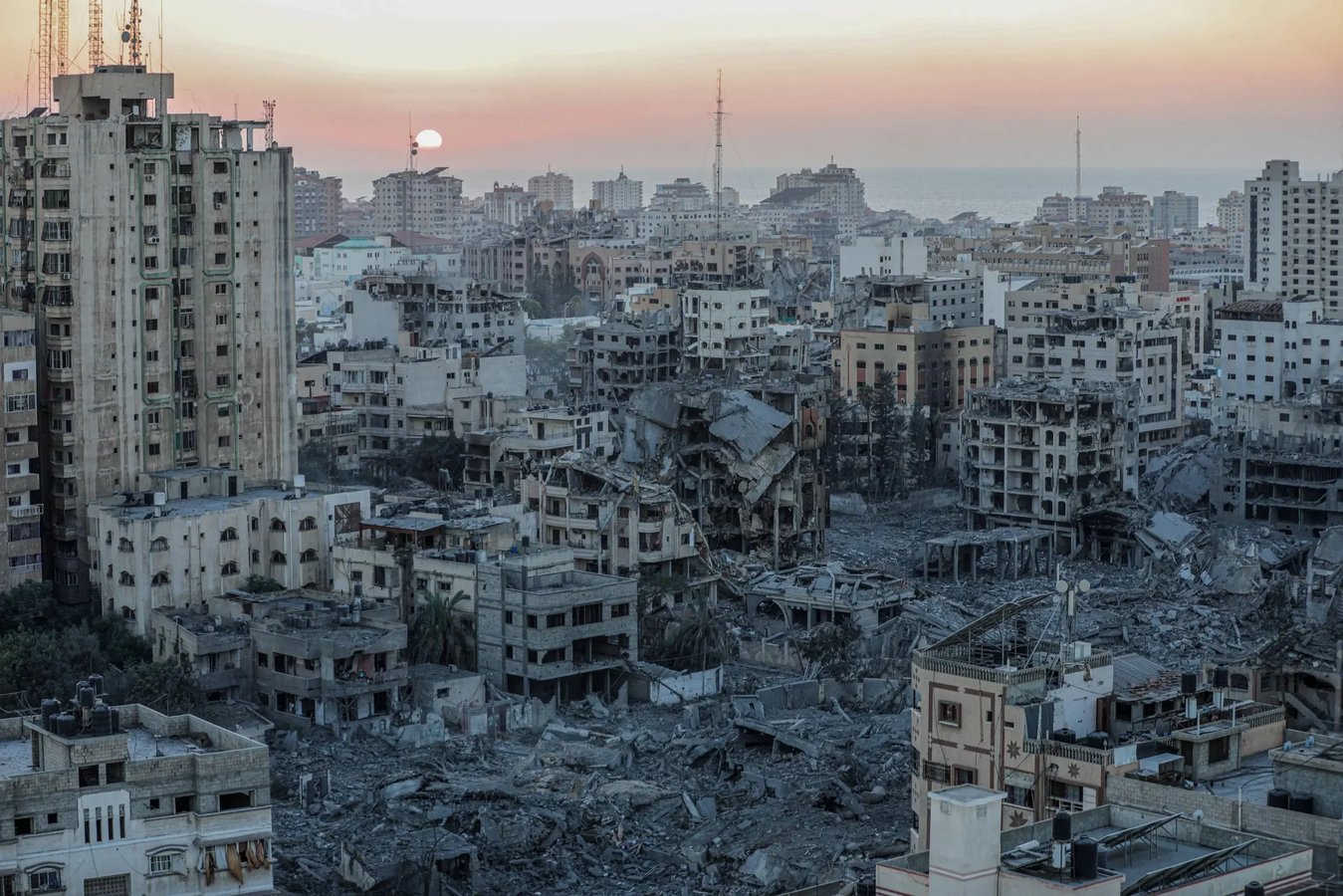
You’ve likely seen the heartbreaking images and read the reports detailing the immense suffering in Gaza. The ongoing conflict has led to widespread displacement, shortages of essential supplies, and a collapse of vital infrastructure. International organizations, like the United Nations Relief and Works Agency (UNRWA), are struggling to meet the overwhelming needs of the population.
Consider these critical points:
* Unobstructed aid Delivery: The international community is increasingly urging Israel to facilitate the unimpeded flow of humanitarian aid into Gaza.
* Essential Services at Risk: UNRWA plays a crucial role in providing education and healthcare to Palestinian refugees. A disruption of these services would have devastating consequences.
* Protecting Civilians: The crisis underscores the urgent need to uphold international legal frameworks designed to protect civilians in occupied territories.
International Pressure and the Path Forward
The European Union and the United States are facing mounting pressure to leverage their influence and ensure Israel adheres to its humanitarian obligations. You might be wondering what this means for a lasting resolution. The evolving geopolitical landscape, coupled with the U.S. military’s proposed intervention, will substantially shape the fate of millions of Palestinians.
This situation is more than just a political conflict; it’s a human tragedy unfolding before our eyes. It demands a comprehensive and compassionate response from the international community.
A Critical Test for International Law
This crisis represents a pivotal moment for international law and the principles of humanitarian intervention. The world is watching to see if the commitments to protect civilians and uphold human rights will be honored.
The future of Gaza hangs in the balance. A sustainable solution requires a commitment to dialog, respect for international law, and a genuine effort to address the underlying causes of the conflict. It’s a complex challenge, but one that demands our attention and action.
Keep reading