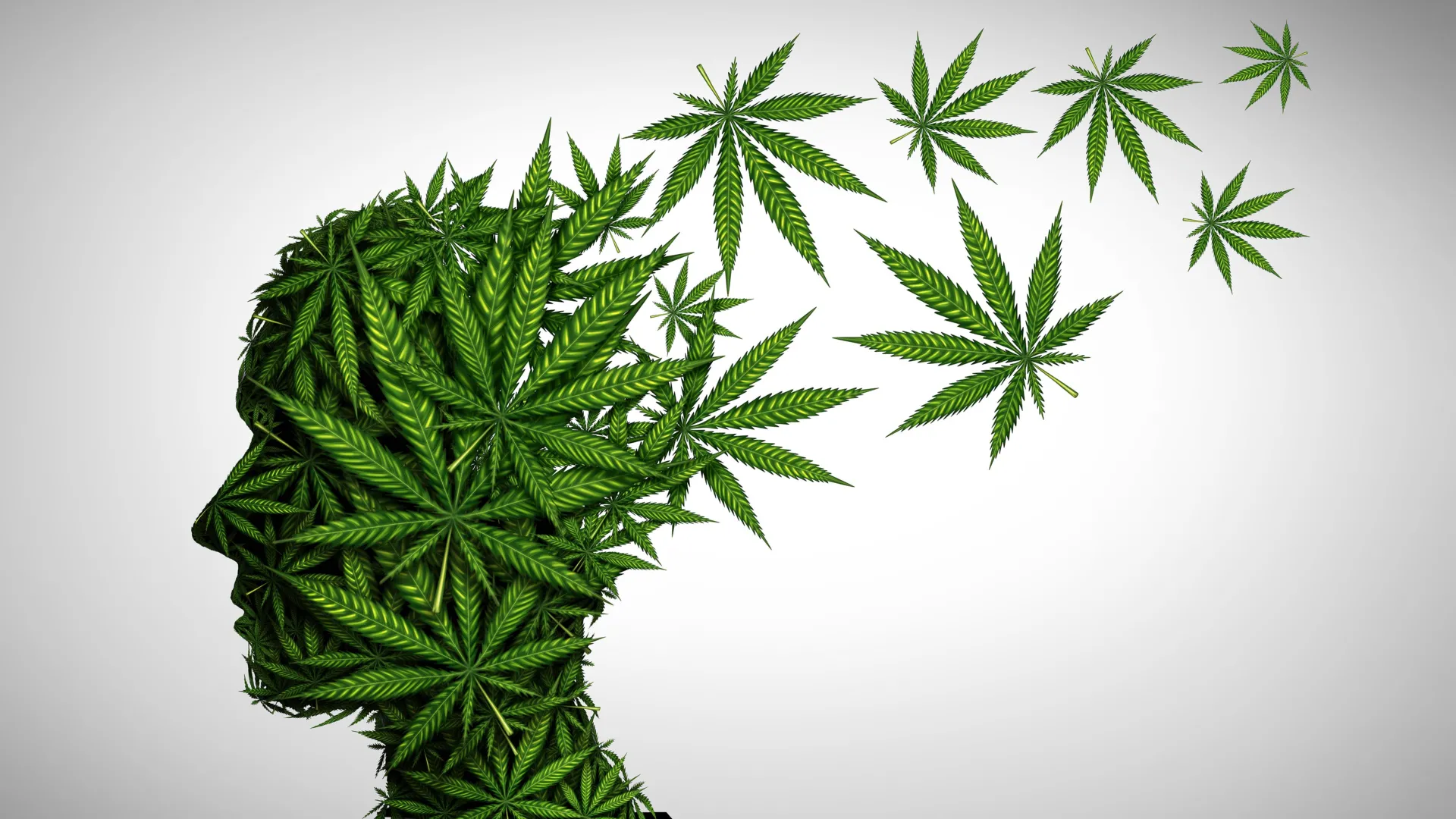
Cannabis and Tobacco Co-Use: Unraveling the Brain Changes Behind Increased Risk
For years, clinicians have observed a troubling correlation: individuals who use both cannabis and tobacco often experience more severe mental health challenges and struggle more with cannabis cessation than those who use cannabis alone. Now, groundbreaking research from mcgill University’s Douglas Research Centre is beginning to illuminate why. This study, published in Drug and Alcohol Dependence Reports, reveals measurable differences in brain activity between individuals who combine cannabis and tobacco versus those who use cannabis in isolation, pointing to a specific molecular mechanism potentially driving these adverse outcomes.
This isn’t simply an observation of correlation; it’s the first human evidence of a biological pathway linking co-use to increased vulnerability.Understanding this pathway is a critical step towards developing targeted treatments for cannabis use disorder, particularly for the meaningful population who also use tobacco.
The Persistent Problem of Co-Use
while overall tobacco use is declining in many regions, the co-occurrence of cannabis and tobacco remains surprisingly high. In Canada, approximately 5% of recent cannabis users are at risk of developing cannabis use disorder. Though,this rate escalates dramatically to around 33% among those who consume cannabis more frequently. This suggests that factors beyond cannabis alone are at play in the development of problematic use.
Historically, research has largely treated cannabis and tobacco as separate entities. this created a significant knowledge gap, as real-world use often involves the combination of both substances. this new research directly addresses this gap, offering crucial insights into the complex interplay between the two.
Disrupting the “Bliss Molecule” System: The Role of FAAH
The study utilized Positron Emission Tomography (PET) scans to examine brain activity in 13 young adults – eight exclusive cannabis users and five who used both cannabis and cigarettes daily. The results were striking.Individuals who used both substances exhibited significantly elevated levels of FAAH (fatty acid amide hydrolase) compared to those who used cannabis alone.
FAAH is an enzyme responsible for breaking down anandamide, a naturally occurring endocannabinoid often referred to as the ”bliss molecule.” anandamide plays a vital role in regulating mood, stress response, and pain perception. Higher FAAH levels translate to lower anandamide levels, a neurochemical imbalance previously linked to increased anxiety, depression, and a heightened risk of relapse during cannabis cessation attempts.
Essentially, the combination of cannabis and tobacco appears to disrupt the brain’s natural ability to regulate mood and manage stress, potentially creating a vicious cycle of dependence.
A Small Study, Significant Implications
While the study involved a relatively small sample size, the strength of the observed effect is noteworthy. “What surprised us was how strong the effect was, and how diffrent it was from those who only used cannabis, compared to those who used both tobacco and cannabis,” explains co-author Romina Mizrahi, Professor of Psychiatry and director of the McGill Research Center for Cannabis.
It’s crucial to acknowledge a limitation: the study lacked a control group consisting solely of tobacco users. This means the observed changes could potentially be attributable to tobacco alone. however, researchers believe the data strongly suggests a synergistic interaction between the two substances, rather than a simple additive effect.
Future Research: Isolating Tobacco’s Impact
To further clarify the role of tobacco, the research team is currently recruiting participants for a follow-up study. This project will investigate whether similar brain changes occur in individuals who smoke cigarettes or vape nicotine without concurrent cannabis use. This crucial next step will help determine whether FAAH elevation is a direct consequence of nicotine exposure or a result of the combined effects of cannabis and tobacco.
What This Means for Treatment and Prevention
The findings have significant implications for both the treatment of cannabis use disorder and preventative strategies. Currently, treatment options primarily rely on behavioral therapies like counseling.However, identifying the FAAH-anandamide pathway opens the door to potential pharmacological interventions. Future medications could be developed to modulate FAAH activity, potentially restoring anandamide levels and alleviating symptoms of anxiety, depression, and craving.
Moreover, this research underscores the importance of addressing tobacco use within cannabis treatment programs. Clinicians should proactively screen for tobacco co-use and provide tailored interventions to support cessation from both substances.
Frequently Asked Questions About Cannabis and Tobacco Co-Use
Q: Does using tobacco with cannabis make it harder to quit cannabis?
A: Yes, research suggests that co-using cannabis and tobacco is associated with a higher risk of relapse and greater difficulty in achieving cannabis abstinence, likely due to disruptions in the brain’s natural reward and stress regulation systems.
Q: What is FAAH and how does it relate to cannabis and tobacco use?
A: FAAH is an enzyme that breaks down anandamide, a neurotransmitter linked to mood and
Worth a look