Understanding & Managing Blood Sugar Swings in Type 2 Diabetes
Are you living with type 2 diabetes and noticing your blood sugar levels aren’t as stable as you’d like? You’re not alone. Many individuals experience fluctuations, and increasingly, healthcare professionals are recognizing the importance of understanding why these swings happen and how to manage them effectively.
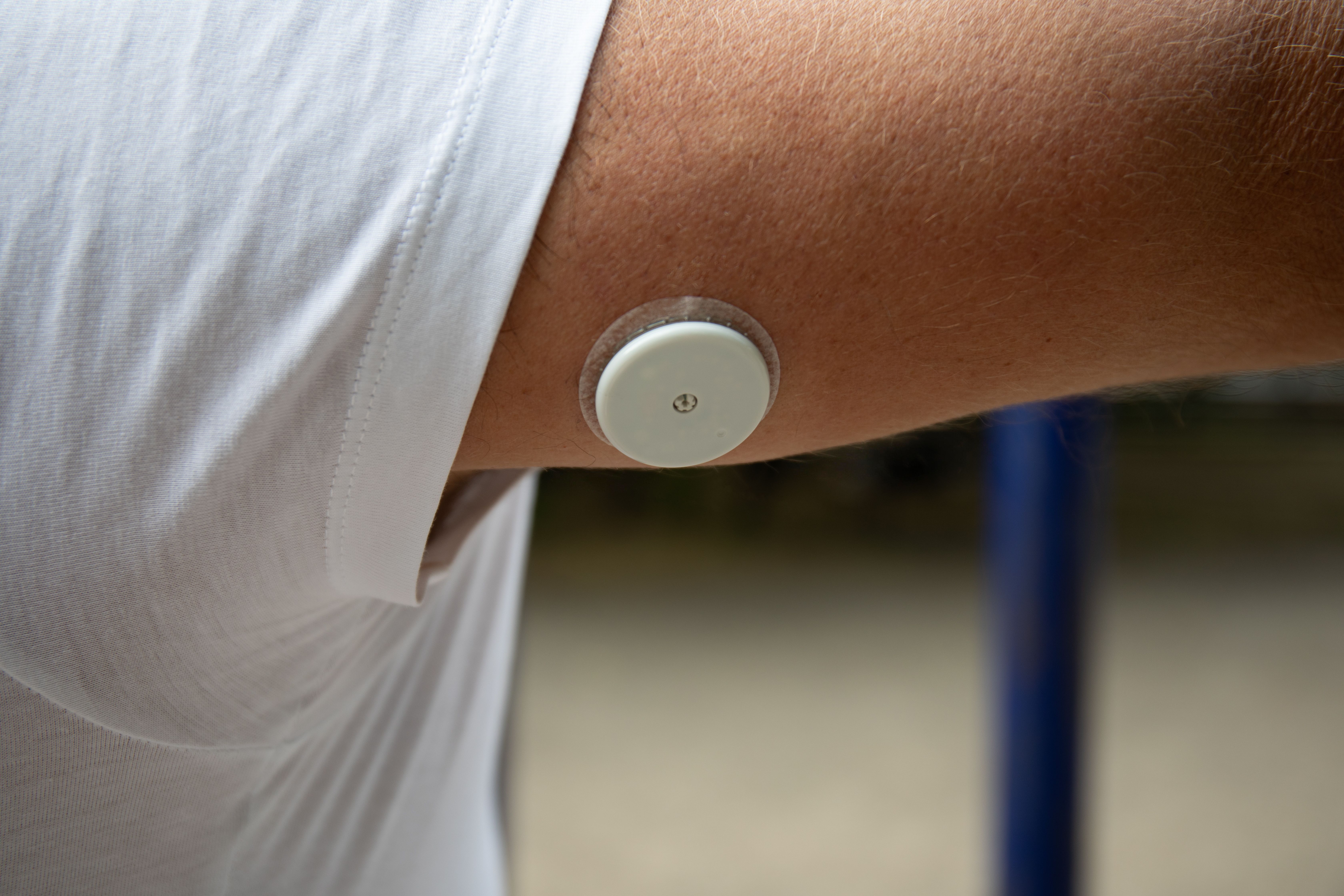
Customary measures like HbA1c and fasting glucose provide a snapshot of your average blood sugar, but they can sometimes miss the daily ups and downs that significantly impact how you feel. Continuous glucose monitoring (CGM) is changing that, offering a much more detailed picture of your glucose patterns.
Why Do Blood Sugar Levels Fluctuate?
several factors can contribute to unpredictable blood sugar levels. It’s rarely just one thing, and often a combination of influences is at play. Here’s a breakdown of key areas to consider:
* Disease Duration: The longer you’ve lived with type 2 diabetes, the more likely you are to experience variability.
* Body Mass Index (BMI): Your BMI can play a role, with some studies suggesting a link between lower BMI and increased fluctuations.
* Pancreatic Function: Reduced function of your pancreas – the organ responsible for insulin production – can lead to less stable glucose levels.
* Triglycerides: Elevated triglyceride levels, a type of fat in your blood, have also been associated with greater glucose variability.
* C-Peptide Levels: This marker indicates how much insulin your pancreas is producing, and can offer insights into your body’s insulin response.
* Lifestyle Factors: Don’t underestimate the impact of diet, exercise, stress, and sleep on your blood sugar.
What Does Glucose Variability Feel Like?
Unstable blood sugar can manifest in a variety of ways. You might experience:
* Fatigue and Low Energy: Frequent highs and lows can leave you feeling drained.
* Increased Thirst and Frequent Urination: These are classic signs of high blood sugar.
* Difficulty Concentrating: Blood sugar swings can impact cognitive function.
* Mood Swings and Irritability: Fluctuating glucose can affect your emotional well-being.
* Unexplained Hunger: Even after eating, you might feel hungry if your blood sugar isn’t stable.
Why is Managing Fluctuations Crucial?
Beyond just feeling better, minimizing blood sugar swings is crucial for long-term health. Consistent hyperglycemia (high blood sugar) and hypoglycemia (low blood sugar) can increase your risk of complications. These include:
* Cardiovascular Disease: Uncontrolled blood sugar damages blood vessels.
* Neuropathy: Nerve damage, frequently enough affecting the feet and hands.
* Nephropathy: Kidney damage.
* Retinopathy: Eye damage.
What Can You Do to Improve stability?
Fortunately, there are proactive steps you can take to gain better control.
- Talk to Your Healthcare Team: Discuss your concerns and explore whether CGM is right for you.
- Personalize Your Diet: Work with a registered dietitian to create a meal plan that supports stable blood sugar. Focus on whole, unprocessed foods, and be mindful of carbohydrate intake.
- Prioritize Regular Exercise: Physical activity helps improve insulin sensitivity and glucose control.
- Manage Stress: Find healthy ways to cope with stress, such as meditation, yoga, or spending time in nature.
- Prioritize Sleep: Aim for 7-9 hours of quality sleep each night.
- Self-Monitor Regularly: Whether thru traditional blood glucose monitoring or CGM,tracking your levels is essential.
- Educate Yourself: The more you understand your diabetes, the better equipped you’ll be to manage it effectively.
If you’re experiencing significant glucose fluctuations, remember you deserve to feel your best. By working closely