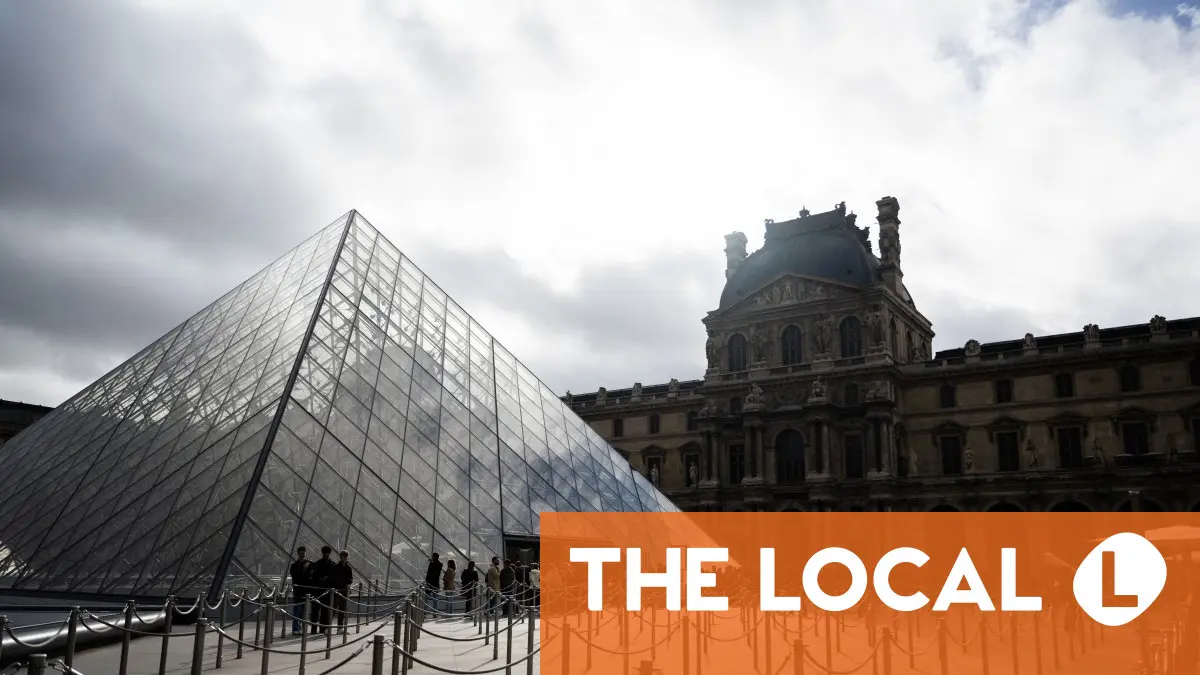
Louvre Museum Closes Gallery Amid Structural Concerns: What Visitors Need to know
The world-renowned Louvre Museum, a beacon of art and history, has temporarily closed its Campana Gallery following the finding of structural weaknesses. This precautionary measure, announced on November 17, 2025, underscores the ongoing challenges of maintaining a historic landmark while welcoming millions of visitors annually. Understanding the Louvre closure and its implications is crucial for both prospective travelers and art enthusiasts.
Understanding the Structural Issues at the Louvre
The closure affects the nine rooms within the Campana Gallery, dedicated to showcasing ancient Greek ceramics. Investigations are focused on “certain beams supporting the floors of the second floor” above the gallery. While unrelated to the recent high-profile robbery, this news adds to existing concerns about the museum’s infrastructure. The Louvre, visited by a staggering 8.7 million people in 2024 (Louvre Museum Official Visitor Statistics, 2024), faces the constant pressure of balancing preservation with public access.
This isn’t a sudden revelation. Museum director laurence des Cars issued a memo in January 2025 highlighting a “proliferation of damage” within the former royal palace. Issues ranged from leaks and temperature fluctuations – directly impacting artwork preservation – to more fundamental structural concerns. the affected area above the Campana Gallery currently houses office space,and the 65 staff members working there have been temporarily relocated.
Beyond the Closure: Security Concerns and Recent Events
The Louvre security breach in October 2025, where thieves made off with an estimated $102 million in jewelry, brought the museum’s vulnerabilities into sharp focus. This incident, executed with surprising audacity using ladders and angle grinders, sparked widespread criticism of the museum’s security protocols. The current gallery closure,while stemming from a separate issue,amplifies these anxieties.Are these isolated incidents, or symptoms of a larger systemic problem?
Recent reports suggest a growing trend of cultural heritage sites facing similar challenges. A UNESCO report released in June 2025 (UNESCO World Heritage Site Preservation Report, 2025) highlighted the increasing strain on historic buildings due to climate change, visitor numbers, and aging infrastructure. This underscores the need for proactive maintenance and investment in preservation efforts.
what does this mean for your visit? Currently, the rest of the Louvre remains open, including iconic exhibits like the Mona Lisa and Venus de Milo. Though, access to ancient Greek ceramics is temporarily suspended. The museum has not yet announced a reopening date for the Campana Gallery, but promises updates as investigations progress. For the latest information,check the official Louvre Museum website (https://www.louvre.fr/en).
Practical Tips for Visiting the Louvre During Disruptions
Planning a trip to the Louvre requires flexibility, especially given recent events. Here’s how to make the most of your visit:
- Check the Louvre’s website before you go: Confirm which galleries are open and any potential closures.
- Book tickets online in advance: This avoids long queues and guarantees entry. Consider a timed-entry ticket.
- Prioritize your must-see exhibits: With potential closures, focus on the artworks you absolutely want to experience.
- Explore alternative museums: Paris boasts a wealth of world-class museums, such as the Musée d’Orsay and the Center Pompidou.
- Consider a guided tour: A knowledgeable guide can navigate the museum efficiently and provide valuable insights.
Evergreen Insights: The Ongoing Challenge of Preserving Cultural Heritage
The Louvre’s situation is a microcosm of the broader challenges facing cultural heritage sites worldwide. Maintaining these treasures for future generations requires a delicate balance between accessibility, security, and preservation. Investing in preventative maintenance, embracing innovative technologies for monitoring structural integrity, and adapting security measures to evolving threats are all crucial. The long-term sustainability of these institutions depends on a commitment to proactive stewardship.
FAQ: Addressing Your Questions About the Louvre Closure
Q: Will the Louvre closure affect my pre-booked tickets?
A: The Louvre is offering refunds or exchanges for tickets specifically covering access to the Campana Gallery. Check their website for details.
Q: Is the Louvre safe to visit given the recent robbery and structural issues?
A: The Louvre has increased security measures following the robbery. The gallery closure is a precautionary measure related to structural integrity, not an immediate safety threat to visitors.
**Q: What is
Worth a look
- President Bola Tinubu Arrives in Kigali for 13th Africa CEO Forum
- Arizona Cuts Healthcare Spending to Reduce Costs
- Mere Closure Prompts Scrutiny Over New Discount Chain in Siauliai (archyworldys.com)
- Veterans of Australian Defence Force Operations Post-1990: Prioritised Collaborative Partnerships (world-today-news.com)