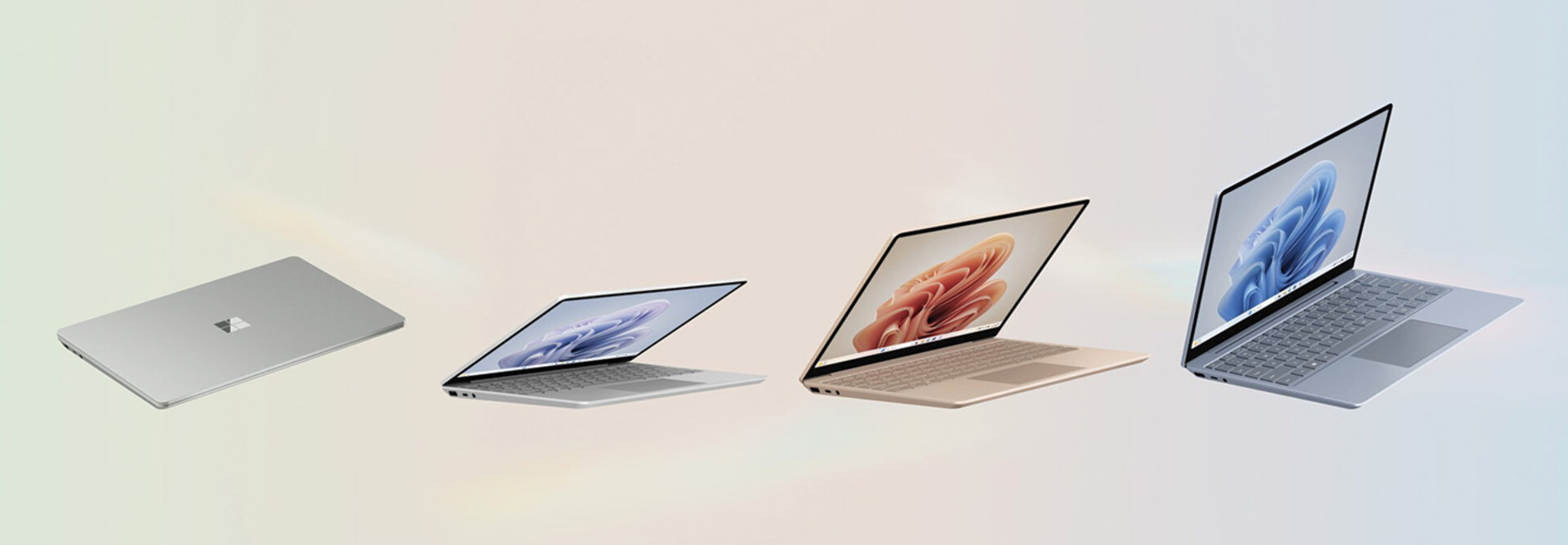
Revolutionizing Healthcare wiht Microsoft Copilot+ PCs: A New Era of AI-Powered Efficiency & Security
Are you a healthcare professional feeling overwhelmed by administrative burdens and seeking ways to enhance patient care? The integration of Artificial Intelligence (AI) is rapidly transforming the industry,and a key component of this evolution is the emergence of Microsoft Copilot+ pcs. these aren’t just another hardware upgrade; they represent a fundamental shift in how healthcare organizations approach diagnostics, documentation, and overall operational efficiency.
These innovative Windows devices, equipped with dedicated Neural Processing Units (NPUs), bring AI processing directly to the point of care. This means clinicians can now analyze medical images, generate accurate clinical notes, and delve into patient data in real-time – all without constant reliance on cloud computing. A recent report by Gartner (November 2023) predicts that AI-powered automation will save healthcare providers up to 30% on administrative costs by 2026. But the benefits extend far beyond simple cost savings.
The Power of On-Device AI in Healthcare
The core advantage of Copilot+ PCs lies in their ability to perform AI tasks locally. This localized processing dramatically reduces latency, enabling faster and more informed decision-making. Imagine a radiologist instantly receiving AI-assisted analysis of a scan, or a physician quickly generating a complete patient summary after an appointment. This isn’t a futuristic fantasy; it’s the reality Copilot+ PCs are delivering today.
Beyond speed,this architecture addresses critical concerns surrounding data privacy and regulatory compliance. HIPAA regulations and similar global standards demand stringent protection of patient health data (PHI). because sensitive data is processed directly on the device’s NPU, it minimizes the risk of exposure during transmission to and from the cloud. This is a game-changer for organizations prioritizing data security.
Key benefits include:
* Faster Diagnostics: AI-powered image analysis accelerates identification of anomalies.
* Reduced administrative Burden: Automated note-taking and data entry free up clinician time.
* Enhanced Data Security: On-device processing minimizes data exposure and supports HIPAA compliance.
* improved Patient Care: More time with patients, leading to better outcomes.
* Streamlined Workflows: AI integration optimizes processes across departments.
Furthermore, Copilot+ PCs incorporate robust security features like Microsoft Pluton security processor, Trusted Platform Module (TPM) 2.0, and enterprise-grade encryption. These layers of protection ensure that AI tools can be deployed safely within regulated medical environments, safeguarding patient confidentiality.Consider exploring Microsoft’s detailed security documentation for a comprehensive understanding of these features: https://learn.microsoft.com/en-us/windows/security/hardware-security/pluton/microsoft-pluton-security-processor.
Addressing Common Concerns: Cloud vs. On-Device Processing
Many healthcare professionals are understandably hesitant about relying solely on cloud-based AI solutions. Concerns about data breaches, network connectivity, and vendor lock-in are valid. Microsoft Copilot+ PCs offer a compelling alternative by bringing the power of AI directly to the device. This hybrid approach – leveraging both cloud and on-device capabilities - provides the flexibility and security healthcare organizations need. for organizations exploring cloud options,understanding the different cloud computing service models (IaaS,PaaS,SaaS) is crucial: https://www.cdw.com/content/cdw/en/articles/cloud/top-3-cloud-computing-service-models.html.
Actionable Steps for Implementation:
- assess Current Workflows: Identify areas where AI could streamline processes.
- Pilot program: Implement Copilot+ PCs in a specific department to evaluate performance.
- data Security Audit: Ensure compliance with HIPAA and other relevant regulations.
- Training & support: Provide clinicians with adequate training on using the new technology.
- Monitor & Optimize: Continuously track performance and adjust workflows as needed.
Related Keywords: AI in healthcare, medical AI, HIPAA compliant devices, on-device AI, neural processing unit, clinical documentation automation, patient data security.
Evergreen Insights: The Future of AI in Medicine
The integration of AI into healthcare
Worth a look