Global health authorities and extensive clinical data confirm that HPV vaccines do not cause autoimmune diseases, vasculitis, or death, according to the World Health Organization (WHO) and the Centers for Disease Control and Prevention (CDC). These vaccines, designed to prevent human papillomavirus infections that lead to cervical and other cancers, have undergone rigorous safety monitoring across millions of doses worldwide with no evidence of a causal link to systemic autoimmune syndromes.
The debate regarding HPV vaccine safety often centers on reports of complex regional pain syndrome (CRPS) or postural orthostatic tachycardia syndrome (POTS). However, the WHO Global Advisory Committee on Vaccine Safety (GACVS) has reviewed these concerns multiple times and concluded that the available data do not support a causal relationship between the vaccine and these conditions. The committee maintains that the benefits of cancer prevention far outweigh the risks of rare adverse events.
In the United States, the CDC and the FDA monitor vaccine safety through the Vaccine Adverse Event Reporting System (VAERS). While VAERS allows anyone to report a health event occurring after vaccination, these reports are not proof that the vaccine caused the event. Thorough epidemiological studies involving hundreds of thousands of participants have consistently shown that the rate of autoimmune disorders in vaccinated individuals is not higher than the background rate in the general unvaccinated population.
Scientific Consensus on HPV Vaccines and Autoimmune Risk
Medical research indicates that HPV vaccines do not trigger autoimmune responses such as vasculitis or systemic lupus erythematosus. According to a comprehensive review by the World Health Organization, the safety profile of the HPV vaccine remains strong across different age groups and regions. The vaccines work by stimulating the immune system to produce antibodies against the virus, a process that differs fundamentally from the mechanisms that cause the body to attack its own tissues in autoimmune diseases.
Vasculitis, an inflammation of the blood vessels, is a rare condition with various triggers, but large-scale population studies have not found a statistical increase in vasculitis cases following HPV vaccination. The Centers for Disease Control and Prevention emphasizes that the vaccines are safe and effective, noting that the most common side effects are mild, such as pain at the injection site, fever, or dizziness (syncope), which is common to many vaccines administered to adolescents.
The claim that these vaccines lead to death is not supported by verified clinical data. Deaths reported following vaccination are investigated by health regulators to determine the cause. In the vast majority of cases, these events are found to be coincidental and unrelated to the vaccine, often stemming from pre-existing health conditions or unrelated acute medical emergencies.
Addressing the POTS and CRPS Controversy
Much of the misinformation regarding HPV vaccines stems from small case series reporting Postural Orthostatic Tachycardia Syndrome (POTS) and Complex Regional Pain Syndrome (CRPS). These conditions involve dysfunction of the autonomic nervous system and chronic pain, respectively. Because these symptoms often appear during adolescence—the same window in which the HPV vaccine is typically administered—temporal coincidence is frequently mistaken for causation.
The European Medicines Agency (EMA) conducted a detailed review of these reports and concluded that the evidence does not support a causal link between the HPV vaccine and the development of POTS or CRPS. The EMA found that the symptoms of these syndromes are broad and can be caused by various factors, and the incidence of these conditions in vaccinated cohorts did not exceed the expected rates in the general adolescent population.
Health professionals note that the psychological impact of receiving a vaccine can sometimes trigger fainting or anxiety-related symptoms, which may be misidentified as more severe neurological or autoimmune disorders. This underscores the importance of clinical diagnosis over anecdotal reporting.
The Public Health Impact of HPV Vaccination
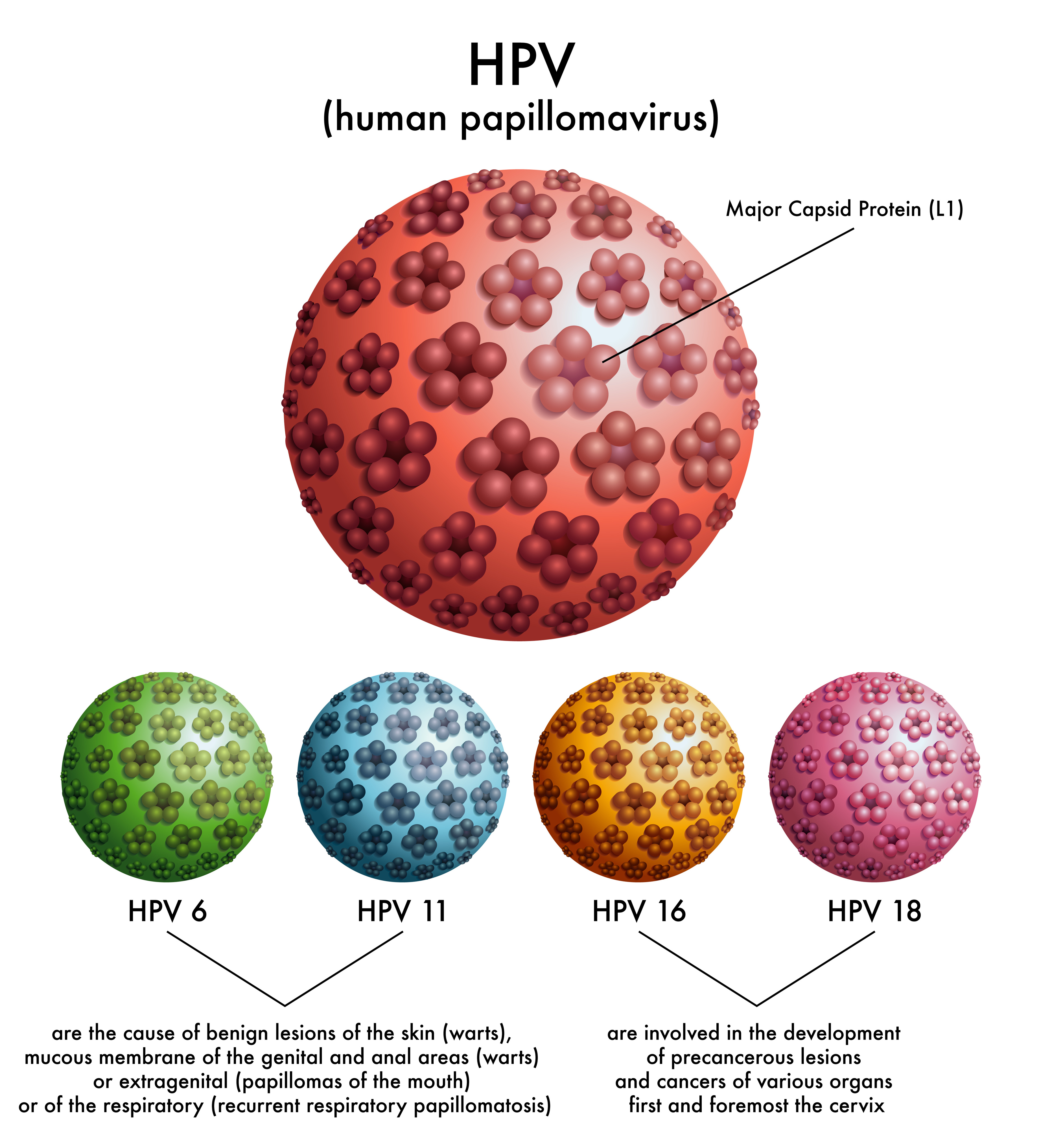
The primary goal of the HPV vaccine is the reduction of cervical cancer, which remains a leading cause of death for women in low- and middle-income countries. By targeting the high-risk HPV types 16 and 18, the vaccines prevent the cellular changes that lead to malignancy. According to data from countries with high vaccination rates, such as Australia and the UK, there has been a significant decrease in the prevalence of HPV infections and pre-cancerous lesions.
The risk of cervical cancer is a concrete and documented danger, whereas the risk of severe autoimmune reactions from the vaccine is not supported by evidence. Medical experts argue that avoiding the vaccine based on unverified claims of vasculitis or autoimmune triggers exposes individuals to a preventable and potentially fatal cancer.
The vaccines currently in use, including Gardasil 9, are approved by regulatory bodies worldwide after passing through multi-phase clinical trials. These trials involve thousands of participants and are designed to detect both common and rare adverse events before the product reaches the general public.
How to Verify Vaccine Safety Information
To distinguish between anecdotal claims and scientific fact, patients and parents are encouraged to use verified medical databases. The CDC’s Vaccine Adverse Event Reporting System (VAERS) is a public tool, but it requires professional interpretation to separate “events” from “causality.” For verified safety summaries, the WHO’s GACVS reports provide the global gold standard for vaccine surveillance.
When reviewing claims about “vaccine injury,” it is critical to look for peer-reviewed studies in reputable journals like The Lancet or the New England Journal of Medicine, rather than social media posts or non-medical blogs. These journals require rigorous data verification and peer review before publication.
For those with a history of severe allergies to vaccine components, such as yeast, consultation with a healthcare provider is recommended to determine the appropriate course of action. This is a standard medical precaution and is distinct from the debunked claims regarding autoimmune triggers.
The next major update on global HPV vaccination trends and long-term efficacy data is expected through the continuing surveillance reports of the WHO and national health ministries as they track the reduction of cervical cancer rates in the first generation of vaccinated cohorts.
If you have questions about vaccine safety or need guidance on the HPV vaccination schedule, please share your thoughts in the comments or consult your primary healthcare provider.