Life on the Line: Resilience and Abandonment in a Lebanese Border Village
Alma al-Chaab, a village nestled in the verdant hills of southern Lebanon, embodies both the enduring spirit of its residents and the crushing weight of neglect following recent conflict. The landscape, once a symbol of prosperity, now bears the scars of destruction, leaving families grappling with displacement and a profound sense of abandonment. this is a story of survival, faith, and a desperate plea for support.
The village, historically rich in agriculture, boasts thriving orchards of oranges, olives, avocados, and pomegranates. Palm and pine trees contribute too the local economy, especially the valuable pine nut harvest.However, recent hostilities have taken a devastating toll.
Hundreds of pine trees were felled during the 2024 Israeli occupation, a loss that extends beyond economics to the very heart of the community’s identity. You can see the stark evidence of this destruction even today.
A Village on the Brink
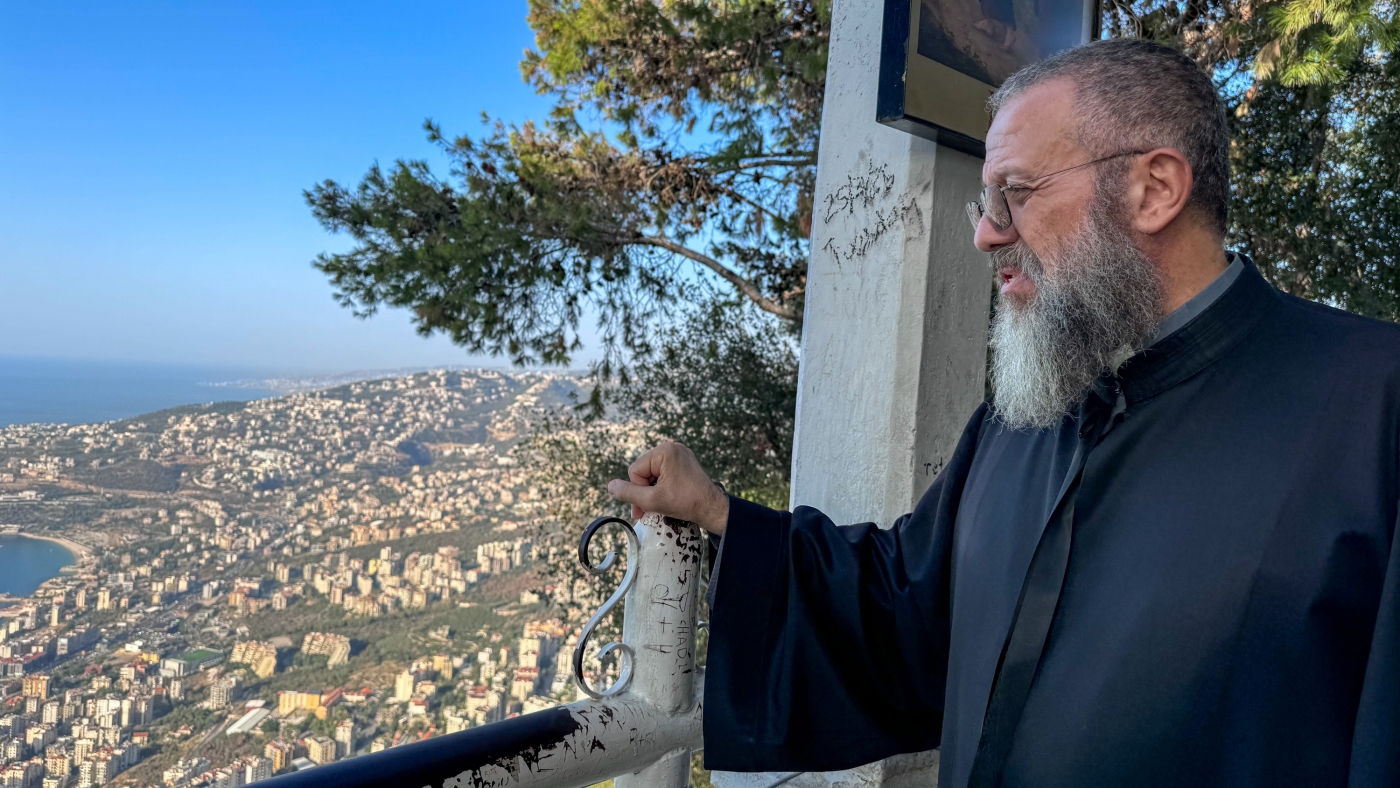
Located less than a mile from the Israeli border, Alma al-Chaab exists in a constant state of tension. The proximity to the Israeli city of Nahariya is a visible reminder of the ongoing conflict. Yet, the view also encompasses the stunning beauty of Lebanon’s Bay of Naqoura, a poignant contrast to the hardship endured by its peopel.
Homes lie in ruins, marked with numbers for potential reconstruction claims. Sadly, reconstruction remains a distant dream. Lebanon’s severe economic crisis has left the goverment unable to provide assistance, and displaced residents, who painstakingly saved for years to build their homes, now find themselves with nothing.
“We love the Lebanese state, but they should love us as much as we love them,” explains a local math teacher, currently on leave. He points out that a year after the ceasefire, basic necessities like electricity and running water remain unavailable. “We are a part of the Lebanese land. We want to stay here.”
A Plea for Faith-Based Support
The community’s disappointment extends to the Church, from which they had hoped for greater support. Residents feel a moral obligation from religious leaders to aid in rebuilding their lives and preserving the Christian presence in the region.
“We believed the Church should help us rebuild,” one resident states. “If they want Christians to stay in this area they need to help.”
A heartfelt letter was penned to Pope Leo, urging him to visit southern Lebanon. The hope is that even a brief visit would offer a powerful message of solidarity and remind the world that these communities have not been forgotten.
Planting Seeds of Hope
Despite the overwhelming challenges, the people of Alma al-chaab are not succumbing to despair. Many residents are choosing to forgo attending the Pope’s events, rather opting to participate in a symbolic act of renewal.
They will gather to plant new pine trees,replacing those lost during the conflict. This act represents a commitment to the future, a refusal to be defined by destruction, and a powerful statement of resilience.
This village’s story is a microcosm of the broader struggles facing southern Lebanon. It’s a testament to the enduring spirit of a community clinging to its land,its faith,and its hope for a better tomorrow. It’s also a stark reminder of the urgent need for sustained support – not just from the government, but from international organizations and faith-based institutions – to ensure the survival of these vulnerable communities.
Worth a look