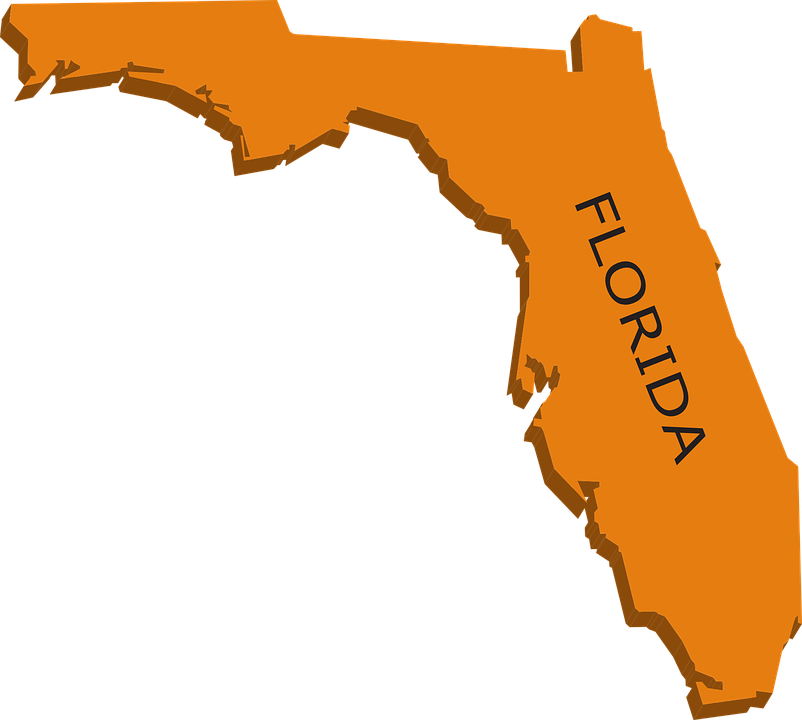
Public health officials in Florida have confirmed a total of 12 infections caused by Vibrio vulnificus, a rare and potentially dangerous bacterium commonly found in warm coastal waters. According to the Florida Department of Health, the state’s tracking includes two newly reported cases identified in Palm Beach County, bringing heightened attention to the risks associated with exposure to estuarine and marine environments during warmer months.
The bacterial pathogen, often referred to colloquially as a flesh-eating organism, typically enters the human body through open wounds exposed to brackish or saltwater, or through the consumption of raw or undercooked shellfish. State health authorities monitor these infections closely each year, particularly as seasonal temperatures rise and recreational water activities increase along Florida’s extensive coastline.
While most infections remain sporadic, public health agencies emphasize that prompt medical evaluation is critical for anyone developing symptoms after potential exposure. Understanding how the bacterium spreads and recognizing early warning signs can significantly alter treatment outcomes for affected individuals.
Understanding Vibrio Vulnificus and Transmission Risks
Vibrio vulnificus is a bacterium that naturally thrives in warm seawater and is part of a group of Vibrio bacteria that can cause severe illness. According to data from the Centers for Disease Control and Prevention, individuals with compromised immune systems, chronic liver disease, or open wounds face a substantially higher risk of developing severe complications if exposed to the pathogen.
Infection routes generally fall into two primary categories:
- Direct exposure of cuts, scrapes, or recent tattoos to saltwater or brackish water.
- Ingestion of raw or undercooked seafood, particularly oysters harvested from warm coastal waters.
Symptoms of wound infection often include rapid development of redness, swelling, and pain at the site of exposure, which can quickly progress to blistering skin lesions, fever, and chills. When contracted through food consumption, the bacterium can cause vomiting, diarrhea, abdominal pain, and bloodstream infections that require immediate emergency medical care.
Statewide Surveillance and Regional Impact
The identification of infections in Palm Beach County underscores that waterborne bacterial risks are not confined to specific coastal pockets or the Gulf Coast alone. County health departments across Florida maintain active surveillance programs to track water quality and report bacterial counts, working alongside state epidemiologists to monitor infection rates.
Public health guidelines advise residents and visitors to take straightforward precautions during recreational water activities. Individuals with open wounds, cuts, or recent surgical incisions are strongly discouraged from entering saltwater or brackish water unless the area is completely covered by a waterproof bandage. Additionally, cooking shellfish thoroughly before consumption remains an effective preventive measure against foodborne transmission.
Health officials continue to update guidance through the Florida Department of Health official portal, where residents can review current county-level advisories, beach water testing results, and seasonal safety recommendations.
Next Steps and Official Monitoring
The Florida Department of Health continues to track surveillance data across all affected counties and updates regional advisories as new environmental or clinical information becomes available. Individuals seeking specific guidance or reporting suspected symptoms can consult local county health department bulletins or review safety notices published by the Florida Department of Health.
Worth a look