Croatia Confronts Rising Far-right Sentiment with Large-Scale anti-Fascist Protests
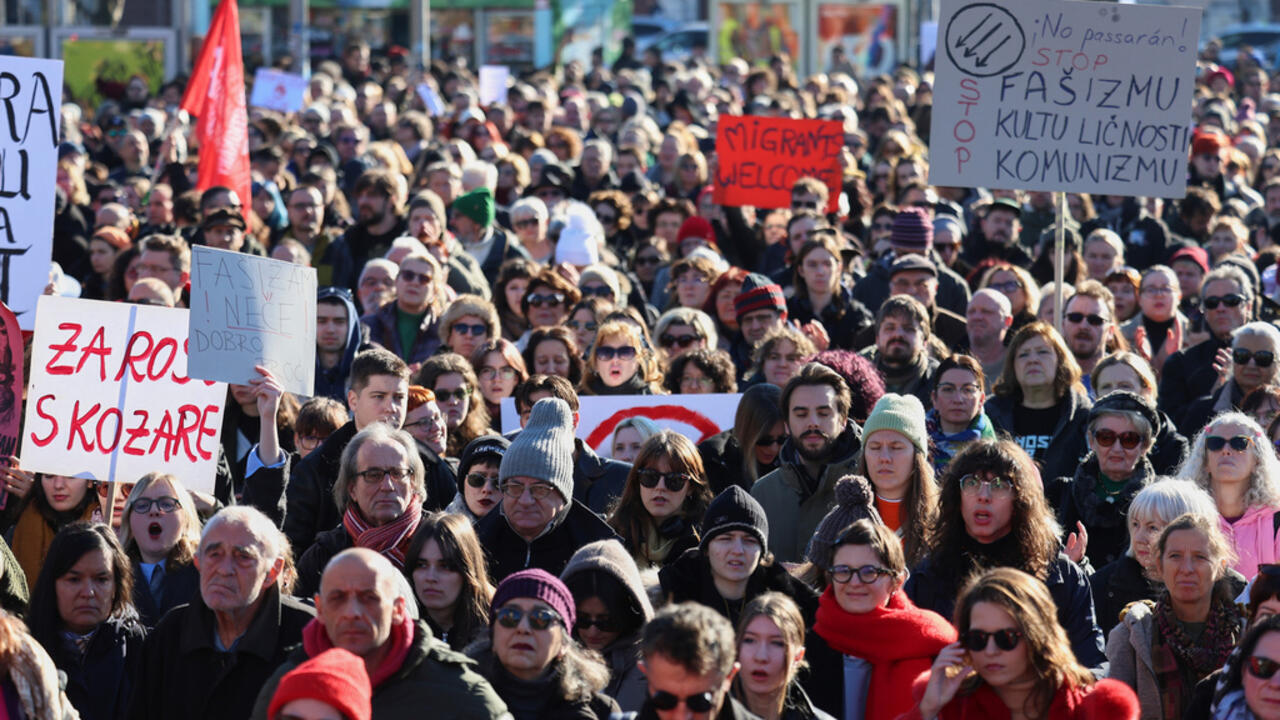
Several thousand Croatians took to the streets of Zagreb this past Sunday, demonstrating a powerful rejection of growing far-right ideologies and ancient revisionism within the country. This surge in activism comes as Croatia grapples with a concerning trend: the increasing visibility and influence of nationalist groups attempting to rehabilitate the image of the country’s WWII pro-Nazi regime.
Recent months have witnessed a disturbing escalation of right-wing activity.This includes targeted harassment of the Serb minority and the brazen public display of the Ustasha salute – a gesture associated with the wartime fascist regime. You might be wondering why this is happening now, and understanding the historical context is key.
A History of Division
Relations between Croatia and it’s Serb population remain deeply fractured, stemming from the brutal conflict of the 1990s.Croatia fought for independence from Yugoslavia, a war fueled by tensions with Belgrade-backed rebel Serbs who opposed the nation’s sovereignty. This legacy continues to shape the political landscape today.
Here’s a breakdown of recent events highlighting the growing concern:
* November: Masked individuals disrupted a Serb cultural event in Split, openly performing the Ustasha salute.
* July: A concert by ultra-nationalist singer Marko Perkovic Thompson drew hundreds of thousands of attendees. Thompson’s music frequently incorporates the Ustasha salute and is accompanied by associated symbols.
* Post-concert: two members of parliament publicly performed the salute within the parliamentary chamber.
* October: A round table discussion hosted by the assembly attempted to minimize the number of victims from Croatia’s WWII death camps.
These incidents have fueled anxieties about a resurgence of extremist ideologies. Organizers of Sunday’s march articulated this fear, stating that “fascists are no longer ashamed, nor do they hide,” and calling for resistance against “violence, historical revisionism, and intimidation.”
Understanding the Ustasha and its Legacy
The Ustasha organization, which ruled the Independent State of Croatia (NDH) during WWII, was a brutal Nazi puppet state.It systematically persecuted and murdered hundreds of thousands of Serbs, Jews, Roma, and anti-fascist Croats.Despite this horrific history, some modern sympathizers view the Ustasha as foundational figures in Croatian national identity.
This revisionist perspective is deeply troubling to many croatians. Kristijan Kralj, an electrical engineering student and protester, explained, “We currently have a problem with widespread revival of Ustasha ideology.”
A united Front Against Extremism
The marchers, chanting ”We are all anti-fascists,” walked through central Zagreb carrying a banner proclaiming “United against Fascism.” Similar demonstrations took place in Rijeka, Pula, and Zadar, demonstrating a widespread rejection of extremism across the Adriatic coast.
Dado Gazda, who traveled from Bjelovar to participate, emphasized the urgency of the situation. “The time has come to say what is bothering us, why we are worried about our country,” he stated.
This outpouring of public dissent signals a critical moment for Croatia. it represents a resolute effort to safeguard the nation’s future by confronting its past and resisting the hazardous allure of far-right ideologies.The events underscore the importance of vigilance and active participation in defending democratic values and fostering a more inclusive and tolerant society.
(Source: France 24 and AFP)