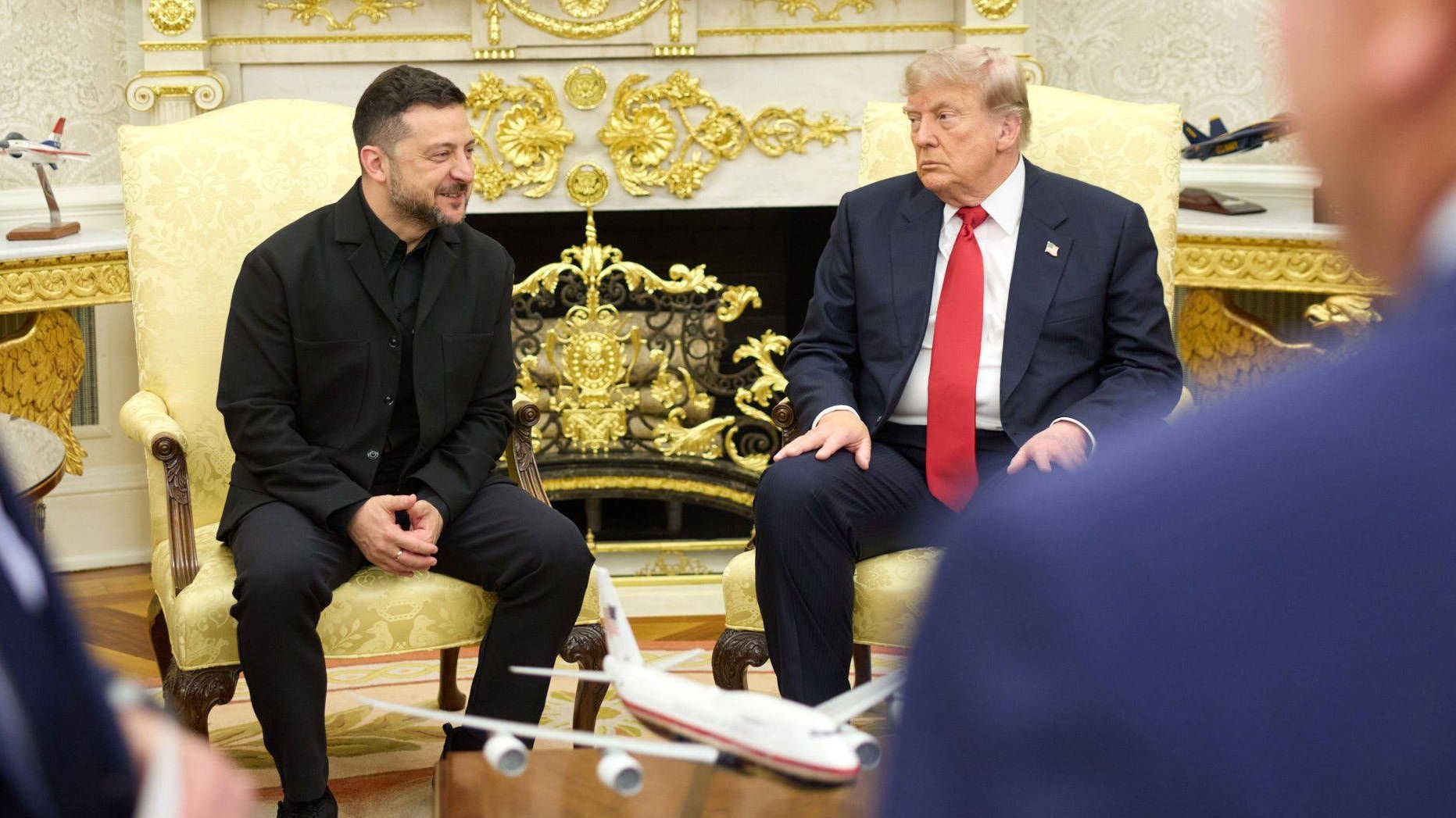
Ukrainian President Volodymyr Zelenskyy described his recent discussions with United States leadership as positive, marking a critical juncture in international diplomacy regarding the ongoing war. According to reporting from major news outlets, the diplomatic engagements in Washington involve high-level talks concerning defense assistance, strategic alignment, and potential legislative measures on Capitol Hill aimed at increasing economic and political pressure on Moscow.
The diplomatic push comes as lawmakers in the United States Congress pursue coordinated bipartisan strategies. US senators have reached an agreement on legislative frameworks designed to introduce expanded sanctions against the Russian Federation, targeting key financial and industrial sectors. These developments run parallel to ongoing discussions in European capitals regarding industrial capacity, defense production timelines, and sustained military supplies for Kyiv.
International observers note that the alignment between executive branch discussions and legislative packages in Washington reflects enduring bipartisan support for Ukraine. Analysts emphasize that while debates over funding mechanisms and strategic limitations continue in various Western legislatures, the core commitment to maintaining economic pressure on Moscow remains a central pillar of transatlantic policy.
Diplomatic Engagements in Washington
President Zelenskyy’s recent meetings in the United States capital included substantive exchanges with key political figures, focusing on immediate battlefield requirements and long-term security guarantees. According to verified reports, administration officials and visiting delegations reviewed the implementation of existing security packages and explored avenues for accelerating the delivery of critical air defense systems.
Concurrently, discussions on Capitol Hill highlighted the legislative branch’s active role in shaping foreign policy outcomes. Lawmakers from both major parties have worked to finalize statutory measures that would tighten restrictions on entities facilitating trade with Moscow. These legislative efforts aim to close existing loopholes in international trade and restrict access to global financial markets for key Russian industries.
Legislative Actions and Sanctions Framework
The emerging sanctions package coordinated by US senators represents a significant hardening of legislative posture. According to congressional sources, the proposed legislation targets secondary financial networks, energy exports, and specific defense-industrial supply chains that sustain military operations in Ukraine.
European partners are monitoring these legislative steps closely while addressing their own domestic industrial challenges. In Dublin, government officials have emphasized the ongoing necessity of maintaining and expanding domestic and European defense production capabilities to ensure a steady supply of military hardware to Ukraine without depleting regional stockpiles. Irish representatives have stressed that industrial readiness is vital for the long-term credibility of European security architecture.
Broader European and International Responses
The intersection of US legislative initiatives and European industrial policy underscores the complexity of supporting Ukraine through a protracted conflict. Governments across the European Union continue to coordinate sanctions enforcement, asset freezes, and humanitarian assistance programs. At the same time, defense ministries across the continent are reassessing procurement timelines to meet sustained demand.
Financial analysts and policy experts point out that the effectiveness of these combined measures depends heavily on rigorous enforcement and international cooperation. Closing circumvention routes through third-party nations remains a primary objective for enforcement agencies in both North America and Europe.
Next Steps in International Diplomacy
Further diplomatic milestones are anticipated as committee hearings and legislative votes approach in the United States Congress. Observers will monitor whether the newly agreed-upon sanctions framework secures swift floor votes and presidential signature. Meanwhile, international contact groups continue to coordinate logistical support ahead of upcoming multilateral defense summits.
Readers seeking official legislative updates and announcements regarding foreign policy measures can consult the United States Senate Committee on Foreign Relations or official government portals in Kyiv and Brussels for primary documentation and scheduled hearings. We welcome your perspectives on these developments—please share your thoughts and join the discussion in the comments section below.