Fragile Hope: US-Russia Talks on Ukraine Yield No Immediate Breakthrough, Despite Putin’s Reported Willingness to Negotiate
Recent, high-stakes discussions between representatives of the United States and Russia regarding the ongoing conflict in Ukraine have concluded without a definitive compromise, though signals suggest a potential, albeit tenuous, opening for peace negotiations.The talks, spearheaded by Jared Kushner and Tom Witkoff, involved a direct meeting with Russian President Vladimir Putin, raising both optimism and cautious skepticism within the international community.
This article provides a comprehensive overview of the current situation, analyzing the key takeaways from the negotiations, the challenges that remain, and the implications for the future of the conflict.
The Kremlin Meeting: A Glimmer of Possibility?
Former President Trump indicated that Kushner and Witkoff received the impression Putin is genuinely interested in ending the war. He characterized the situation as needing “two to tango,” acknowledging the complexities of reaching a resolution.
Though, the Kremlin offered a more reserved assessment. While denying a complete rejection of the US proposal, Russian officials emphasized that recent battlefield successes have strengthened their negotiating position. kremlin aide Yuri Ushakov stated the progress of negotiations was “influenced by the successes of the Russian army on the battlefield in recent weeks.”
Key points emerging from the Russian outlook:
* Battlefield Advantage: Russia believes its recent military gains provide leverage in negotiations.
* NATO Concerns: Ukraine’s potential ties to NATO remain a central point of contention.
* Continued Dialog: Russia maintains its willingness to continue talks, stating they are “ready to meet as many times as is needed to reach a peace settlement.”
Ukraine’s Response and the US Proposal
Ukraine has reportedly signaled a willingness to consider the US proposal, though President Zelenskyy expressed that this acceptance should have come sooner – referencing a previous, reportedly tense, meeting with Trump. Zelenskyy also stressed the importance of maintaining pressure on Russia alongside ongoing negotiations.
The specifics of the US proposal remain largely undisclosed, but european nations have reportedly been working to amend it, fearing it could force Ukraine into unfavorable concessions. The core concern is ensuring Ukraine isn’t compelled to surrender territory or compromise its sovereignty.
NATO’s Position: Support for Ukraine Remains Firm
NATO continues to reaffirm its commitment to supporting Ukraine, pledging hundreds of millions of dollars in arms purchases. NATO Secretary General Mark Rutte acknowledged the positive growth of peace talks but emphasized the need to bolster Ukraine’s defense capabilities.
This dual approach – pursuing diplomacy while strengthening Ukraine’s military – reflects a strategic balance aimed at creating a more favorable environment for negotiations.
The battlefield Reality: Russia’s Continued Offensive
Despite the diplomatic efforts,the situation on the ground remains grim for Ukraine. Russian forces are making incremental gains, especially in eastern Ukraine.
Recent developments include:
* Intense Fighting: Urban combat continues in key locations like Pokrovsk, despite Russian claims of capture.
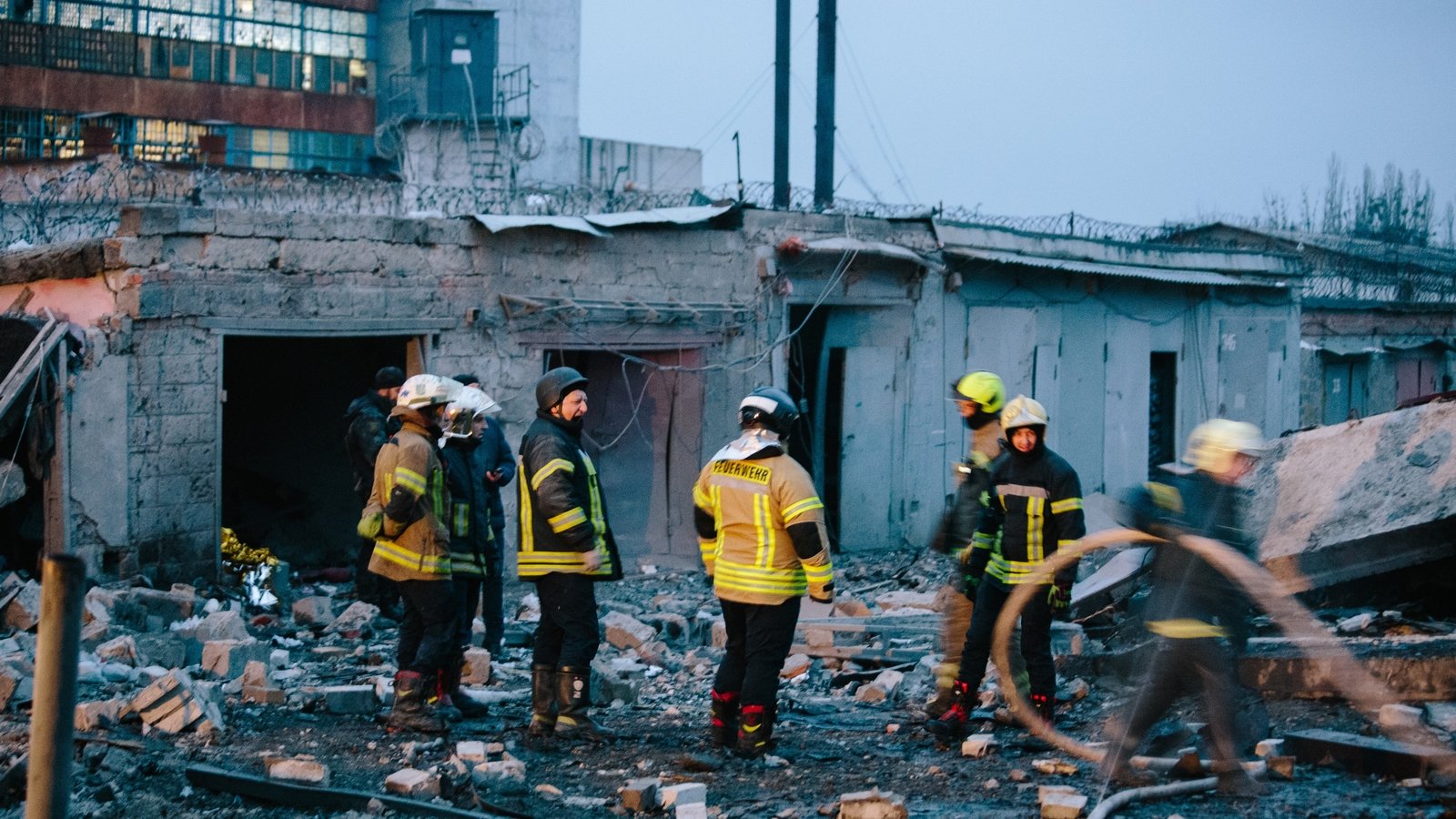
* Airstrikes: Russian airstrikes continue to target Ukrainian cities, causing civilian casualties and infrastructure damage (as evidenced by recent attacks in Sloviansk).
* Outgunned and Outnumbered Forces: Ukrainian forces are facing significant challenges due to a disparity in weaponry and manpower.
Analysis: A Delicate Balancing Act
The current situation represents a delicate balancing act. While the willingness of both Russia and Ukraine to engage in negotiations is a positive sign, significant obstacles remain. Russia’s insistence on leveraging battlefield gains and its concerns regarding NATO expansion pose major hurdles.
Moreover, the potential for a fractured Western response – with concerns about the US possibly negotiating a separate agreement – adds another layer of complexity.
Expert Insight: The success of these negotiations hinges on several factors: a unified Western front, a willingness from Russia to genuinely compromise, and a commitment from both sides to prioritize a sustainable peace over short-term gains. the current dynamic suggests a long and arduous path ahead, requiring sustained diplomatic effort and continued support for Ukraine.
Looking Ahead
Kushner and Witkoff are scheduled to meet with Ukraine’s chief negotiator, Rustem Umerov, in Florida to further discuss the Kremlin talks. This follow-up meeting will be crucial in gauging ukraine’s specific concerns and refining the US proposal.
The coming weeks will be critical in determining whether this fragile opening for peace can be translated into a meaningful dialogue and, ultimately, a resolution to the devastating conflict in Ukraine.
Further Reading:
*[Russiasaysnocompromisereachedinpeacetalks[Russiasaysnocompromisereachedinpeacetalks[Russiasaysnocompromisereachedinpeacetalks[Russiasaysnocompromisereachedinpeacetalks
Worth a look
- Bradley Blackburn Reviews the Viral Custom Movie Popcorn Buckets Driving Fans Crazy
- Oil Prices Drop as Tensions Ease in the Middle East
- Conservative Warns Against Moscow Propaganda and Ukraine Criticism (world-today-news.com)
- The Senate Blue Slip, Explained: The Custom Trump Wants Gone (daybreakwire.com)