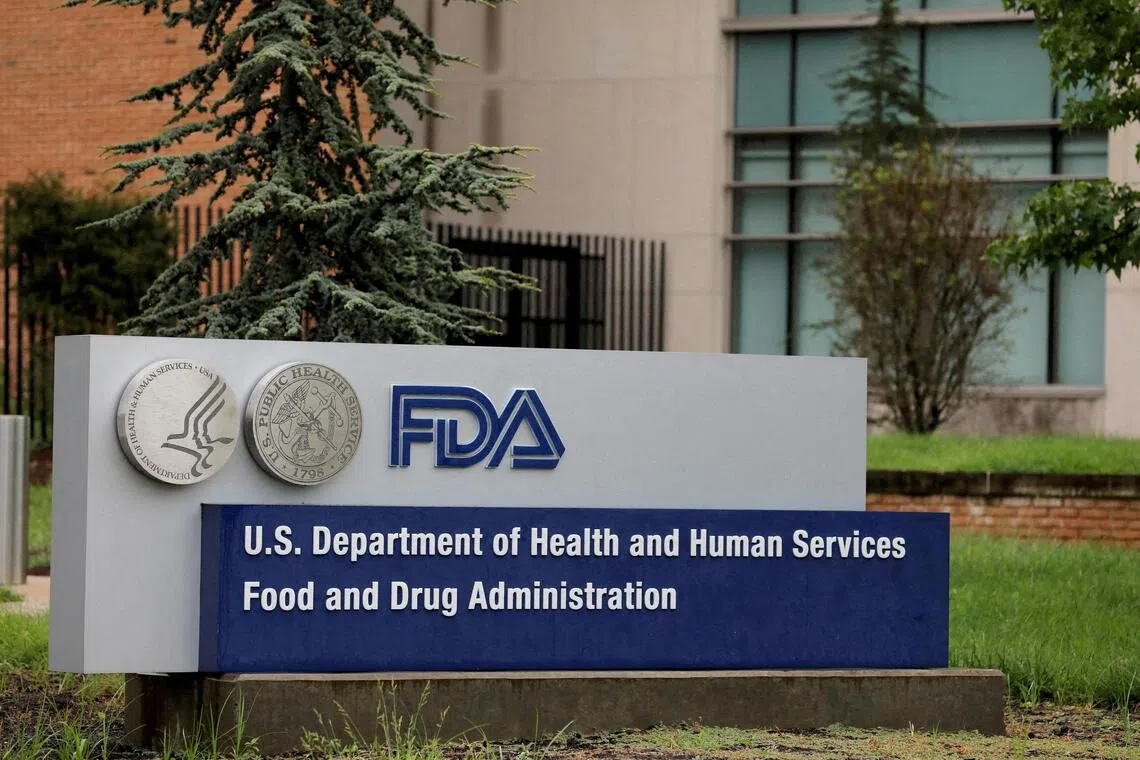
Former FDA Commissioners Raise alarm Over Proposed Vaccine Regulation changes
New York – A chorus of concern is echoing from within teh highest echelons of the US Food and Drug Administration’s past leadership. Twelve former FDA commissioners have publicly expressed deep reservations regarding proposed alterations to vaccine regulation spearheaded by Dr.Vinay Prasad, the agency’s chief medical and scientific officer. The controversy centers around Dr.Prasad’s assertion – delivered in a recent internal memo – that Covid-19 vaccines may have contributed to the deaths of at least ten children due to heart inflammation, coupled with plans to fundamentally shift how vaccine efficacy is evaluated.
The commissioners’ response, published in the New england Journal of medicine, isn’t merely a disagreement over scientific interpretation; it’s a stark warning about a potential erosion of the FDA’s globally respected scientific integrity.They argue that Dr. Prasad’s proposed changes represent a dramatic departure from established norms, based on a selective reinterpretation of evidence and a process lacking transparency.
The Core of the Dispute: Causation and Clinical Trials
At the heart of the matter lies Dr. Prasad’s claim regarding Covid-19 vaccine-related deaths. the memo, circulated to agency staff, offered limited detail on the analysis underpinning this assertion, prompting criticism for its lack of methodological clarity. The former commissioners specifically object to the retrospective judgment made without a clear explanation of the process or justification for rewriting existing vaccine regulations.
Beyond the specific claim of causation, Dr. Prasad’s proposed regulatory changes are equally contentious. He advocates for requiring vaccine manufacturers – including those producing annual flu shots – to demonstrate efficacy through randomized, placebo-controlled trials. currently, vaccine approval often relies on demonstrating a robust immune response triggered by the vaccine, a method widely accepted and utilized for decades.
This shift towards exclusively requiring randomized trials is viewed by many in the scientific community as impractical and, in some cases, unethical.Running placebo-controlled trials for vaccines against actively circulating diseases can be problematic, as it necessitates exposing a control group to the risk of infection.
A Divided Response and Political Context
The criticism isn’t falling on deaf ears within the current administration. Andrew Nixon, a spokesperson for the Department of Health and Human Services (HHS), defended the proposed changes, stating that the criticism from former FDA officials “confirms we are on the right track.” This response underscores the politically charged surroundings surrounding vaccine policy.
Dr. Prasad was appointed by Health Secretary Robert F. Kennedy Jr., a long-time and vocal critic of vaccines. Kennedy Jr. has consistently advocated for more rigorous vaccine testing, including placebo-based trials, and his appointment signals a clear intent to reshape US vaccine policy. The situation raises concerns about the influence of pre-existing biases on scientific decision-making within the FDA.
The commissioners who signed the statement represent a broad spectrum of political affiliations, having served under both Republican and Democratic presidents, including Scott Gottlieb and Brett Giroir, both commissioners during the Trump administration. This bipartisan condemnation lends significant weight to their concerns.
Implications for Public Health and Future Vaccine Advancement
The proposed changes have far-reaching implications. A move away from established methods of evaluating vaccine efficacy could:
* Slow down vaccine development: Requiring randomized trials for every vaccine iteration,including annual updates,would significantly lengthen the approval process,potentially hindering rapid responses to emerging threats.
* Increase vaccine costs: Randomized trials are significantly more expensive than immunogenicity studies, potentially driving up the cost of vaccines and limiting access.
* Undermine public trust: A perceived politicization of the FDA’s scientific process could erode public confidence in vaccine safety and efficacy.
* Set a dangerous precedent: Altering established regulatory pathways based on selective evidence could create uncertainty and instability in the pharmaceutical industry.
Dr. Prasad has not yet publicly responded to the concerns raised by the former commissioners. the coming weeks will be critical in determining the future of vaccine regulation in the United States and the potential impact on public health.
Evergreen Section: Understanding Vaccine Regulation & The Importance of Scientific Rigor
Vaccine regulation is a complex process designed to balance the need for rapid public health protection with the imperative of ensuring safety and efficacy. Historically, regulatory bodies like the FDA have relied on a combination of clinical trial data, immunogenicity studies (measuring the immune response), and post-market surveillance to assess vaccines.
The strength of this system lies in its adaptability and its reliance on established scientific principles. Immunogenicity studies,for example,are particularly valuable for vaccines targeting rapidly evolving viruses like influenza,where conducting large-scale efficacy trials for each annual iteration would be impractical.
Maintaining the integrity of this process requires transparency, rigorous
Keep reading