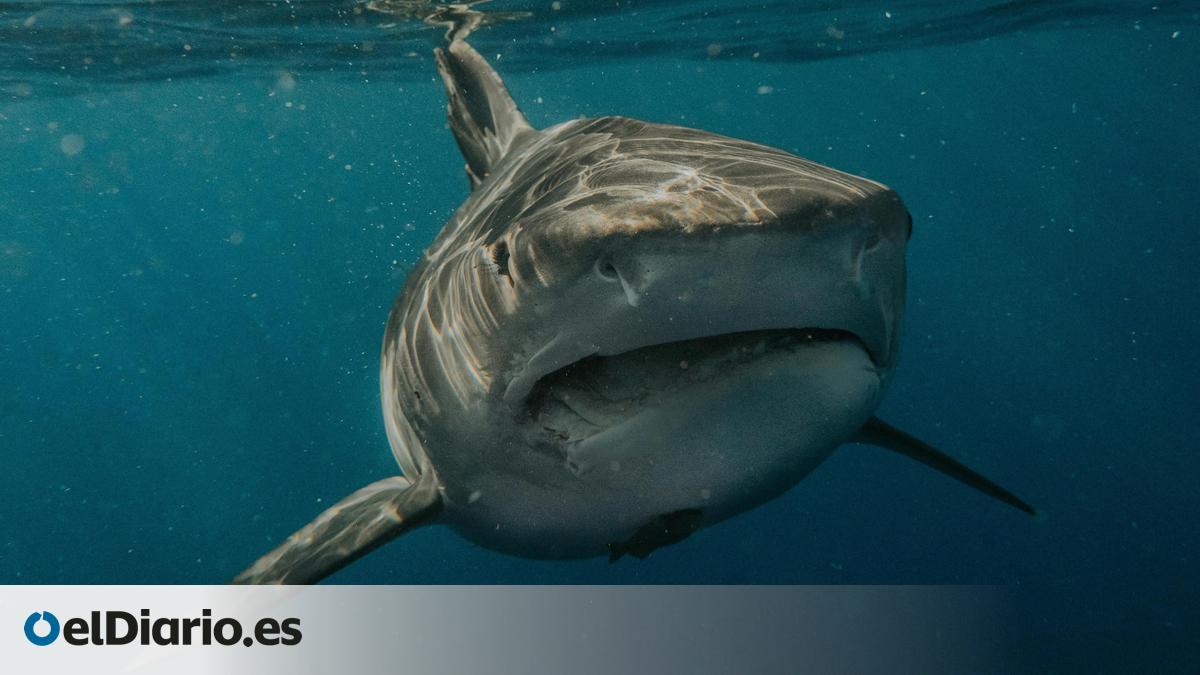
Shark attack statistics and marine animal behaviour studies continue to reveal that human encounters with sharks are statistically rare and rarely involve deliberate predation, according to recent data from marine researchers and safety agencies. While pop culture has long framed these predators as relentless hunters of people, scientists emphasize that most interactions stem from mistaken identity in murky coastal waters rather than active aggression.
According to the Florida Museum of Natural History’s International Shark Attack File, researchers investigated 105 interactions in 2025, documenting 65 unprovoked bites, 29 provoked incidents, and 12 fatalities, with nine deaths falling into the unprovoked category. Gregory Skomal, a senior fisheries scientist at the Massachusetts Division of Marine Fisheries and head of the Massachusetts Shark Research Program, notes that classic films capitalized on pre-existing societal fears and amplified them on the big screen.
Understanding Provoked Versus Unprovoked Encounters
The distinction between a provoked and an unprovoked bite hinges entirely on human conduct prior to the event. According to data compiled by researchers, a provoked interaction involves active physical contact initiated by a person, such as attempting to grab a shark for a photograph, pulling a hooked animal from the water, extracting biological samples during scientific fieldwork, or spear-fishing in close proximity. Skomal defines this straightforwardly by noting that active physical contact constitutes a provoked interaction, though grey areas can also include ignoring defensive posturing from an animal guarding its territory.
By contrast, unprovoked bites typically occur in shallow coastal zones where small fish, coastal shark species, and swimmers overlap. Species such as blacktip sharks and spinner sharks frequently inhabit waters where humans can easily stand, hunting in low-visibility environments. Under these murky conditions, a swimmer’s leg can momentarily mimic the visual silhouette of typical prey. Once the animal realizes the human is not its standard food source, the interaction usually ends immediately. Surfers and bodyboarders experience these incidents more frequently because the outline of a surfboard and the motion of splashing limbs resemble injured fish or marine mammals viewed from below.
Global Incident Distribution and Human Impact
Geographic distribution of shark bites varies widely depending on regional ocean populations and the volume of human recreation. The United States recorded 25 unprovoked bites in 2025, including 11 in Florida, while Australia logged 21 incidents resulting in five fatalities. Additional cases included five in the Bahamas and three in New Zealand. Forbes notes that Florida records high numbers of encounters simply due to its massive volume of beachgoers, whereas Australia registers a higher proportion of fatal outcomes owing to the presence of great white and tiger sharks in active surf zones.
This human risk remains minuscule when compared to the vast scale of commercial and recreational activity in the ocean. In 2024, global unprovoked bites dropped to 47—the lowest figure in nearly three decades—while human visits to the ocean easily surpassed one billion. In the United States, an individual’s odds of dying from a shark encounter stand at roughly one in 4.3 million, compared to a global probability of approximately one in 28 million. Simple precautions, such as avoiding dawn and dusk, staying out of murky water, steering clear of active fishing areas, and avoiding swimming alone, lower those odds even further.
Conversely, human impact on shark populations remains devastatingly high. Fisheries data show that approximately 100 million sharks die each year due to targeted finning, meat harvesting, and accidental bycatch. Populations of oceanic whitetips, hammerheads, and reef sharks have plummeted by 70% or more. Against that widespread ecological pressure, human injuries from sharks hover around 70 annually, with fatalities typically numbering between five and ten worldwide.
Improving Survival and Medical Response
When bites do occur, human survival depends heavily on controlling severe bleeding within the first critical minutes. Along the coast of Cape Cod, where recovering seal populations have drawn a growing number of white sharks, local authorities have updated safety infrastructure by installing prominent warning signage, deploying specialized Stop the Bleed kits, and streamlining emergency medical transit. Since 2012, the region has recorded only three bites, resulting in one fatality. Skomal underscores the value of such preparation, emphasizing that rapid hemorrhage control and swift transport to an ambulance dramatically improve medical outcomes.
Worth a look