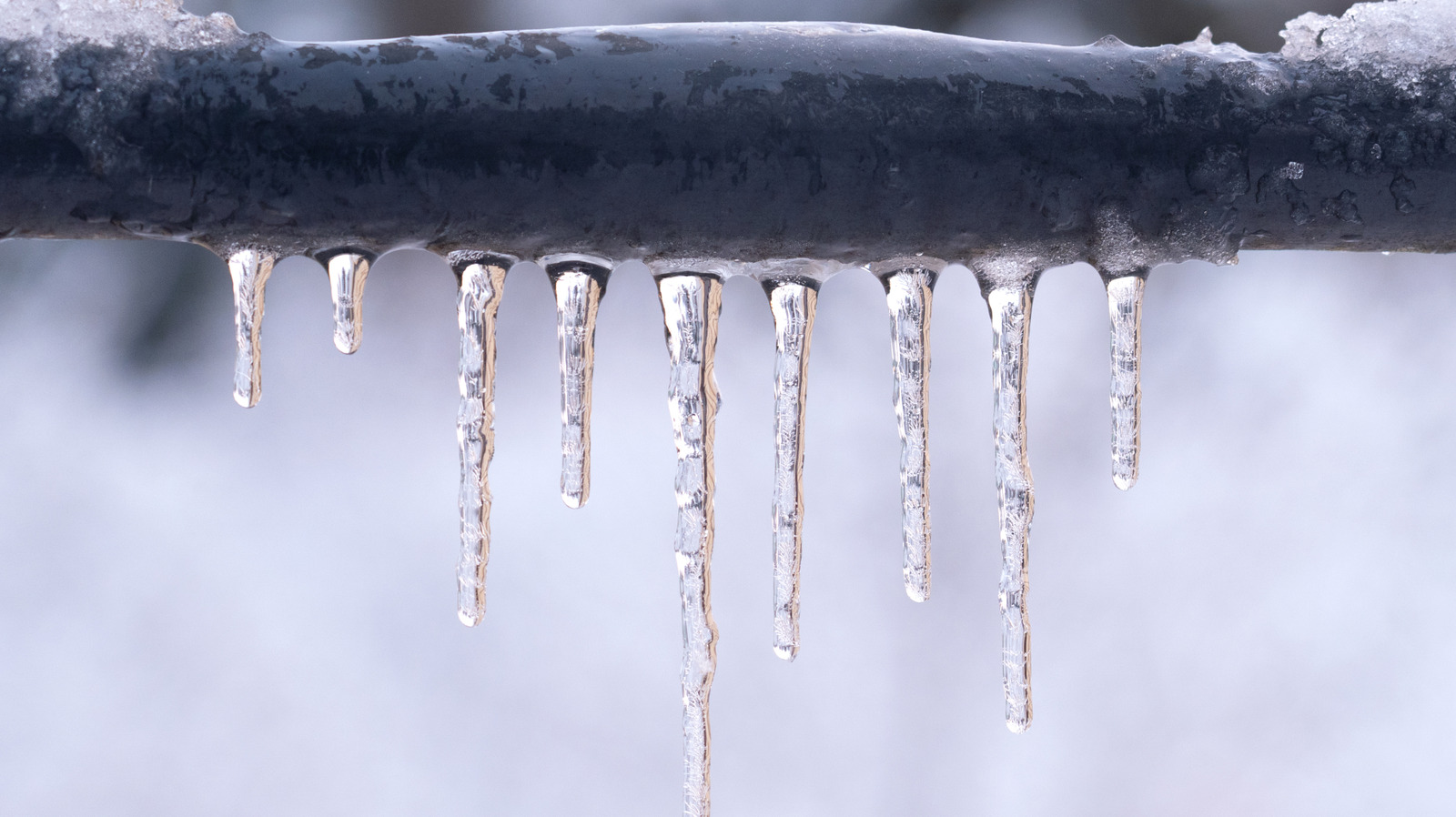
Protecting Your Home’s Plumbing This Winter: A Thorough Guide
Winter’s chill can be gorgeous, but it poses a notable threat to your home’s plumbing. Frozen pipes aren’t just an inconvenience; they can lead to costly repairs and extensive water damage. fortunately, with a little preparation, you can safeguard your pipes and enjoy peace of mind throughout the colder months.
Understanding the Risks
Water expands as it freezes. This expansion puts tremendous pressure on your pipes, perhaps causing them to crack, burst, or develop leaks. Certain pipes are more vulnerable than others. These include:
* Exterior pipes: these are directly exposed to the elements.
* Pipes in unheated areas: Basements, crawl spaces, attics, and garages are prime locations for freezing.
* Pipes against exterior walls: These lack the insulation of interior walls.
* pipes near doors and windows: Drafts can considerably lower temperatures around these pipes.
Winterizing a Seasonal Home
If you own a vacation home or a property you don’t occupy during the winter, thorough winterization is crucial. Here’s a step-by-step approach:
- Shut off the water main. This is your first line of defense.
- Open all faucets. Allow water to drain completely.
- Flush all toilets. Ensure all water is removed from the tanks and bowls.
- drain the water heater. Consult your owner’s manual for specific instructions.
- Consider adding RV antifreeze. Pour it into toilet bowls, sink traps, and other drains to prevent freezing and odor buildup.
Protecting Pipes in a year-Round residence
You don’t need to completely drain your system if you live in your home year-round,but proactive measures are still essential.
* Inspect and repair seals. Check around pipes where they enter and exit your home. Seal any gaps or cracks to prevent cold air infiltration.
* Insulate exposed pipes. Pipe insulation sleeves are inexpensive and easy to install. Focus on pipes in unheated areas.
* Disconnect and drain garden hoses. Retained water in hoses will freeze and damage the exterior faucet.
* utilize shut-off valves. Isolate exterior pipes with dedicated shut-off valves for easy draining.
* Allow faucets to drip. During extremely cold spells, let a slight drip of water run from faucets connected to vulnerable pipes.Moving water is less likely to freeze.
* Open cabinet doors. Allow warm air to circulate around pipes under sinks and in exterior walls.
Beyond Plumbing: A Holistic approach to Winter Prep
Preparing for winter extends beyond just your plumbing. A comprehensive approach includes:
* Checking your heating system. Ensure it’s functioning efficiently.
* Sealing windows and doors. Prevent drafts and heat loss.
* Stocking up on emergency supplies. Include flashlights, batteries, and a backup heat source.
* Knowing your shut-off valves. Familiarize yourself with the location of all water shut-off valves in your home.
Taking the time to winterize your plumbing is an investment in the long-term health of your home. It’s a simple process that can save you significant time, money, and stress. Don’t wait until a pipe bursts – prepare now and enjoy a worry-free winter.
Worth a look