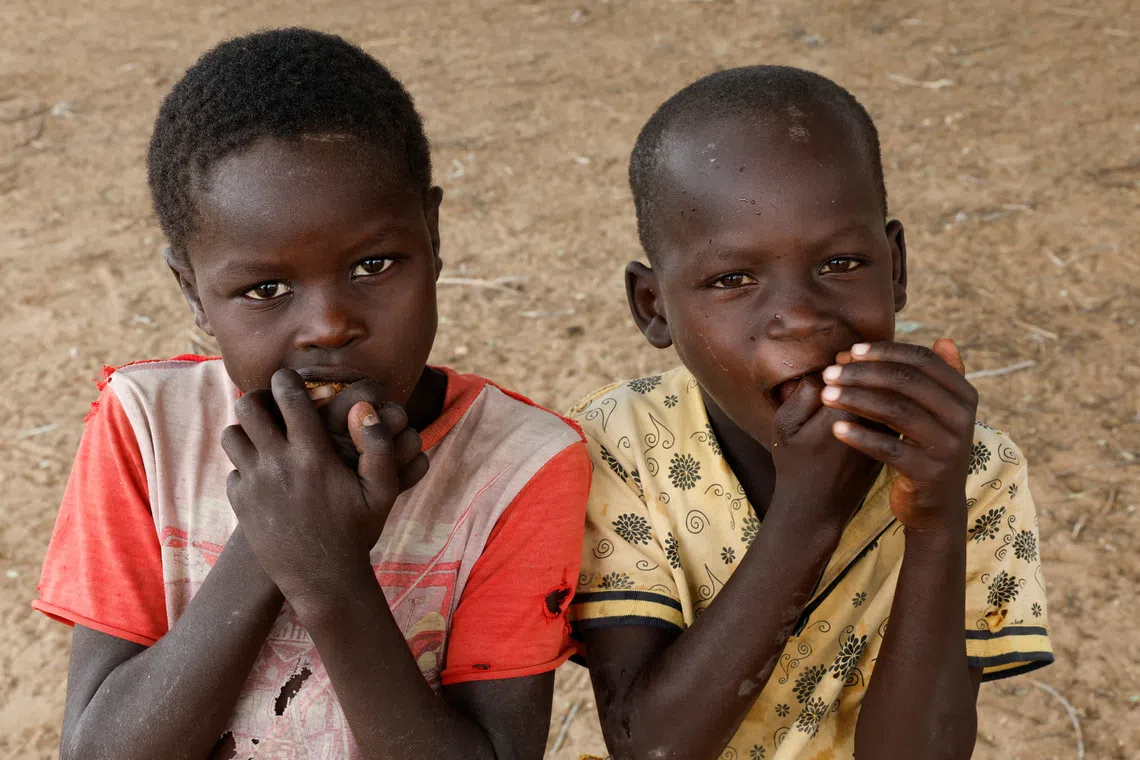
Global Nutrition Programs face Critical Funding Shortfalls, Threatening Millions
A concerning trend is unfolding across global nutrition programs: significant funding cuts are leading to dwindling resources, program suspensions, and a growing risk of malnutrition, notably in vulnerable regions like teh Horn of Africa. This isn’t a future threat; the impact is being felt now, with devastating consequences for communities already facing immense challenges.
this analysis, drawing from recent reports and on-the-ground accounts, details the scope of the crisis and explores the factors contributing to this alarming situation.
The Scale of the Problem: A Rapidly Deteriorating Situation
Recent data paints a stark picture. Here’s a breakdown of the key issues:
* Reduced Screening Capacity: Mass malnutrition screening programs in kenya have plummeted from covering 75% of hotspots in 2023 to less than 15% as of August.This drastically limits early detection and intervention.
* Program Terminations: Organizations like Mercy Corps have been forced to terminate 42 programs supporting communities grappling with food insecurity, water scarcity, and acute malnutrition in countries including Congo, Nigeria, Somalia, and Sudan.
* Funding Plunge: The World Food Programme (WFP) faces a projected 40% funding decrease, dropping from $9.8 billion in 2024 to $6.4 billion in 2025.
* Ration Cuts & Suspensions: In Kenya, WFP was forced to slash food rations and suspend cash transfers to over 700,000 refugees due to a 30% drop in anticipated contributions.
* Treatment Interruptions: Supplemental feeding programs for children with moderate acute malnutrition have been suspended in seven out of ten counties, leaving tens of thousands of children without critical support.
These aren’t isolated incidents. They represent a systemic failure to adequately fund essential nutrition interventions.
Why is This Happening? The Root Causes of the Crisis
Several factors are converging to create this crisis. While geopolitical events and economic pressures play a role, a significant driver is a reduction in funding from key donors.
* U.S. Funding Decline: While the U.S. remains the largest funder of global nutrition programs, contributions have fallen sharply. 2024 contributions are just under $263 million, a significant decrease from the $991 million provided in 2023.
* Supply Chain Disruptions: Temporary stockouts of Ready-to-Use Therapeutic Food (RUTF) - a crucial treatment for severe acute malnutrition – have occurred due to challenges with transport, forecasting, and the use of supplies in outreach campaigns.
* Competing Priorities: Increased demands for humanitarian aid in multiple global crises are stretching resources thin, forcing donors to make difficult choices.
* Bureaucratic Delays: Administrative hurdles and delays in funding disbursement can hinder the timely delivery of aid. For example, a State Department decision to halt funding for a northern Kenya malnutrition program impacting 600,000 households was announced in November.
The Human Cost: Stories from the Front Lines
The statistics are alarming, but they don’t fully capture the human toll. The situation at the Kangatosa clinic in Kenya exemplifies the crisis.
After months without supplies,the clinic received a small shipment of peanut paste – a key ingredient in RUTF – in November. This allowed children like Etiman’s son to resume treatment. However, Etiman’s son had already lost over 10% of his body weight after a bout of malaria during the treatment interruption, highlighting the devastating consequences of delayed care. As of November 21st, he weighed just 9.9 kg.
These stories are repeated across the region,illustrating the urgent need for action.
What’s Being Done & What Needs to Happen
While the situation is dire, efforts are underway to mitigate the impact.
* UNICEF’s Role: UNICEF is working to secure RUTF supplies, with a significant portion of a recent $5 million U.S. grant earmarked for Kenya. Thier pipeline is projected to last until june,but this is a short-term solution.
* Advocacy & Awareness: Raising awareness about the funding crisis and advocating for increased donor contributions are crucial.
* Strengthening Supply Chains: Improving forecasting, transportation, and local sourcing of RUTF can definitely help prevent future stockouts.
* Long-Term Solutions: Addressing the underlying drivers