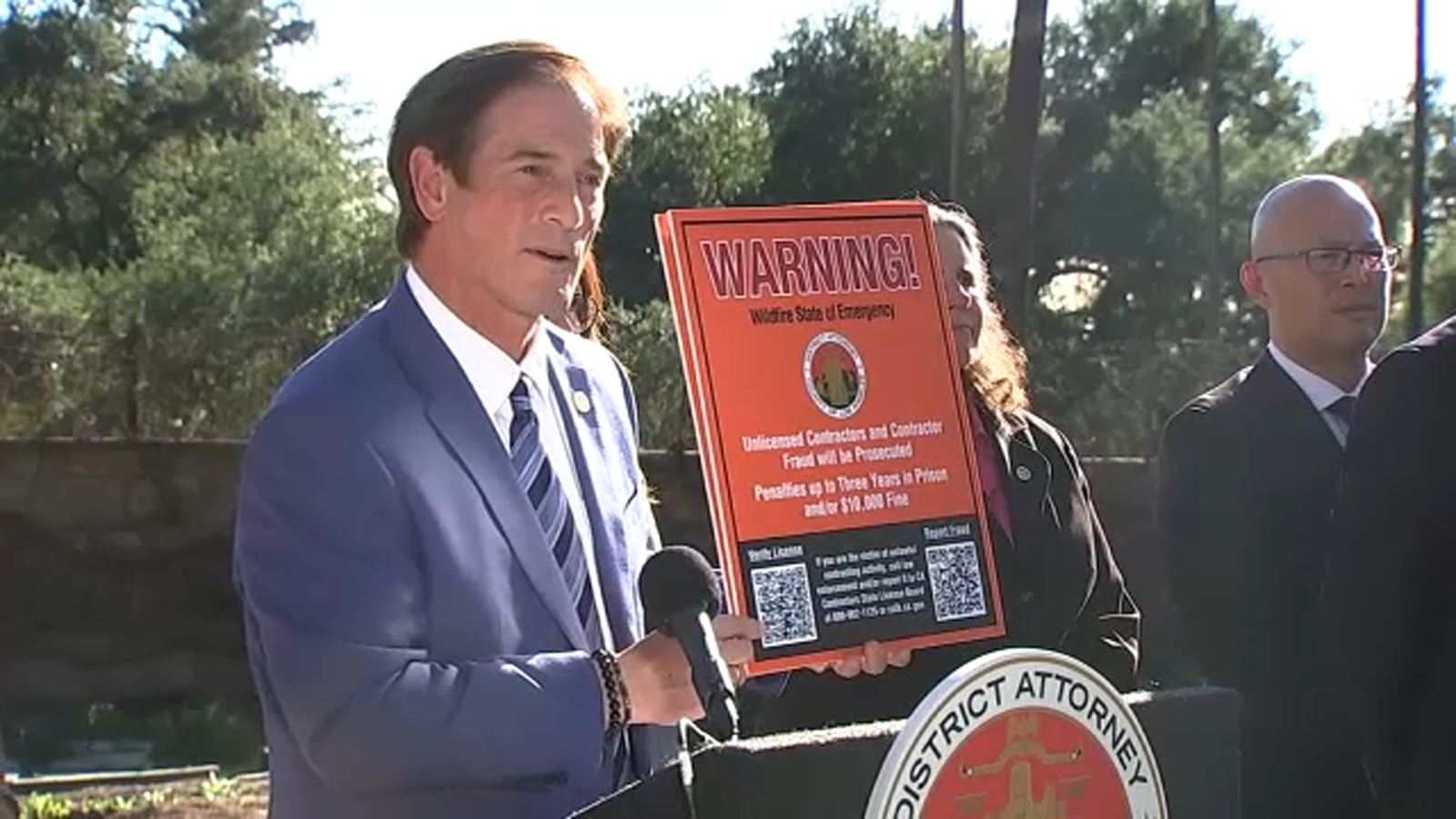
Protecting Your Property: Navigating Unlicensed Contractors After the Eaton Fire & Beyond
The aftermath of a natural disaster like the Eaton Fire presents unique challenges for homeowners. Among these, the risk of falling victim to fraudulent or incompetent unlicensed contractors is critically important. Los Angeles County officials are actively addressing this issue, recently filing charges against five individuals accused of operating as unlicensed contractors within the fire-affected zone. This article provides crucial information to protect you and your property during the rebuilding process.
The Growing Threat of Unlicensed Contracting
Following disasters, opportunistic individuals often attempt to capitalize on vulnerability. These unlicensed contractors may offer fast fixes or low prices, but the potential consequences far outweigh any initial savings. District Attorney Nathan Hochman emphasized the proactive measures being taken to combat this issue, highlighting a recent operation that caught these individuals actively marketing their services illegally.
Why Hiring Licensed Contractors Matters
Choosing a licensed contractor isn’t simply about adhering to the law; it’s about safeguarding your financial investment and ensuring the safety of your home. Here’s a breakdown of the risks associated with unlicensed contractors:
* Financial Loss: You could pay a large sum upfront with no guarantee of completed or quality work.
* Liability Concerns: If an unlicensed contractor is uninsured and someone is injured on your property, you, as the homeowner, could be held liable.
* Substandard Work: Work not performed to code can lead to costly repairs and potential safety hazards down the line.
* Difficulty recovering Losses: Recovering funds or seeking recourse is considerably more challenging when dealing with an unlicensed operator.
Supervisor Kathryn Barger underscored the county’s commitment to assisting fire survivors, noting the advancement of a resource list of licensed contractors currently working in the Eaton Fire burn area.
California Law & Unlicensed Contracting
California law strictly regulates contracting work. Specifically, operating as an unlicensed contractor is illegal in several situations. It’s considered a misdemeanor if:
* A building permit is required for the job.
* the combined cost of labor and materials exceeds $1,000.
* The contractor fails to disclose they are not licensed.
The individuals recently charged in Los Angeles County face felony charges due to operating in a declared disaster zone, demonstrating the seriousness with which authorities are treating these offenses. Three have already pleaded not guilty, with arraignments for the remaining two scheduled in January.
How to Verify a Contractor’s License
Protecting yourself is straightforward. Before hiring anyone for rebuilding or repair work, always verify their license status. You can easily do this through the California State License Board (CSLB) website: https://cslb.ca.gov/.
Here’s what you can do on the CSLB website:
* License Verification: Confirm a contractor’s license is active and in good standing.
* License History: review the contractor’s license history, including any disciplinary actions.
* complaint Check: See if any complaints have been filed against the contractor.
Reporting Fraudulent Activity
If you suspect fraudulent activity or have been victimized by an unlicensed contractor, report it promptly. The Los Angeles County District Attorney’s Office encourages the public to come forward with any information. Reporting helps protect others and holds perpetrators accountable.
Evergreen Section: Long-Term Disaster Recovery & Contractor selection
Disaster recovery is a marathon, not a sprint. Beyond the immediate aftermath of a fire or other natural disaster, careful planning and diligent contractor selection are essential for a successful rebuild. remember these key principles:
* Obtain Multiple Bids: Get quotes from at least three licensed contractors to compare pricing and scope of work.
* Detailed Contracts: Ensure your contract clearly outlines the project’s scope, timeline, payment schedule, and warranty information.
* Insurance Verification: Confirm the contractor carries both liability and workers’ compensation insurance.
* Permitting Responsibility: Clarify who is responsible for obtaining necessary building permits.
* Payment Structure: avoid large upfront payments. A reasonable deposit is acceptable, but tie final payments to completed work and inspections.
Investing the time to thoroughly vet contractors upfront will save you significant headaches – and potentially substantial costs – in the long run.
FAQ:
Related reading