The Return of the Draft: How Europe is Responding to a New Era of Security Concerns
The security landscape in Europe has undergone a dramatic shift since Russia’s invasion of Ukraine. This has sparked a continent-wide reassessment of defense strategies, and a notable trend is emerging: a renewed interest in conscription and bolstering national reserve forces. But the picture isn’t uniform. The willingness to reinstate or expand mandatory military service is heavily influenced by geographical proximity to Russia and prevailing public sentiment.
Eastern Europe Leads the Way
Several nations on NATO’s eastern flank have already taken concrete steps. Finland, having joined NATO in 2023 alongside Sweden, notably never abandoned conscription after the Cold War. All 18-year-old men serve between six and twelve months, forming a robust reserve force of up to 280,000 trained personnel.
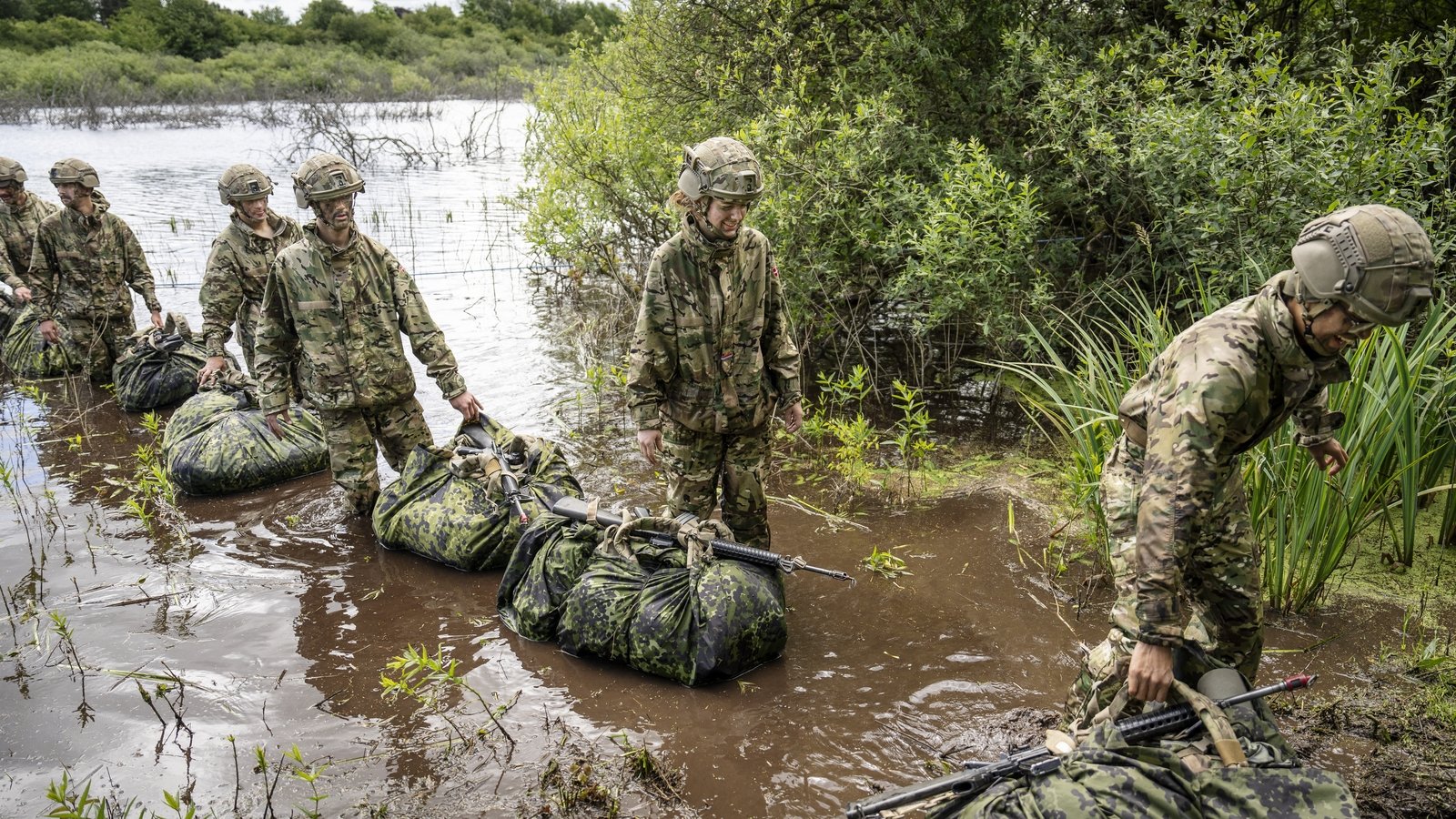
Denmark recently extended its draft to include women, with 18-year-olds serving up to 11 months alongside their male counterparts. Latvia, after a 16-year pause, reintroduced conscription for young men in 2023 and is considering extending it to women by 2028.
Estonia, independent since 1991, has consistently maintained conscription, requiring 11 months of service for all 18-26 year old men.Interestingly,many Estonian conscripts view their service not as a burden,but as a vital national duty,contributing to a 40,000-strong reserve.
Beyond Mandatory Service: Poland’s Innovative Approach
Poland, having ended conscription in 2008, is taking a different tack. Prime Minister donald Tusk announced plans to build a 500,000-strong force, including reservists, through a voluntary military training program.
This program, launched last month, offers citizens the opportunity to participate in training ranging from one to 30 days, covering essential skills like basic military tactics, survival techniques, and first aid. The government aims to train 100,000 people by 2027. Public support for a full return to conscription is divided, with recent polls showing between 40-59% approval.
Western and Southern Europe: A More Cautious Stance
further west and south, the appetite for conscription is considerably lower. The United Kingdom,a nuclear power,has no plans to reinstate mandatory service,despite a brief proposal for voluntary national service that failed to gain traction.
Ireland and Malta, both militarily neutral, have no history of conscription and are unlikely to adopt it. Italy and Spain, while maintaining professional armies, are exploring voluntary service models similar to those emerging in France and Germany.
A Clear Correlation
The trend is undeniable: the closer a nation is to Russia, the more likely it is to strengthen its military preparedness through conscription or expanded reserve forces. This reflects a heightened sense of vulnerability and a proactive approach to national security.
The Evolving Landscape of European Defense
This shift isn’t simply about numbers. It’s about fostering a “citizen soldier” mentality – a population prepared to defend its values and territory. The debate surrounding conscription highlights a fundamental question facing Europe: how to balance individual liberties with collective security in an increasingly uncertain world.
The coming years will likely see further adjustments as nations continue to adapt to the evolving geopolitical realities and determine the best path forward for their defense strategies.
- How to Prevent Car Key Signal Relay Theft: Protect Your Vehicle from Keyless Entry Hacks
- VOTATU Tactical Optics, Laser Sights & Weapon Accessories
- Russian Strikes Kill Dozens in Ukraine; Poland Scrambles Fighter Jets (world-today-news.com)
- Russian Missile Strikes Kill at Least 8 Across Ukraine Including Kyiv, Lviv and Kryvyi Rih (time.news)