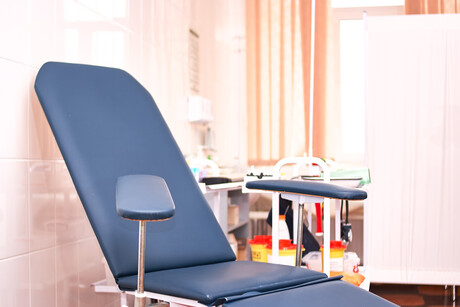
Aged Care Equipment Failures: A $230,000 Fine Highlights Critical Safety lapses
The vulnerability of aged care residents demands unwavering commitment to safety. A recent case involving Benalla Health in Victoria, Australia, underscores this point with stark clarity. the hospital was fined $230,000 following the tragic death of a 93-year-old resident a week after a faulty reclining chair contributed to her injuries. This incident isn’t just a legal matter; its a critical wake-up call for all healthcare providers regarding aged care equipment maintenance and resident safety protocols. But what exactly went wrong, and what preventative measures can be implemented to avoid similar tragedies?
The Incident: A Chain of Failures
In October 2021, at the Morrie Evans Aged Care facility, a resident suffered fractures to her ribs and spine when the back of her reclining chair detached during a routine repositioning by staff following a family visit.While the initial fall caused notable injury, a subsequent chest infection proved fatal a week later. A WorkSafe Victoria inquiry revealed a systemic failure in Benalla Health’s approach to equipment safety. Specifically, the investigation found a lack of a robust system for regularly assessing the functionality of chairs used for resident transport, scheduling preventative maintenance, and implementing a clear tagging system to indicate equipment status.
This case highlights a crucial point: patient handling equipment isn’t simply furniture; it’s a medical device requiring diligent oversight.the incident wasn’t a one-off accident, but a consequence of neglected maintenance procedures and a potential lack of adequate staff training.
Why is Aged Care Equipment Safety So Critical?
The aging population is growing rapidly. According to the Australian Institute of Health and Welfare (AIHW), in 2023, there were 4.8 million australians aged 65 years and over,representing 18.8% of the total population. https://www.aihw.gov.au/reports/older-people/older-people-in-australia/contents This demographic shift places increasing pressure on aged care facilities,and with it,a heightened obligation to ensure resident wellbeing.
Older adults are inherently more vulnerable to injury due to factors like:
* Reduced Bone Density: Increasing the risk of fractures.
* Slower Reflexes: Making them less able to prevent falls.
* Underlying Health Conditions: Which can complicate recovery.
* Medication Regimes: Which can impact balance and coordination.
Therefore, even seemingly minor equipment failures can have devastating consequences.Beyond physical harm, incidents like these can erode trust in care providers and negatively impact residents’ quality of life.
Beyond the Fine: Lessons for Healthcare Providers
The $230,000 fine levied against Benalla Health serves as a powerful deterrent, but true progress requires a proactive, preventative approach. WorkSafe victoria’s recommendations provide a solid foundation for improving aged care safety standards:
- Comprehensive Equipment Assessments: Implement a system to inspect and review all equipment – including wheelchairs, recliners, and lifting devices – to ensure it meets the individual needs of each resident. This isn’t a one-time check; it requires ongoing evaluation as residents’ conditions change.
- Regular Maintenance & Inspection: Establish a schedule for routine maintenance and inspection of all equipment. This should include checks on:
* Fabric and structural integrity
* Tire pressure and wear (for wheelchairs)
* Brake functionality
* Control mechanisms
* Charging points and battery condition (for powered equipment)
- Prompt Repair of Safety Issues: Address any identified safety concerns immediately. Don’t wait for a scheduled maintenance cycle if a problem poses an immediate risk.
- Safe Movement Procedures: Develop clear procedures for the safe movement of residents and their equipment. This includes training staff on proper lifting techniques and navigating obstacles like slopes and ramps.
- Staff Training & Competency: Provide comprehensive training to all staff on the proper use, maintenance, and inspection of mobility aids. This training should be regularly updated to reflect changes in equipment or procedures.
Step-by-Step: Implementing a Robust Equipment Safety Program
Here’s a practical guide to building a comprehensive equipment safety program:
* Step 1: Inventory & Risk Assessment: Create a detailed inventory of all equipment used for resident care. Conduct a risk assessment for each item, identifying potential hazards.