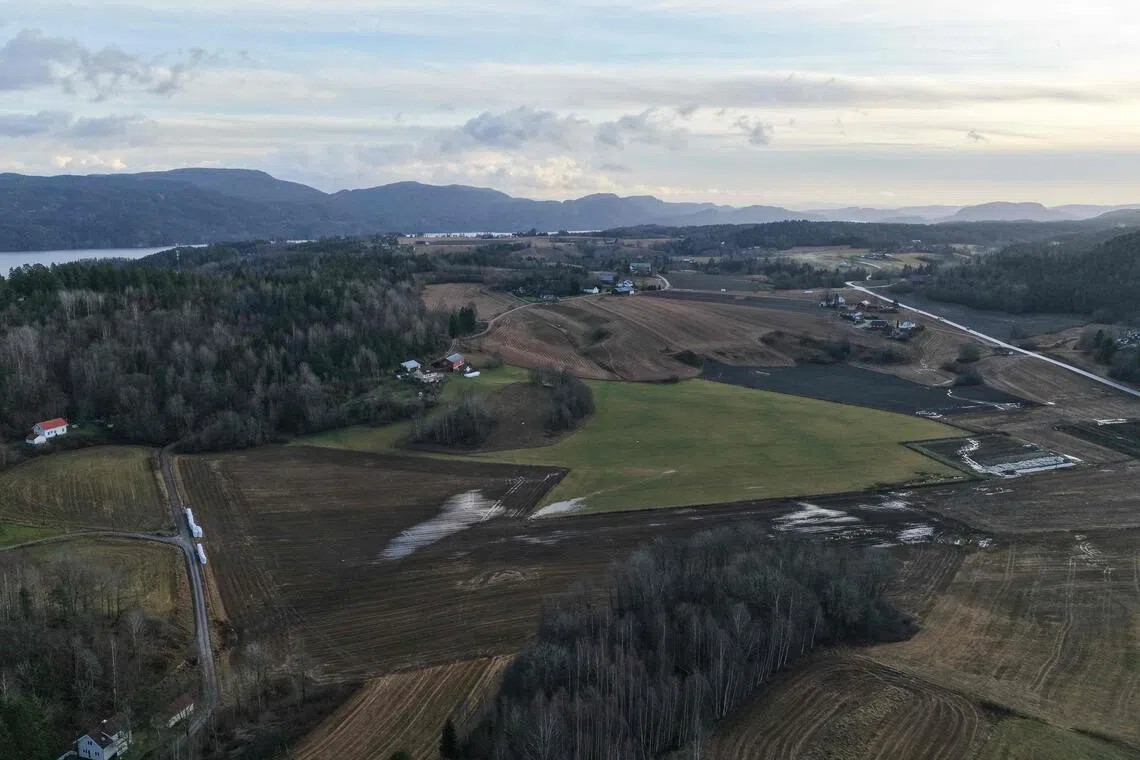
Norway’s Balancing Act: Mining for the Future, Protecting its Nature
The small Norwegian town of Ulefoss is at a crossroads. A proposed mine, intended to supply critical minerals for the green energy transition, is sparking a heated debate – one that encapsulates a global challenge: how do you accelerate the shift to sustainable technologies without replicating the environmental damage caused by existing supply chains? This article dives into the complexities of this situation, exploring the economic pressures, environmental concerns, and the arduous choices facing this community.
The Promise of Critical Minerals
Norway, like many nations, is recognizing the urgent need for materials like phosphate, essential for batteries powering electric vehicles and storing renewable energy. Currently,much of this supply originates in China,raising concerns about geopolitical dependence and often,less stringent environmental standards. The Ulefoss mine aims to offer a more localized, perhaps more sustainable source. As Martin Molvaer, an advisor at the Norwegian tech-focused environmental NGO Bellona, points out, the goal is to “bypass polluting value chains originating in China.”
However, this ambition isn’t without notable hurdles.
Environmental Concerns and a “Rush Slowly” Approach
The initial plans for the mine faced immediate backlash from environmental groups. The proposed location threatened a valuable natural area, raising fears about habitat loss and disruption to local ecosystems. Bellona’s Molvaer eloquently summarized the dilemma: “But things should not move so quickly that we destroy a large part of nature in the process: we must therefore rush slowly.”
This prompted the municipality to reassess the project, seeking alternative locations for the above-ground mining infrastructure. While a less environmentally sensitive zone exists, it’s unpopular with both developers and residents.This highlights a common tension: the desire for progress versus the preservation of natural heritage.
A Town in Need of Revitalization
The economic realities of Ulefoss are a crucial part of this story.For decades, the town has struggled with declining population and limited job opportunities. Mayor Linda Thorstensen acknowledges the unavoidable environmental impact, stating, “We accept that we will have to sacrifice a significant part of our nature… It comes down to choosing the lesser of two evils.”
This isn’t simply about environmental trade-offs; it’s about survival. Thorstensen emphasizes the need for jobs and opportunities,noting that many residents rely on social welfare or disability pensions. The mine is viewed as “a new adventure” – a potential lifeline for a community facing stagnation.
Local Perspectives: Hope and Hesitation
The sentiment in Ulefoss is cautiously optimistic. Locals recognise the potential benefits – increased wealth, more residents, and a revitalized economy. Inger Norendal, a 70-year-old retired teacher, expressed this hope, stating, “We want a dynamic that makes it possible for us to become wealthy, so that the community benefits. We need money and more residents.”
However, this optimism is tempered by a clear understanding of the potential downsides. Norendal succinctly adds, “But mining obviously has its downsides too.”
Key Takeaways & The Bigger Picture
The Ulefoss mine represents a microcosm of the challenges facing the global transition to a green economy. Here’s what you need to understand:
* demand for Critical Minerals is Soaring: The shift to electric vehicles, renewable energy storage, and other green technologies is driving unprecedented demand for minerals like phosphate.
* Supply Chain Vulnerabilities: Current supply chains are heavily concentrated in a few countries, creating geopolitical risks and potential environmental concerns.
* The Environmental Impact of Mining: All mining operations have environmental consequences. The key is to minimize these impacts through careful planning, responsible practices, and robust environmental monitoring.
* Local Economic Benefits vs. Environmental Costs: Communities often face difficult choices between economic development and environmental protection. Transparent dialogue and inclusive decision-making are essential.
* Sustainable Mining is Possible: Innovation in mining technologies, coupled with stringent environmental regulations, can help mitigate the negative impacts of resource extraction.
the situation in Ulefoss isn’t unique. As the world races to secure the materials needed for a sustainable future, similar debates will unfold in communities around the globe. Successfully navigating these challenges will require a commitment to responsible sourcing, environmental stewardship, and a willingness to prioritize long-term sustainability over short-term gains.
Further resources:
*
Worth a look