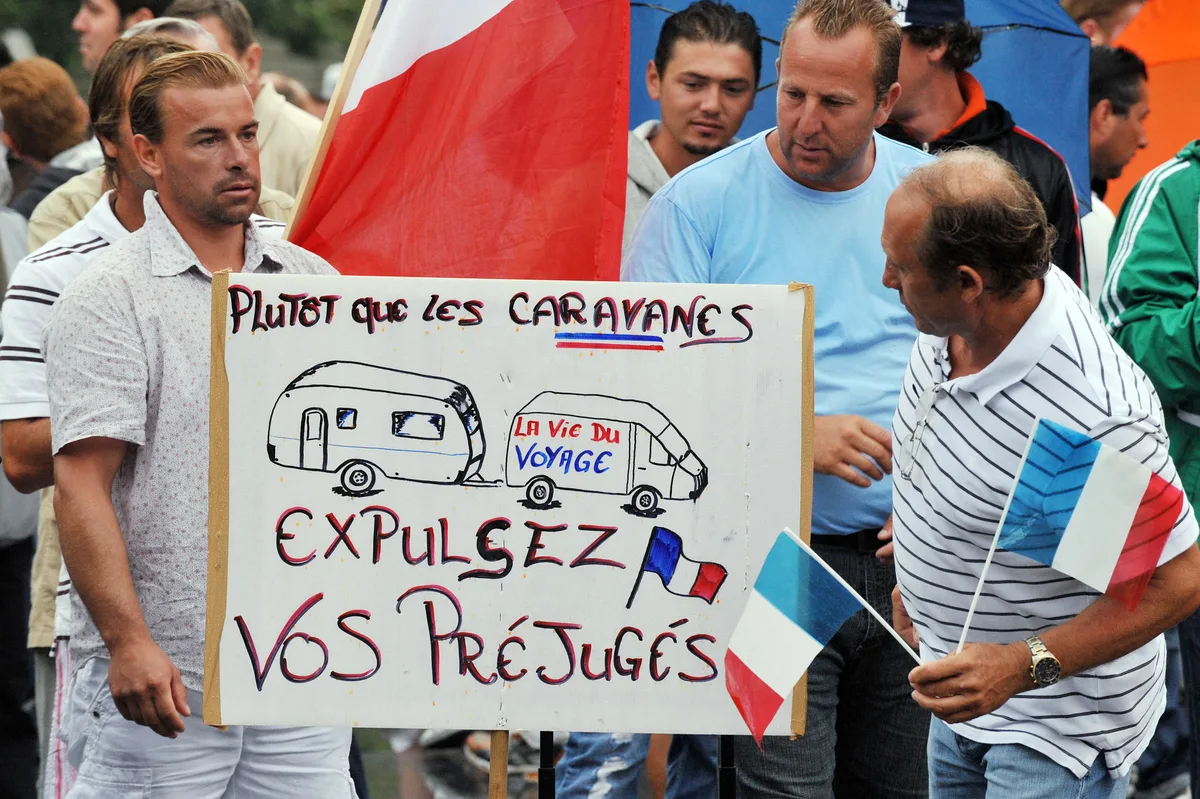
The movement to recognize Catalan rumba under UNESCO’s intangible cultural heritage umbrella has focused international attention on a sharp cultural paradox in France, where vibrant musical traditions flourish even as Romani and Traveller communities face deep-seated institutional hurdles on the road. Catalan rumba, a high-energy genre born from the fusion of Catalan rumba traditions, flamenco, and Cuban rhythms, serves as a vital cultural touchstone for communities across the Mediterranean basin. Yet as advocates push for global recognition of this artistic heritage, scholars and human rights monitors point to a persistent disconnect between the celebration of Romani-derived culture in concert halls and the systemic marginalization faced by travelers in daily life.
Cultural preservation organizations and community leaders have advanced the UNESCO candidacy to honor the historical depth and social impact of Catalan rumba. The genre, deeply rooted in regions spanning northeastern Spain and southern France, represents a bridge across borders and a testament to artistic resilience. According to cultural heritage researchers, securing international recognition helps validate the historical contributions of Romani artists who shaped the soundscape of southern Europe. Festivals celebrating the genre regularly draw large crowds, highlighting an immense public appetite for the music and its energetic performance style.
Despite this widespread artistic appreciation, human rights organizations emphasize that French policy and public infrastructure often fail to accommodate the nomadic or semi-nomadic lifestyles traditionally associated with many Traveller and Romani groups. Municipal authorities across various departments frequently struggle to provide adequate, legally mandated stopping areas, known locally as aires d’accueil, leaving families to navigate precarious parking situations and constant eviction threats. Civil rights advocates argue that celebrating a culture’s artistic output while simultaneously penalizing its traditional way of life exposes a profound social contradiction.
The Cultural Significance of Catalan Rumba
Catalan rumba developed largely through cross-cultural exchanges in mid-20th-century neighborhoods, blending the syncopated rhythms of Cuban rumba with the expressive guitar techniques of Catalan gitano communities. Icons of the genre popularized an infectious style defined by the ventilador technique—using the body of the acoustic guitar for percussion—alongside call-and-response vocals. Musicologists note that the genre’s inclusive nature invites participation, making it a powerful vehicle for community cohesion and intergenerational storytelling.
In southern France, particularly in departments bordering Catalonia, the music remains a living tradition passed down within families and neighborhood circles. Local cultural associations organize workshops, jam sessions, and neighborhood festivals to ensure younger generations retain proficiency in the style. These community-led initiatives operate largely outside major institutional funding channels, relying instead on grassroots enthusiasm and local solidarity.
Navigating Institutional and Social Hurdles on the Road
While musicians find enthusiastic audiences on festival stages, daily life for many members of Traveller communities in France is governed by strict regulatory frameworks that detractors say criminalize mobility. French law requires municipalities above a certain population threshold to provide designated stopping sites for Travelers, but compliance rates vary widely by region. National advocacy groups regularly report that hundreds of towns fail to meet these legal requirements, forcing families onto unauthorized land.
When families occupy unapproved sites, local authorities frequently issue rapid eviction orders and deploy law enforcement to clear the land. Sociologists studying minority rights in Western Europe point out that these continuous displacements disrupt children’s schooling, complicate access to healthcare, and create a climate of legal uncertainty. Civil society organizations continue to lobby parliament for stricter enforcement of municipal accommodation laws and a broader shift in public attitudes toward nomadic populations.
Next Steps in the UNESCO Candidacy
The evaluation process for UNESCO intangible cultural heritage nominations involves rigorous multi-year reviews by expert committees assessing historical authenticity, community involvement, and safeguarding plans. Dossiers submitted by cultural coalitions undergo meticulous examination before final determinations are reached by the intergovernmental committee. Local cultural advocates anticipate further updates from evaluation panels as the transnational candidacy moves through its scheduled phases, keeping public attention focused on both the artistic brilliance of Catalan rumba and the broader social realities of the communities that created it.
Readers interested in following developments regarding the cultural nomination and local policy updates can consult official municipal notices and cultural ministry bulletins for verified announcements. We invite our readers to share their perspectives on the intersection of cultural preservation and minority rights in the comments below.