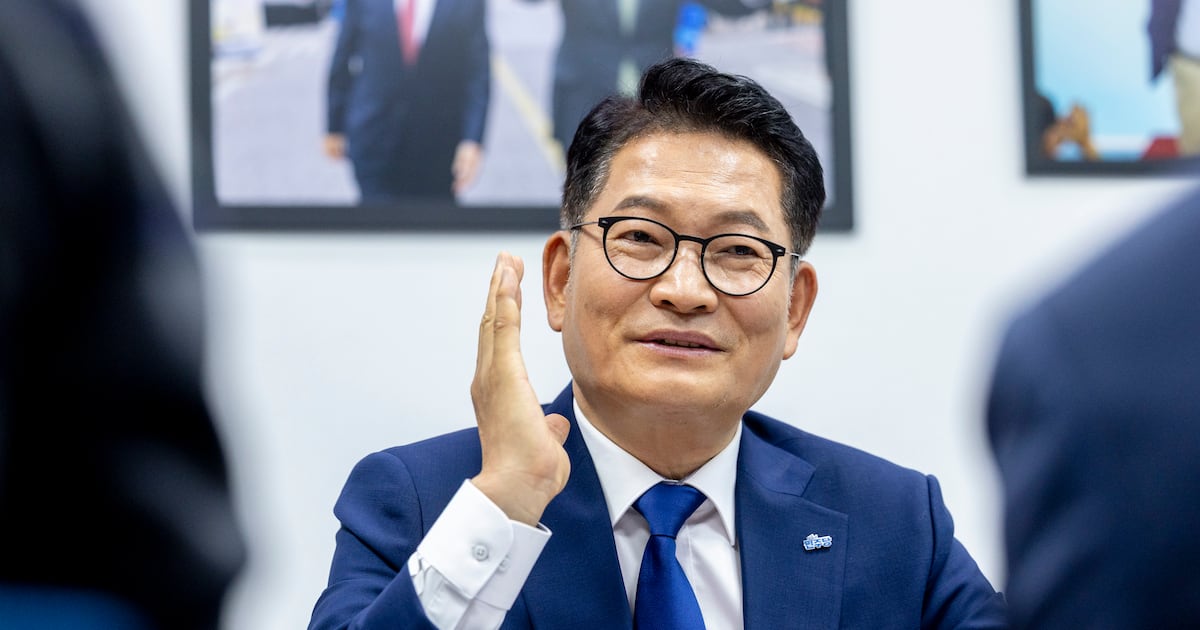
South Korea’s political landscape faced renewed debate over constitutional limits following recent remarks by political figures regarding presidential terms and legal authority. The discussion centers on whether the current single-term presidency should remain unchanged and how prosecutorial powers are exercised within the judicial system.
The discourse involves distinct viewpoints from prominent political actors regarding governance frameworks and legal processes. Critics of altering presidential terms argue that protections against extended executive power are vital for democratic stability, drawing sharp historical comparisons to illustrate the perceived dangers of relaxing term limits.
Understanding these developments requires examining the specific proposals under discussion, the historical context of South Korea’s constitutional framework, and the broader implications for the nation’s political institutions.
Constitutional Framework and Presidential Term Limits
South Korea’s current Constitution, established during the democratic transition of 1987, limits the president to a single five-year term. This restriction was designed to prevent the concentration of power and abuses reminiscent of past authoritarian regimes. Any proposal to alter these limits requires a constitutional amendment, which involves a rigorous legislative process and approval through a national referendum under Article 130 of the Constitution of the Republic of Korea.
Recent political discussions touching upon potential adjustments to the single-term rule have drawn strong pushback from various factions. Opponents of such changes argue that removing term limits undermines democratic checks and balances. Comparisons have been raised regarding the philosophical underpinnings of altering executive tenure, with critics emphasizing the importance of strict constitutional safeguards.
Public opinion in South Korea has historically favored the single-term limit as a safeguard against prolonged executive dominance. Legal scholars note that amending the constitution to allow presidential re-election would require an overwhelming consensus among both lawmakers and the electorate, making any immediate alteration highly improbable.
Prosecutorial Authority and Legal Debates
Alongside debates over executive tenure, political discussions have focused on the powers of investigative bodies, specifically regarding the authority to drop or cancel indictments. The role of special prosecutors and the regular prosecution service remains a subject of intense legislative scrutiny in the National Assembly.
Legal experts emphasize that the power to institute and withdraw public prosecution is strictly regulated under the Criminal Procedure Act of South Korea. Debates center on whether independent counsel teams possess the unilateral authority to drop charges or if such decisions must adhere to established prosecutorial guidelines and judicial review.
These legal arguments reflect ongoing tensions between political oversight and the independence of investigative agencies. Observers note that any reform to prosecutorial powers requires careful balancing to ensure accountability while preserving the rule of law.
Next Steps and Institutional Developments
Discussions regarding constitutional provisions and prosecutorial powers are expected to continue within legislative committees at the National Assembly. Official updates, bill introductions, and legislative schedules can be monitored directly through the National Assembly of Korea website.
What are your thoughts on presidential term limits and prosecutorial authority? Share your perspectives in the comments below.