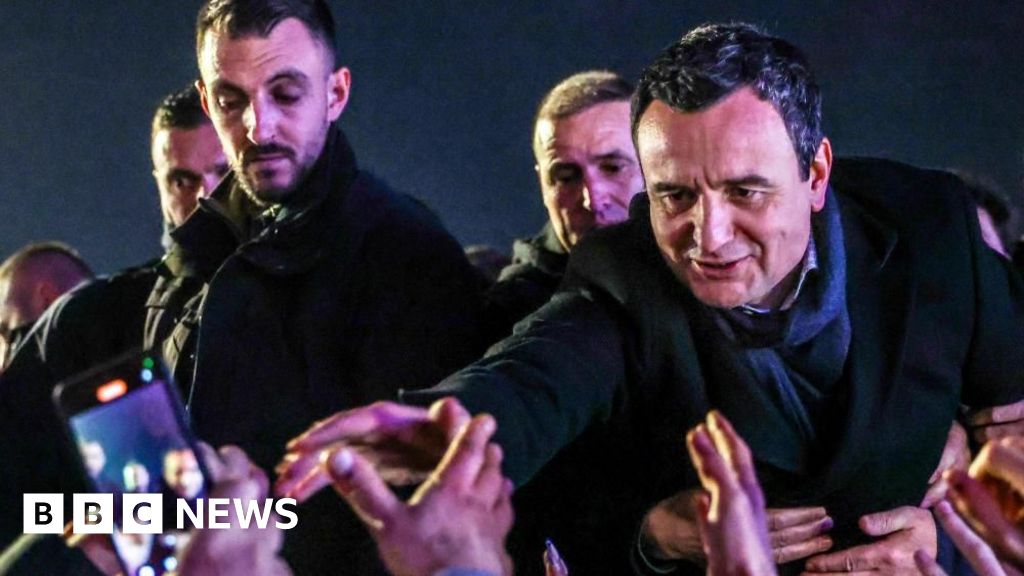
Kosovo Voters Deliver Decisive Mandate to Vetevendosje, But Challenges remain
Kosovo has spoken, and the message is clear: despite months of political deadlock, voters have overwhelmingly backed Albin Kurti‘s Vetevendosje (Self-determination) movement in a snap parliamentary election. This marks the fourth consecutive parliamentary victory for the left-wing party, solidifying Kurti’s position as a dominant force in Kosovar politics. But while the win is meaningful,forming a stable governing coalition and addressing pressing economic and international relations issues will be crucial tests for his leadership.
A Second Election in a Year – And a Clear Outcome
Following February’s inconclusive elections, Kosovo found itself without a functioning goverment for months. The impasse stemmed from the opposition’s refusal to join a coalition with Kurti, leaving the country in a state of political limbo. this latest election aimed to break that deadlock, and the results suggest voters largely blamed the opposition for the prolonged instability.
Hear’s a quick look at the key results:
* Vetevendosje: Approximately 48% of the vote.
* Democratic party of Kosovo (PDK): 20.98%
* Democratic league of Kosovo (LDK): 13.89%
While vetevendosje’s victory isn’t a landslide majority, it’s substantial enough that Kurti is expected to be able to form a government with the support of minority parties, who are guaranteed 20 seats in the 120-seat National Assembly.
Why Did Voters Choose Kurti Again?
Despite criticisms leveled against his government – including constitutional concerns, economic stagnation, and strained international relations – Kurti managed to retain significant public support. Why? Manny Kosovars appear to view the alternatives as even less appealing.
For over a decade following Kosovo’s 2008 declaration of independence, parties linked to the Kosovo Liberation Army held power. They ultimately failed to deliver on promises of economic prosperity, leaving voters disillusioned. As analyst Artan Muhaxhiri pointed out, “despite all the shortcomings, citizens have considered the opposition to be more harmful.”
The Stakes Are High: Billions on the Line
The consequences of political paralysis extend far beyond domestic frustration.Kosovo has been missing out on crucial European Union funding – hundreds of millions of euros – due to the lack of a functioning government. Kurti himself estimates that potential agreements with the EU and the World Bank could unlock over €1 billion in investment.
You can understand why resolving this deadlock was so critical.
Key priorities for the new government include:
* EU integration: Unlocking and effectively utilizing EU funds.
* Economic Progress: Stimulating growth and improving living standards.
* International Relations: Repairing strained relationships with key allies.
Navigating a Complex International Landscape
Perhaps the biggest challenge facing Kurti’s government is mending fences with Kosovo’s most crucial international partners – the EU and the United States.
Kurti’s repeated targeting of institutions serving Kosovo’s Serb minority, particularly in the north of the country, raised tensions and drew criticism from Brussels and Washington. While the EU has lifted punitive measures imposed in 2023, they will be looking for a more pragmatic approach to the long-stalled normalization dialog with Serbia.
Given Kurti’s historically frosty relationship with Serbian President Aleksandar Vucic,achieving a breakthrough in these talks will be a significant hurdle.
A Path Forward: Cooperation, Not Frustration
Kurti has already declared this victory “the greatest in the history of the country” and called on opposition parties to cooperate. Interestingly, there are early signs of a willingness to engage. Arben Gashi of the Democratic League of Kosovo (LDK) acknowledged the voters’ voice and suggested a more responsible approach is needed.
The coming weeks will be crucial. Kosovo’s future hinges on the ability of its political leaders to put aside their differences and work together to address the country’s pressing challenges.
Looking Ahead:
Kosovo’s voters have given Albin Kurti a renewed mandate. Now, the real work begins. Successfully navigating the complex political landscape, unlocking much-needed economic investment, and rebuilding trust with international partners will define the success – or failure – of his government. the world is watching to see
Worth a look