Global financial markets experienced a notable stabilization as crude oil prices declined and equities advanced following a verified pause in active military engagements between the United States and Iran in the Middle East. According to market data from major exchanges and reports from international financial analysts, the temporary easing of geopolitical hostilities immediately relieved upward pressure on energy commodities, soothing investor anxieties that had gripped trading desks worldwide.
The sudden shift in market sentiment reflects the acute sensitivity of global commerce to potential disruptions in key maritime transit corridors, particularly the Strait of Hormuz. As diplomatic channels momentarily superseded direct military exchange, benchmark crude futures dropped sharply during Monday trading sessions, prompting a broad recovery across major stock indexes in Europe, Asia, and the United States.
Financial institutions and energy traders have spent recent weeks pricing in severe downside risks stemming from regional escalation. Monday’s decompression in asset volatility demonstrates how rapidly macroeconomic indicators respond to shifting security conditions in the Persian Gulf, even as market participants and policymakers attempt to gauge the durability of the current diplomatic posture.
Energy Markets React to De-escalation Signals
Crude oil benchmarks fell significantly during early trading on Monday as initial reports confirmed a temporary halt in U.S.-Iran military strikes. According to commodity pricing data cited by Reuters, Brent crude and West Texas Intermediate both retreated from multi-week highs reached amid heightened fears of sustained supply interruptions.
Energy analysts note that approximately a fifth of the world’s petroleum passes through the Strait of Hormuz, making any direct confrontation between Washington and Tehran an immediate threat to global energy security. When military actions paused, risk premiums embedded within futures contracts evaporated rapidly. Traders rushed to unwind defensive positions, accelerating the downward movement in oil prices and providing immediate relief to consumer-facing sectors burdened by high fuel costs.
Equities Rally Across Global Exchanges
Stock markets across multiple jurisdictions responded to the diplomatic reprieve with broad-based gains. Major indices in Europe and Asia finished Monday’s sessions in positive territory, while futures contracts for Wall Street pointed toward a firm opening bell. Technology, manufacturing, and transportation sectors led the upward surge, buoyed by lower projected operating expenses and diminished fears of prolonged economic stagflation.
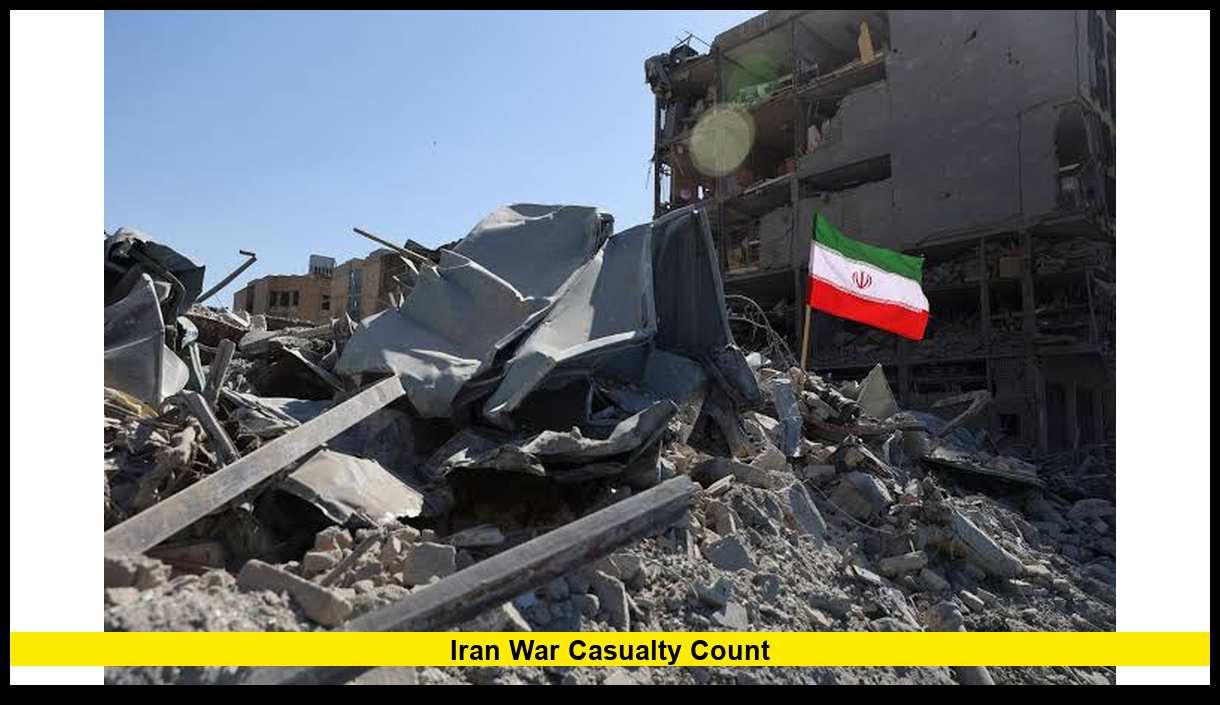
Portfolio managers emphasized that while equity valuations had absorbed the initial shock of the conflict, uncertainty remained the dominant trading theme. Market participants continue to monitor official statements from the White House, the Iranian government, and international mediators to determine whether the current pause will evolve into a sustained cessation of hostilities or merely a brief tactical intermission.
Economic Stakeholders and Market Outlook
The abrupt volatility shift highlights the vulnerable intersection between geopolitics and global macroeconomic stability. Airlines, shipping conglomerates, and heavy manufacturers—industries highly sensitive to fuel price fluctuations and supply chain continuity—welcomed the respite. However, corporate treasurers maintain defensive liquidity buffers as risk management committees evaluate various contingency scenarios for the remainder of the fiscal quarter.
Regulatory bodies and central banks have refrained from issuing emergency monetary policy interventions, noting that private markets are currently pricing the geopolitical risk autonomously. Financial analysts advise retail and institutional investors to consult official market disclosures and verified wire services for real-time updates regarding diplomatic negotiations and energy inventory reports.
Official Updates and Monitoring
Investors and interested observers can track ongoing economic indicators and official geopolitical briefings through accredited channels, including the Reuters financial news network and regulatory filings published by market authorities. As diplomatic talks develop, market participants await further guidance from international monitors regarding the long-term stability of the region.
Related reading