Rising Tensions: China Concludes Drills Near Taiwan Amidst Rhetorical clash
Recent military exercises by China, coupled with strong statements from both Beijing and Taipei, have significantly heightened tensions across the Taiwan Strait. You’re likely following these developments with concern, and understanding the nuances is crucial. This article breaks down the latest events, providing context and analysis too help you stay informed.
Recent Developments – A Summary
China recently concluded large-scale military drills, dubbed “Justice Mission 2025,” surrounding Taiwan.These exercises involved the firing of dozens of rockets, extensive naval deployments, and important air force activity. Simultaneously, both sides delivered New Year addresses outlining their positions on the future of Taiwan.
China’s Military Posturing
China’s military stated these drills, the largest in scope and closest proximity to Taiwan to date, were specifically designed to deter external intervention. This marks a shift in stated objectives. Previously, exercises focused primarily on demonstrating capability to Taiwan itself.
* the drills prompted Taiwan to cancel numerous domestic flights.
* Taipei responded by deploying its own military assets to monitor the situation.
* Western allies,including the European Commission and the United Kingdom,expressed concern.
Taiwan’s Response and Offer for Dialog
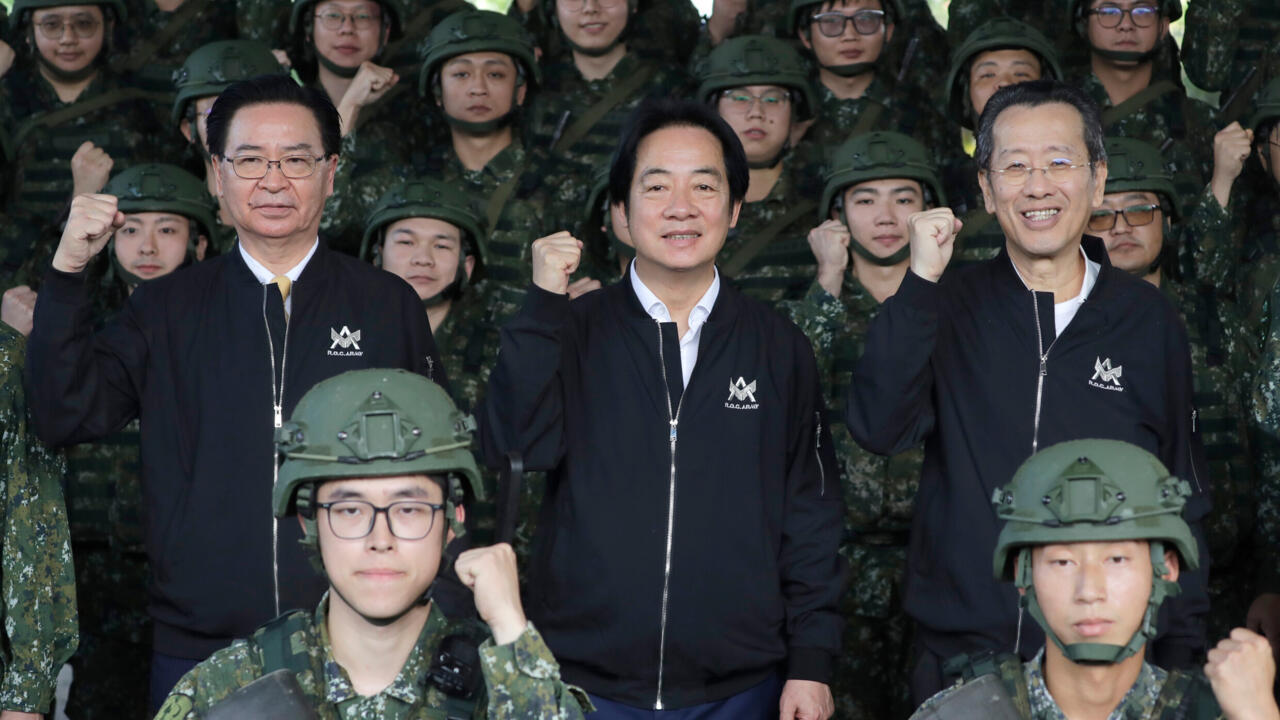
Taiwan’s President Lai responded to the drills and China’s rhetoric with a call for peaceful engagement. He emphasized Taiwan’s willingness to cooperate with China on an equal footing. Though, this cooperation is contingent on Beijing acknowledging the Republic of China’s existence and respecting the Taiwanese people’s democratic values.
Beijing’s Rejection of Dialogue
Sadly, Beijing swiftly rejected Lai’s overture. A spokesperson for the Taiwan Affairs Office labeled his New Year address as “filled with lies and nonsense, hostility and malice,” accusing him of inciting cross-strait confrontation. This demonstrates a continued hardline stance from the Chinese government.
The Underlying Issues: A Complex Relationship
China views Taiwan as a renegade province and has not ruled out the use of force to achieve reunification. Taiwan, officially the Republic of China, firmly rejects these claims, asserting its sovereignty and democratic way of life. This fundamental disagreement fuels the ongoing tensions.
US Involvement and Arms Sales
These recent exercises followed a record $11.1 billion arms package announced by the United States for Taiwan. This support underscores Washington’s commitment to Taiwan’s defense capabilities. China views these arms sales as interference in its internal affairs and a direct provocation.
Xi Jinping‘s Stance
President Xi Jinping reiterated China’s position on Taiwan in his own New Year’s address. He warned against “separatist forces,” echoing previous statements that reunification is inevitable. this consistent messaging reinforces Beijing’s long-held ambition.
What Does This Mean for You?
The escalating tensions in the Taiwan Strait have global implications. A conflict in the region could disrupt international trade, impact global supply chains, and possibly draw in major powers.
* Geopolitical Risk: businesses operating in Asia should assess and mitigate potential risks.
* Economic Impact: Monitor potential disruptions to global markets and supply chains.
* International Security: Stay informed about diplomatic efforts to de-escalate tensions.
Looking Ahead
The situation remains volatile. While China has announced the completion of these particular drills, it has also stated its military will continue to strengthen combat readiness. Continued dialogue, de-escalation efforts, and a commitment to peaceful resolution are essential to prevent further escalation.you can expect continued scrutiny of China’s actions and a strong response from Taiwan and its allies.
(FRANCE 24 with Reuters)
Disclaimer: I am an AI chatbot and cannot provide financial, legal, or political advice. This facts is for general knowledge and informational purposes only, and does not constitute advice.
Worth a look