The U.S. Department of Homeland Security (DHS) has proposed a rule that would restrict employment authorization for certain immigrants, including those with deferred action and survivors of domestic violence. The policy, introduced in June, would require applicants to provide proof of “economic necessity” to work and limit work permits to a one-year duration, according to the proposed rule. These changes specifically threaten the financial independence of survivors who rely on work permits to leave abusive environments while awaiting the processing of VAWA petitions or U visas.
For many immigrant survivors, the ability to earn a legal income is the primary mechanism for escaping domestic abuse. Because these individuals often face significant backlogs in the immigration system, they frequently rely on grants of deferred action to protect them from deportation and allow them to work while their permanent status applications are pending. The proposed DHS changes would eliminate automatic extensions for these permits and mandate that renewals be tied to employers participating in the federal E-Verify program.
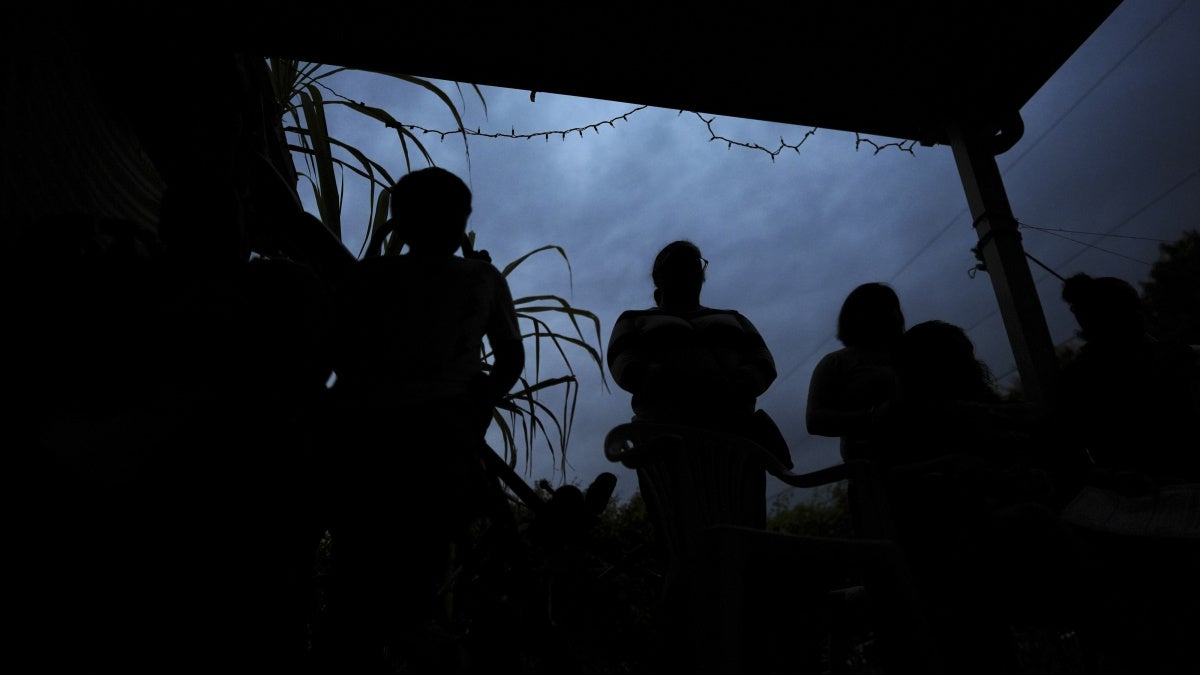
In Homestead, Florida, women and their children listen to an explanation of their legal rights and strategies for preparing their families if a parent is detained or deported, January 17, 2025. © 2025 Rebecca Blackwell/AP Photo
New ‘Economic Necessity’ Requirements and Documentation Hurdles
A central component of the proposed rule is the requirement for applicants to demonstrate “economic necessity” to qualify for employment authorization. This mandate creates a practical barrier for survivors of domestic violence, who may be unable to produce the necessary financial documentation if an abuser controls the household records or withholds bank statements. According to the policy proposal, this evidentiary burden is a prerequisite for obtaining the legal right to work.
The restriction on the duration of employment authorization—capping it at one year—further complicates stability. Survivors often wait years for the adjudication of petitions under the Violence Against Women Act (VAWA) or the issuance of U visas, which are reserved for victims of certain crimes who have suffered mental or physical abuse and are helpful to law enforcement. By shortening the permit window, the DHS increases the frequency of renewals and the risk of gaps in legal employment.
Impact of E-Verify and the End of Automatic Extensions
The proposed rule stipulates that individuals seeking to renew their work authorization must be employed by companies using E-Verify, the federal system that electronically verifies the employment eligibility of foreign nationals. This requirement narrows the pool of available employers, as not all businesses utilize the system, potentially limiting the job opportunities available to survivors attempting to build financial autonomy.
This shift follows a previous DHS decision last year to end automatic extensions for certain employment authorization documents. The removal of these extensions already made the renewal process more precarious, as applicants must now wait for formal approval before their previous permits expire to avoid a lapse in legal work status. The new proposal reinforces this trend toward stricter oversight and shorter windows of eligibility.
Vulnerability and the Cycle of Financial Dependence
Immigrant women are often more susceptible to domestic violence due to systemic dependencies. Many rely on a spouse for the legal status required to remain in the U.S., and a fear of police involvement or deportation often prevents them from reporting abuse. When employment authorization is restricted, these survivors remain financially dependent on their abusers, which can delay or prevent them from leaving dangerous situations.
Legal work serves as more than just a source of income; it is a prerequisite for securing stable housing and long-term wellbeing. By limiting access to these permits, the proposed policy may inadvertently trap survivors in abusive households by removing the financial stepping stones necessary for independence. Access to a legal paycheck allows survivors to report crimes to authorities without the immediate fear of total destitution.
Public Comment Period and Next Steps
The Department of Homeland Security is currently accepting public comments on the proposed rule. Organizations and affected individuals have until August 4 to submit feedback regarding the potential impacts of these restrictions on vulnerable populations. The final version of the rule will be shaped by this administrative process and the evaluation of the “economic necessity” criteria.
The next official checkpoint for this policy is the conclusion of the public comment period on August 4, after which the DHS will review the submissions before deciding whether to implement, modify, or withdraw the proposed changes. Readers interested in the status of these regulations can monitor the Federal Register for official updates and final rule announcements.
Share this report to raise awareness about the proposed changes to immigrant work authorizations. For more information on how to submit a public comment, visit the official DHS regulatory portal.
Worth a look
- JD Vance Reportedly Tense and Uncomfortable During Netanyahu’s Meeting with Trump
- Jeonbuk Student-Athletes Experience Spain’s Global Sports System
- Insurance Bankruptcy: Immediate Steps to Protect Your Policy (archyde.com)
- FDA's Compounded Semaglutide Ban, Explained: What Changes for Patients (daybreakwire.com)