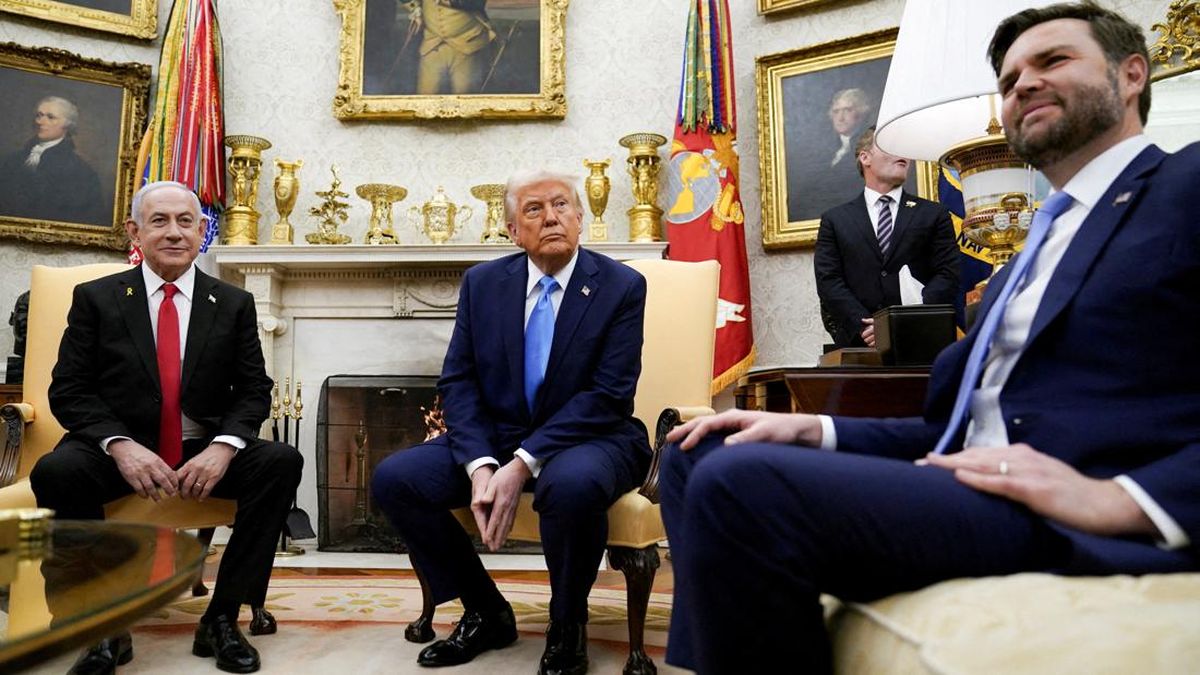
US Vice President-elect JD Vance reportedly displayed visible tension and discomfort during high-stakes diplomatic discussions involving Israeli Prime Minister Benjamin Netanyahu and President-elect Donald Trump. According to regional reporting and diplomatic observations, the interaction highlighted underlying complexities within conservative foreign policy circles regarding the ongoing Middle East conflict and future American involvement abroad.
The encounter took place amid a series of transition meetings in Washington and Florida as incoming administration officials navigate complex international partnerships. Observers close to the meetings noted a stark contrast between Donald Trump’s traditional alignment with the Israeli leader and JD Vance’s more cautious, America First skepticism toward foreign entanglements.
As the incoming administration prepares to take office on January 20, 2025, these early diplomatic friction points offer a window into potential internal debates shaping US foreign policy in the Middle East. Understanding the dynamics between key administration figures and visiting foreign leaders remains crucial for tracking future legislative and executive actions.
Shifting Foreign Policy Dynamics in the Incoming Administration
The reported discomfort of JD Vance during the talks underscores a broader ideological divide within the modern Republican party. While traditional hawks advocate for unwavering support of regional allies, the populist wing championed by figures like Vance often questions long-term financial and military commitments overseas.
During the discussions with Benjamin Netanyahu, policy differences emerged regarding the scale of future US aid, strategic timelines, and regional deterrence strategies. Analysts tracking the transition emphasize that these debates are far from settled, with different factions vying for influence over the National Security Council and the Department of State.
According to updates from diplomatic correspondents, international stakeholders are closely monitoring how these internal tensions will translate into actual executive decisions once the cabinet is fully seated and confirmed by the US Senate.
Stakeholder Reactions and Regional Implications
Regional governments across the Middle East are carefully assessing signals coming from the incoming White House team. Israeli officials have expressed a desire for continued close coordination, while Palestinian advocates and international humanitarian groups watch anxiously for any shifts in US diplomatic leverage.
Domestic critics of the incoming administration have also seized upon reports of internal friction, questioning whether a divided foreign policy team can effectively manage mounting crises in Gaza, Lebanon, and across the broader region. Conversely, supporters argue that robust internal debate ensures a more thorough vetting of American commitments abroad.
Official statements from the transition team have consistently emphasized a unified goal of securing peace and stability, though specific policy blueprints regarding bilateral agreements and security guarantees remain under active review.
Next Steps and Official Transition Milestones
The formal transition process continues ahead of the presidential inauguration scheduled for January 20, 2025. Additional policy announcements, cabinet confirmation hearings before the US Senate, and potential foreign leader visits will provide further clarity on the direction of American foreign policy.
Readers and researchers can track official updates, upcoming congressional hearings, and verified executive announcements directly through the Official U.S. Congress Website and federal transition portals for primary source documentation.
We invite our readers to share their perspectives on these evolving geopolitical developments in the comments below or share this report across your professional networks.
Worth a look