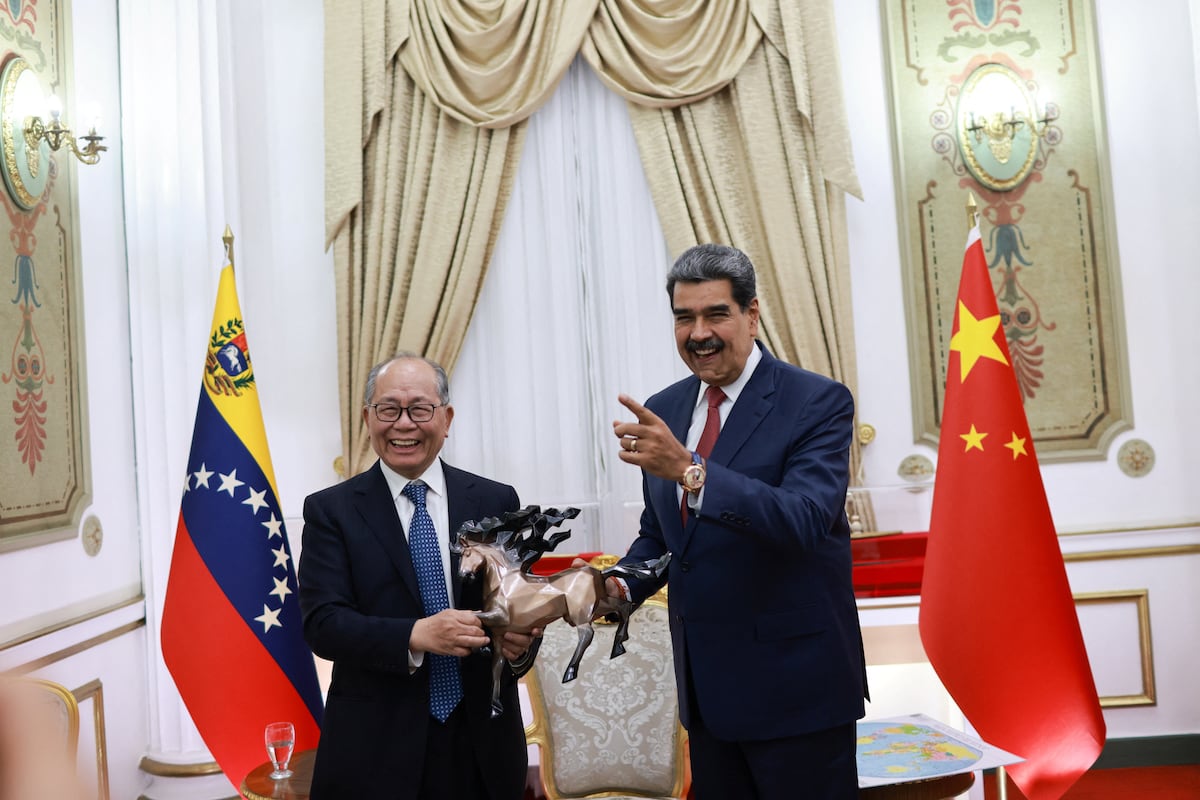
China Strongly Condemns U.S. actions in Venezuela, Demands Maduro’s Release
Recent events in Venezuela have sparked a strong international response, particularly from China, which has vocally condemned what it describes as a concerning display of hegemonic behavior by the United States. The situation unfolded rapidly, culminating in the detention of Venezuelan President Nicolás Maduro and his wife, Cilia Flores, by U.S. forces. This has prompted a firm and unequivocal reaction from Beijing.
China has expressed “deep shock” and “energetic condemnation” regarding the use of force against a sovereign nation. Specifically, officials are denouncing what they characterize as a reckless application of power against Venezuela and its democratically elected leader. You’ll find that this isn’t simply a matter of diplomatic protocol; it represents a fundamental disagreement over international law and sovereignty.
Key Concerns expressed by China
Here’s a breakdown of the core issues China has raised:
* Violation of Sovereignty: China views the U.S. intervention as a direct infringement upon Venezuela’s sovereign rights.
* Breach of International Law: The actions are considered a “grave transgression” of established international legal frameworks.
* regional Instability: Officials fear the intervention poses a significant threat to peace and security throughout Latin America and the Caribbean.
* Personal Safety: There are urgent calls for guaranteeing the safety and well-being of President Maduro and his wife.
Consequently, China is demanding the “immediate liberation” of both Maduro and Flores. Furthermore,they are urging the U.S. to cease any actions intended to destabilize the Venezuelan government.
The Chinese Foreign Ministry reiterated its position on Monday, emphasizing its deep concern over the detention. Spokesperson Lin Jian stated that China is closely monitoring the security situation. He underscored that the cooperation between China and venezuela is built on a foundation of mutual respect and adherence to international law.
Its critically important to understand that this relationship isn’t simply transactional. China views its partnership with Venezuela as a legitimate collaboration between sovereign states, operating within legal boundaries. Regardless of Venezuela’s evolving political landscape, China remains committed to strengthening its pragmatic cooperation with the nation across all sectors.
A Broader Regional Perspective
China’s concerns extend beyond the immediate situation in Venezuela. They are actively advocating for Latin America and the Caribbean to remain a “zone of peace.” This means opposing the use or threat of force in international relations.
Moreover, China firmly rejects external interference in the internal affairs of Latin American countries, regardless of the justification offered. You can see this as a broader statement about China’s foreign policy – a commitment to non-intervention and respect for national sovereignty.
This stance reflects a growing trend of global powers challenging what they perceive as unilateral actions by the United States. It’s a complex geopolitical landscape, and the situation in Venezuela is undoubtedly a pivotal moment.
Ultimately, China’s strong response highlights the increasing importance of multilateralism and the need for a rules-based international order.As the situation unfolds, it will be crucial to observe how these dynamics shape the future of Venezuela and the wider region.
Worth a look