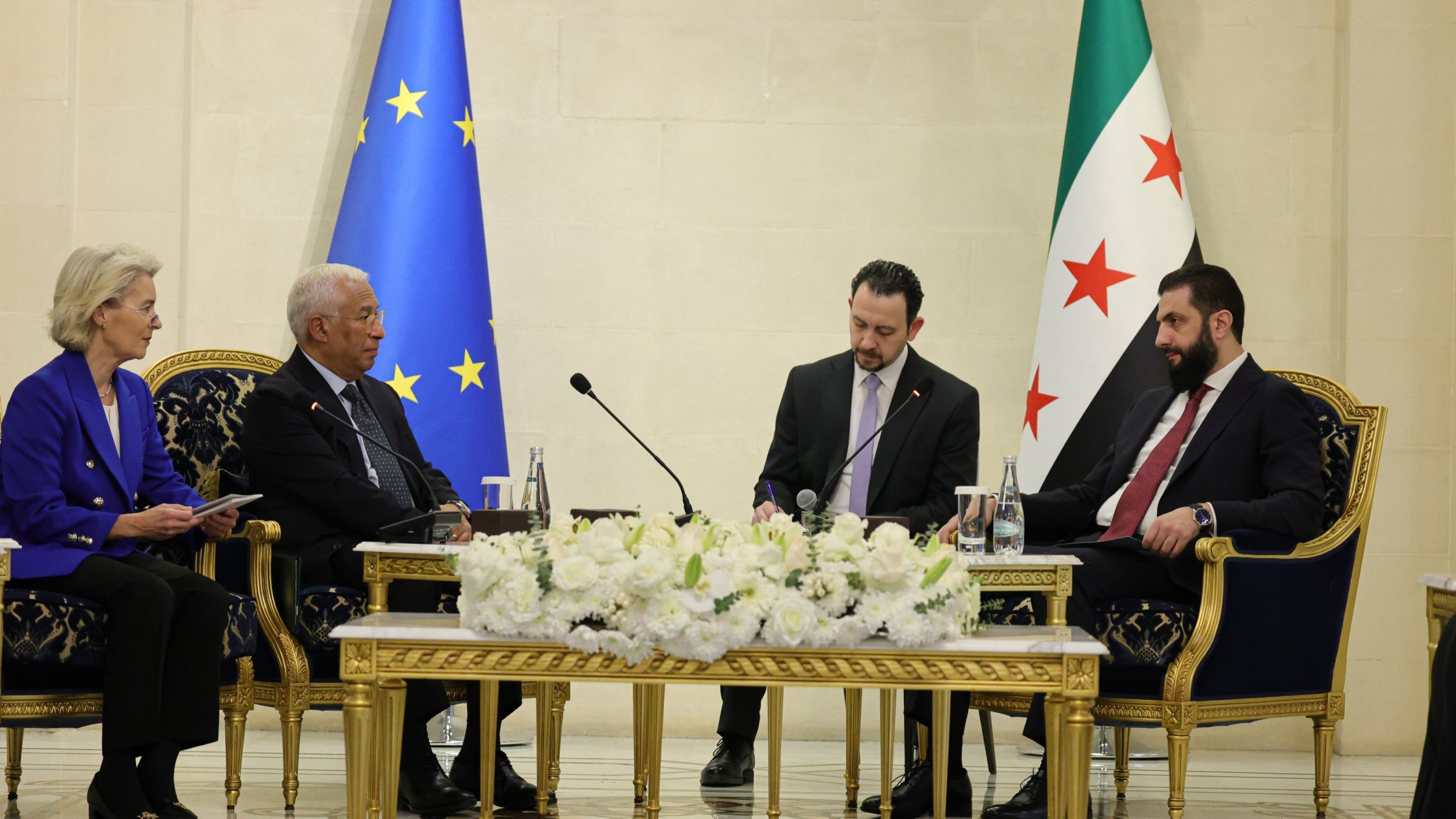
The European Union is embarking on a notable new phase in its relationship with Syria, marked by a significant €620 million ($721 million) aid package slated for 2026-2027. This commitment, unveiled on Friday following discussions between Ursula von der leyen and Syrian President Ahmed al-Sharaa, signals a renewed focus on supporting the nation’s recovery and future stability. As geopolitical landscapes shift, understanding this evolving partnership is crucial.
A New Chapter: EU-Syria cooperation
This initiative represents a pivotal moment, initiating a three-pronged approach to cooperation. Von der Leyen and EU Council President Antonio Costa’s visit to Damascus – a first of its kind - underscored the EU’s dedication to re-engaging with Syria’s leadership and charting a course for a more constructive future.
Did You Know? According to a recent report by the United Nations High Commissioner for Refugees (UNHCR) in December 2025, over 5.5 million Syrian refugees remain displaced, highlighting the urgent need for sustainable solutions and support for their potential return.
The framework is built upon three core pillars:
- Political Partnership: This involves initiating high-level dialogues to explore avenues for the EU to bolster Syria’s progress in rebuilding, reconstructing, and fostering lasting civil peace.
- Economic Cooperation: The EU has already removed all sanctions and invited the European Investment Bank to recommence operations within Syria. Discussions are underway to reinstate the cooperation agreement, facilitating market access and economic growth.
- Financial Support: Recognizing the immense scale of Syria’s recovery needs, the EU is pledging approximately €620 million in financial assistance for 2026 and 2027. This funding will be allocated to humanitarian aid, early recovery efforts, and bilateral support programs designed to restore essential services and rebuild state institutions.
“We would like Syrians to have a real prospect of coming back home and rebuilding their lives here,” von der Leyen stated, emphasizing the EU’s commitment to facilitating the safe, dignified, and voluntary return of Syrian citizens.
Addressing Immediate Needs and Long-Term Stability
The EU’s strategy extends beyond financial aid. It includes strengthening collaboration with regional partners – notably Türkiye, Jordan, and Lebanon – alongside the UNHCR, to ensure a coordinated approach to supporting returning Syrians. This holistic strategy acknowledges the complex regional dynamics at play and the
Worth a look