Escalating Tensions: Potential Iranian Retaliation After Possible Strikes Raises Concerns for Europe
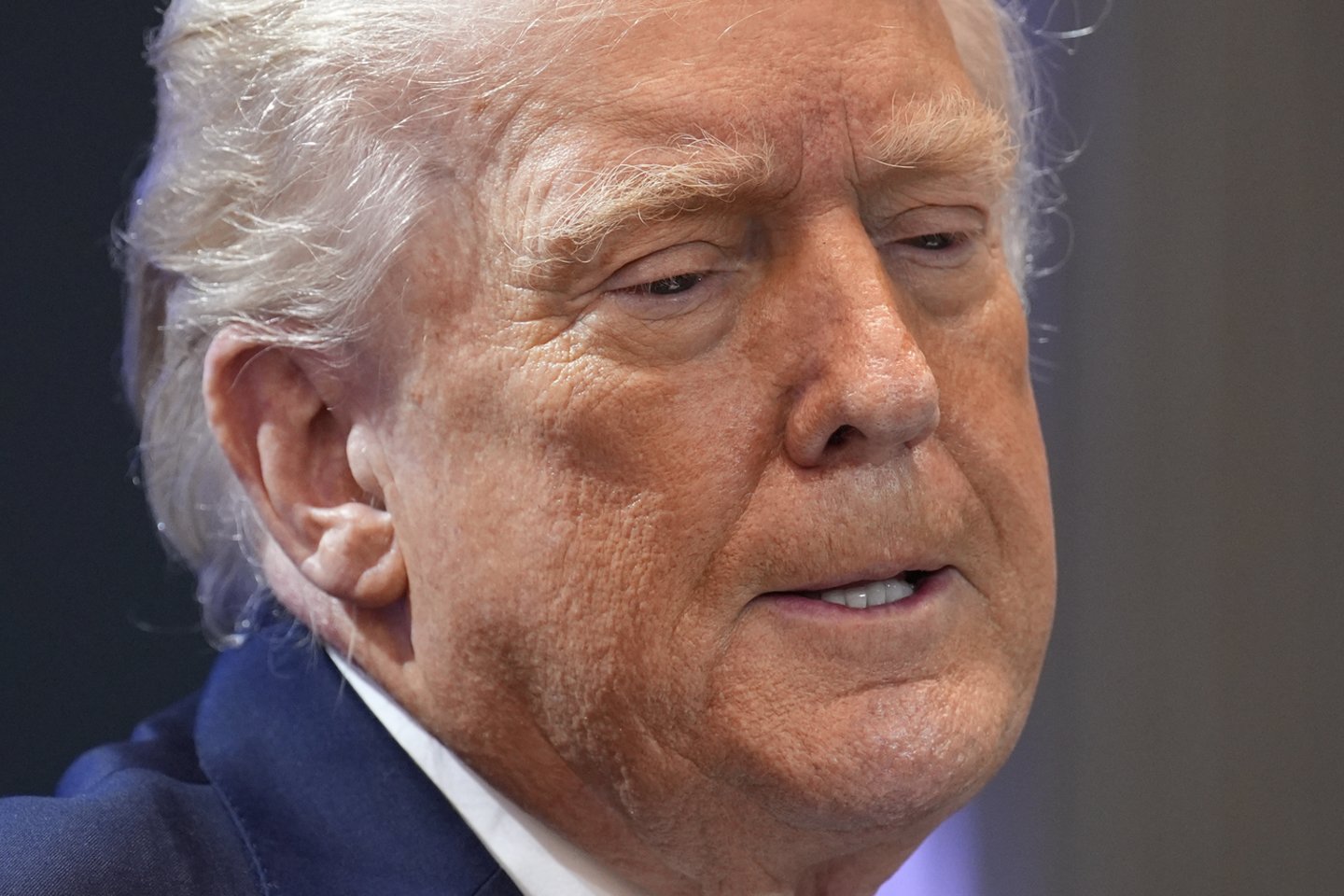
The possibility of direct military confrontation between Iran and the United States, or its allies, has increased in recent days, with reports suggesting former President Donald Trump is considering potential strike options. This escalation comes amid heightened regional instability and raises the specter of a wider conflict that could extend beyond the Middle East, directly impacting European security and economic interests. The situation is further complicated by Iran’s potential responses, which, according to analysis, could include asymmetric warfare and attacks targeting regional allies and potentially European nations.
The current tensions stem from a complex web of factors, including Iran’s nuclear program, its support for proxy groups in the region, and its ballistic missile development. While the specifics of any potential U.S. Strikes remain undisclosed, the mere consideration of military action has triggered a flurry of diplomatic activity and warnings from international actors. The potential for miscalculation and unintended consequences is significant, particularly given the volatile nature of the region and the involvement of multiple state and non-state actors.
The Lithuanian news outlet, Lrytas, reported on February 23, 2026, that a response from Iran to any potential strikes could “touch Europe.” While the report offers limited detail, it underscores the growing concern within European capitals about the potential for spillover effects from a conflict in the Middle East. This concern is fueled by Iran’s demonstrated ability to project power beyond its borders, through its network of proxies and its development of long-range missiles.
The Potential for Iranian Retaliation: A Multi-faceted Approach
Experts suggest that Iran’s response to any military action against its interests would likely be multi-faceted, combining conventional and asymmetric warfare tactics. This could include missile attacks targeting U.S. Military bases and regional allies, such as Israel and Saudi Arabia. However, Iran could also employ asymmetric tactics, such as attacks on oil infrastructure, maritime shipping, and cyberattacks targeting critical infrastructure in the United States and Europe. The potential for attacks on European soil, while not explicitly confirmed, is a growing concern among security analysts.
One of the primary concerns for Europe is the potential for Iran to leverage its network of proxies in the region to carry out attacks against European interests. These proxies, operating in countries such as Lebanon, Syria, Iraq, and Yemen, could be tasked with launching attacks against European diplomatic missions, military personnel, or economic assets. Iran’s close ties with Russia could complicate the situation, potentially leading to increased coordination between the two countries in the event of a conflict.
The European Union has consistently called for de-escalation and a return to diplomacy in the region. However, the EU’s ability to influence events is limited, particularly given the divergent interests of its member states. Some European countries, such as France and Germany, have traditionally favored a more diplomatic approach to Iran, while others, such as the United Kingdom, have aligned more closely with the United States. This internal division within the EU complicates the bloc’s ability to formulate a unified response to the escalating crisis.
Economic Implications for Europe
Beyond the security implications, a conflict involving Iran could have significant economic consequences for Europe. The region is a major supplier of oil and natural gas, and any disruption to supplies could lead to a sharp increase in energy prices. This would have a particularly severe impact on European economies, which are heavily reliant on imported energy. A conflict could disrupt global trade routes, leading to increased shipping costs and supply chain disruptions.
The Strait of Hormuz, a narrow waterway through which a significant portion of the world’s oil supply passes, is a particularly vulnerable point. Iran has repeatedly threatened to close the Strait of Hormuz in the event of a conflict, which would have a devastating impact on global energy markets. European countries, particularly those with limited domestic energy resources, would be particularly vulnerable to such a disruption. According to the U.S. Energy Information Administration, approximately 21% of global oil consumption passed through the Strait of Hormuz in 2023. U.S. Energy Information Administration
The potential for increased cyberattacks is another significant economic concern. Iran has demonstrated a growing capability in cyber warfare, and could use this capability to target European businesses and critical infrastructure. Such attacks could disrupt economic activity, steal sensitive data, and undermine confidence in the European financial system.
The Role of International Diplomacy
Despite the escalating tensions, diplomatic efforts to de-escalate the situation are ongoing. The United States, European Union, and other international actors are engaged in intensive negotiations with Iran and regional powers in an attempt to find a peaceful resolution to the crisis. However, the prospects for a breakthrough remain uncertain, given the deep-seated mistrust and conflicting interests of the parties involved.
The Joint Comprehensive Plan of Action (JCPOA), the 2015 nuclear deal between Iran and world powers, remains a key point of contention. The United States withdrew from the JCPOA in 2018 under the Trump administration, and reimposed sanctions on Iran. Iran has since gradually rolled back its commitments under the deal, and is now enriching uranium to levels that are closer to weapons-grade. European countries have been attempting to salvage the JCPOA, but have faced significant challenges in doing so.
The International Atomic Energy Agency (IAEA) continues to monitor Iran’s nuclear program, and has repeatedly expressed concern about the lack of transparency and the potential for Iran to develop nuclear weapons. The IAEA has called on Iran to fully cooperate with its investigations, and to abide by its commitments under the JCPOA. International Atomic Energy Agency
Lithuania’s Role and Regional Concerns
While geographically distant from the immediate conflict zone, Lithuania, as a member of the European Union and NATO, shares concerns about the potential for regional instability and the broader implications of a conflict involving Iran. Lithuania, like other European nations, is vulnerable to the economic consequences of a disruption to energy supplies and global trade. The country also recognizes the potential for increased cyberattacks and the necessitate to strengthen its cybersecurity defenses.
The Lithuanian company Lrytas, registered with company code 300781534 and registered in the Lithuanian Register of Enterprises by the State Enterprise Centre of Registers, highlighted the potential for European involvement in the conflict. The company’s address is A. Goštauto g. 12A, LT-01108, Vilnius. Contact information for the editorial team is available at [email protected], and technical issues can be reported to [email protected].
The Registrų centras (Register Centre), a state-owned enterprise responsible for maintaining Lithuania’s registers, is also involved in ensuring the transparency and accountability of companies operating within the country. VĮ Registrų centras
Key Takeaways
- Escalating tensions between Iran and the U.S. (or its allies) raise the risk of a wider regional conflict.
- European nations face potential security threats, including attacks by Iranian proxies and cyberattacks.
- A conflict could significantly disrupt global energy markets and supply chains, impacting European economies.
- International diplomatic efforts to de-escalate the situation are ongoing, but face significant challenges.
- Lithuania, as an EU and NATO member, shares concerns about regional instability and potential economic consequences.
The situation remains fluid and unpredictable. The coming days and weeks will be critical in determining whether a diplomatic solution can be found, or whether the region will be plunged into a new and potentially devastating conflict. Continued monitoring of the situation and a commitment to diplomatic engagement are essential to prevent further escalation and protect European security interests. Share your thoughts and perspectives on this developing story in the comments below.
Worth a look