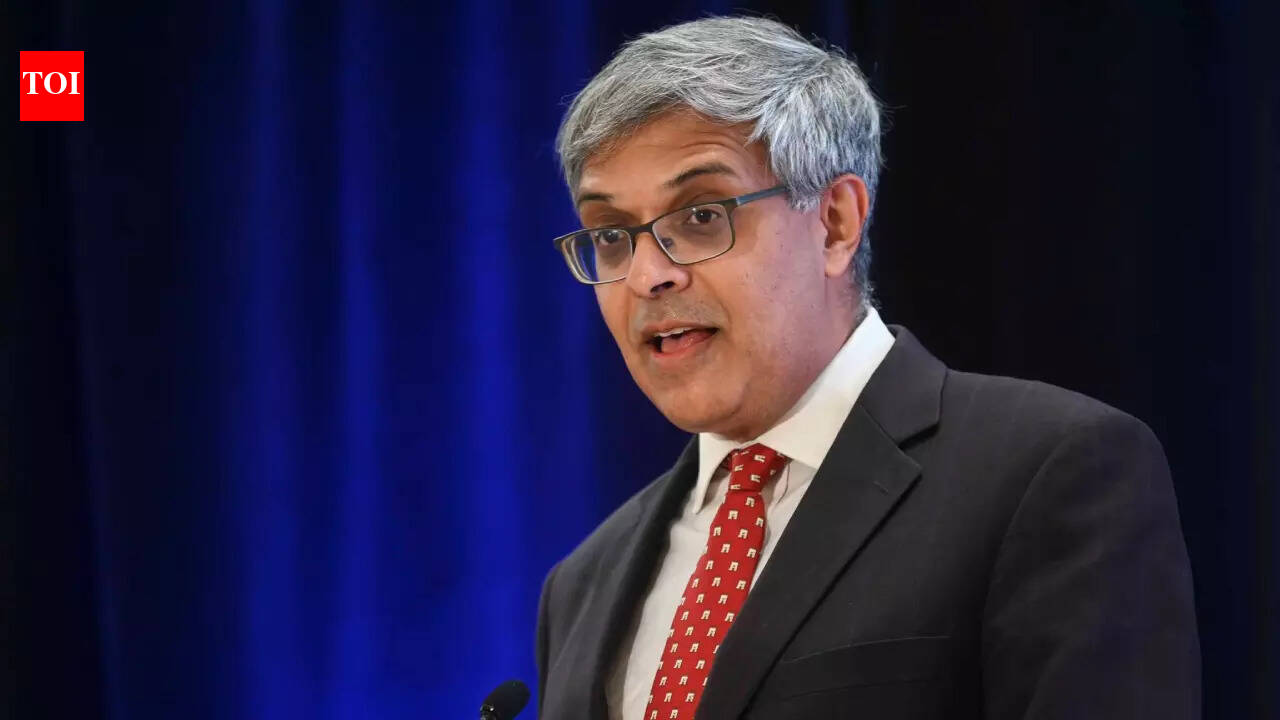
Washington is watching with growing concern as Dr. Jay Bhattacharya, a Stanford physician and health economist, now simultaneously leads both the National Institutes of Health (NIH) and, in an acting capacity, the Centers for Disease Control and Prevention (CDC). This unprecedented consolidation of power, occurring at a time of ongoing institutional instability within federal health agencies, has sparked anxieties among former officials and public health experts about the capacity of one individual to effectively manage the distinct and demanding responsibilities of these two critical organizations. The situation underscores a broader pattern of leadership turnover and policy shifts that have unsettled the scientific community in recent years.
The CDC’s leadership has been in flux for months. President Donald Trump’s initial nominee, former Florida Representative David Weldon, faced insufficient support in the Senate, preventing his confirmation. Susan Monarez, a career scientist who initially stepped in as interim director, was later nominated for the permanent position but subsequently removed. Jim O’Neill, a deputy assistant secretary at the Department of Health and Human Services, then assumed the role of acting director before Bhattacharya’s appointment. The Hill first detailed these concerns, highlighting the unusual nature of the situation.
Bhattacharya, now the third acting CDC director in seven months, outlined his priorities for the agency in an internal email to staff, emphasizing transparent updates to guidance based on emerging data, investigations that prioritize community needs, and strengthened internal review processes to enhance accountability and openness. But, the sheer scope of simultaneously leading both the NIH and the CDC has raised questions about whether one person can effectively fulfill the distinct mandates of each institution.
The Divergent Missions of NIH and CDC
The NIH and the CDC, while both vital to public health, operate with fundamentally different focuses. The NIH is primarily dedicated to biomedical research, funding and coordinating scientific investigations to expand our understanding of disease and develop modern treatments. The National Institutes of Health website details its extensive research portfolio. In contrast, the CDC focuses on disease prevention, surveillance, outbreak response, and providing public health guidance to communities across the nation. The Centers for Disease Control and Prevention website outlines its core functions and programs.
“Even the most experienced leader would struggle to manage both agencies effectively at the same time,” former CDC physician Elizabeth Soda told The Hill. This sentiment is echoed by others who argue that each organization requires dedicated leadership to navigate its unique challenges and responsibilities. James Alwine, a professor emeritus of cancer biology at the University of Pennsylvania and a member of the volunteer network Defend Public Health, further emphasized this point, stating that the missions and operational demands are simply too different for one person to handle concurrently.
A Controversial Figure at the Helm
Beyond the logistical challenges of a dual role, Bhattacharya’s appointment has drawn scrutiny due to his public profile during the COVID-19 pandemic. As a Stanford physician and health economist, he gained prominence as a co-author of the Great Barrington Declaration, a controversial document that advocated for a more targeted approach to pandemic response, focusing on protecting the vulnerable while allowing those at lower risk to resume normal activities. The declaration criticized broad lockdowns and suggested that allowing natural immunity to develop within the population could be a viable strategy.
Supporters view Bhattacharya as a champion of open debate and a critical voice challenging conventional wisdom. However, detractors see him as skeptical of mainstream public health orthodoxy, raising concerns about his commitment to established scientific principles and public health interventions. This history makes his expanded authority particularly sensitive, as his leadership could influence the CDC’s response to future public health emergencies and potentially shape public health policy for years to come.
Broader Trends in Federal Health Leadership
Bhattacharya’s dual role is occurring against a backdrop of broader reshuffling and uncertainty within federal health agencies. The Trump administration saw numerous leadership changes, policy reversals, and ideological tensions that unsettled career scientists and raised questions about the integrity of scientific decision-making. The New York Times reported on the ongoing leadership instability at the CDC.
At stake is not only administrative efficiency but also the credibility of these vital institutions. The CDC’s guidance influences global health policy, while the NIH steers billions of dollars in research funding and sets scientific priorities for universities and laboratories worldwide. Public health emergencies do not allow for prolonged periods of bureaucratic transition, and the effectiveness of the U.S. Response to future health crises could depend on the stability and clarity of leadership within these agencies.
The Great Barrington Declaration: A Point of Contention
The Great Barrington Declaration, co-authored by Bhattacharya, sparked significant debate within the public health community. The document, published in October 2020, argued for a “focused protection” strategy, suggesting that resources should be concentrated on protecting the most vulnerable populations while allowing younger, healthier individuals to live relatively normal lives. Critics argued that this approach could lead to widespread infections and deaths, particularly among vulnerable groups. Supporters, however, maintained that the costs of prolonged lockdowns outweighed the benefits and that a more targeted approach was necessary to mitigate the economic and social consequences of the pandemic.
The declaration’s impact on public health policy remains a subject of debate. While it did not directly influence official CDC guidance, it fueled a broader conversation about the appropriate balance between public health measures and individual liberties. Bhattacharya’s association with the declaration has led some to question his commitment to evidence-based public health practices and his willingness to prioritize scientific consensus.
Jay Bhattacharya’s simultaneous leadership of the NIH and the CDC presents a unique and potentially challenging situation for American public health. Whether this arrangement proves to be stabilizing or destabilizing will depend on his ability to navigate the distinct demands of each agency and maintain public trust in the face of ongoing scrutiny. For now, Washington’s health establishment remains closely watchful, recognizing that in public health, organizational structure often profoundly shapes outcomes.
The coming months will be critical as Bhattacharya attempts to lead both agencies. The duration of his acting role at the CDC remains uncertain, and the search for a permanent director continues. Further updates on the CDC’s leadership and policy decisions can be found on the CDC’s website. Readers are encouraged to share their thoughts and perspectives on this evolving situation in the comments below.