Expanding Access to Hospital-Level Care at Home in the Vendée Region
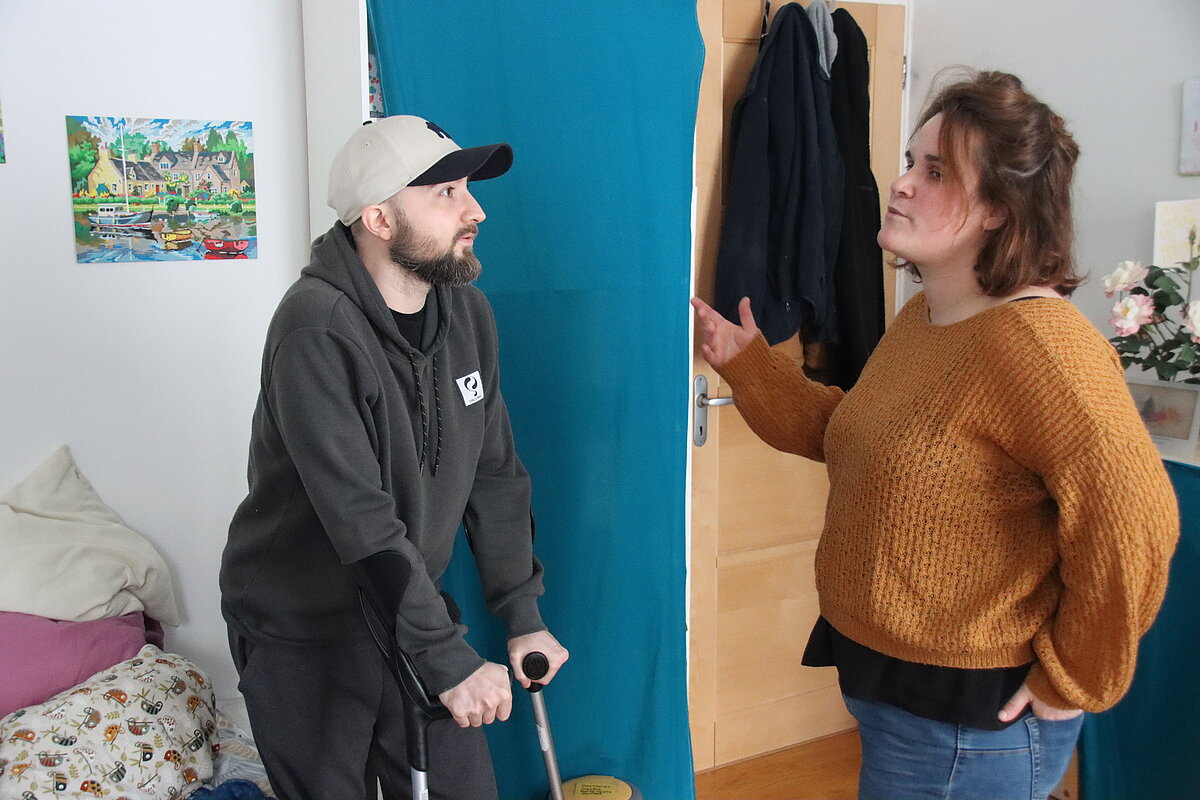
The provision of hospital-level care within the comfort of patients’ homes is gaining prominence globally as a means of alleviating pressure on traditional hospital facilities and enhancing patient well-being. In the Vendée region of France, a network of five dedicated facilities is working to meet the growing demand for this type of care, supporting approximately 2,500 patients annually. This collaborative approach, involving local healthcare professionals and coordinated teams, aims to ensure continuity of care and a smoother transition for patients returning home after hospitalization.
The shift towards hospital-at-home models is driven by several factors, including an aging population, the increasing prevalence of chronic diseases, and a desire to reduce hospital readmissions. Studies have demonstrated that patients receiving hospital-level care at home often experience improved outcomes, reduced infection rates, and increased satisfaction compared to those treated in traditional hospital settings. Research published in the National Library of Medicine highlights the benefits of hospital at home programs, including reduced costs and improved patient experience.
A Networked Approach to Home Hospitalization in the Vendée
The five facilities – located in Montaigu-Vendée, Fontenay-le-Comte, Challans, Les Sables-d’Olonne, and La Roche-sur-Yon – serve as hubs for coordinating care for patients throughout the Vendée department. This decentralized structure allows for a more localized and responsive service, tailored to the specific needs of each community. The success of this model hinges on close collaboration between the facilities and a network of healthcare professionals already embedded within the region, including liberal nurses, pharmacists, and general practitioners.
This collaborative framework ensures that patients benefit from a seamless transition from hospital to home, with ongoing monitoring and support provided by a dedicated team. Coordinating teams work proactively to address any challenges that may arise, ensuring that patients receive the necessary medical attention, medication management, and rehabilitation services in their own environment. The emphasis on continuity of care is particularly crucial for patients with complex medical conditions or those requiring long-term support.
The Benefits of Hospital-at-Home Programs
Hospital-at-home programs offer a range of advantages for both patients and healthcare systems. For patients, the benefits include increased comfort and convenience, reduced exposure to hospital-acquired infections, and greater involvement in their own care. Being treated in a familiar environment can also have a positive impact on mental and emotional well-being, promoting faster recovery and a better quality of life. The American Health Information Management Association (AHIMA) details the growing adoption of hospital-at-home programs and their potential to transform healthcare delivery.
From a healthcare system perspective, hospital-at-home programs can support to reduce hospital overcrowding, free up valuable bed capacity, and lower healthcare costs. By providing care in a more cost-effective setting, these programs can contribute to greater efficiency and sustainability within the healthcare system. They can help to address disparities in access to care, particularly for patients in rural or underserved areas.
Challenges and Future Directions
Despite the numerous benefits, implementing and scaling hospital-at-home programs is not without its challenges. Ensuring adequate staffing levels, maintaining robust communication between healthcare providers, and addressing logistical issues related to medication delivery and equipment provision are all critical considerations. This proves essential to establish clear protocols for patient selection, monitoring, and escalation of care to ensure patient safety.
The Vendée model, with its emphasis on local collaboration and coordinated teams, appears to be addressing many of these challenges effectively. However, ongoing investment in technology, training, and infrastructure will be crucial to sustain and expand these services in the future. The integration of remote monitoring technologies, such as wearable sensors and telehealth platforms, has the potential to further enhance the quality and efficiency of hospital-at-home programs. The European Commission has identified digital health as a key priority, with significant funding allocated to support the development and deployment of innovative healthcare solutions.
Weather Considerations and Healthcare Delivery
Recent weather patterns in the Vendée region, including strong gusts of wind reported between February 9th and 12th, 2026, as reported by Le Reporter sablais, highlight the importance of preparedness and contingency planning in healthcare delivery. Severe weather can disrupt transportation networks, potentially impacting the ability of healthcare professionals to reach patients in their homes. Robust communication systems and alternative care arrangements are essential to ensure that patients continue to receive the care they require, even during adverse weather conditions.
The Sables-d’Olonne area, a key location for the Vendée Globe yacht race, also requires careful coordination of healthcare resources during major events. The influx of visitors and the potential for increased demand on local healthcare services necessitate proactive planning and collaboration between healthcare providers and event organizers. Sodebo’s partnership with the Vendée Globe demonstrates the importance of collaboration in supporting large-scale events and ensuring the well-being of participants and spectators.
Looking ahead, the continued expansion of hospital-at-home programs in the Vendée region and beyond will require a sustained commitment to innovation, collaboration, and patient-centered care. By embracing novel technologies and fostering strong partnerships between healthcare providers, these programs have the potential to transform the delivery of healthcare and improve the lives of countless patients.
Next Steps: The Vendée region is expected to release updated data on hospital-at-home program utilization and patient outcomes in the third quarter of 2026. Stay tuned to World Today Journal for further updates on this evolving area of healthcare. We encourage you to share your thoughts and experiences with hospital-at-home care in the comments below.
Related reading