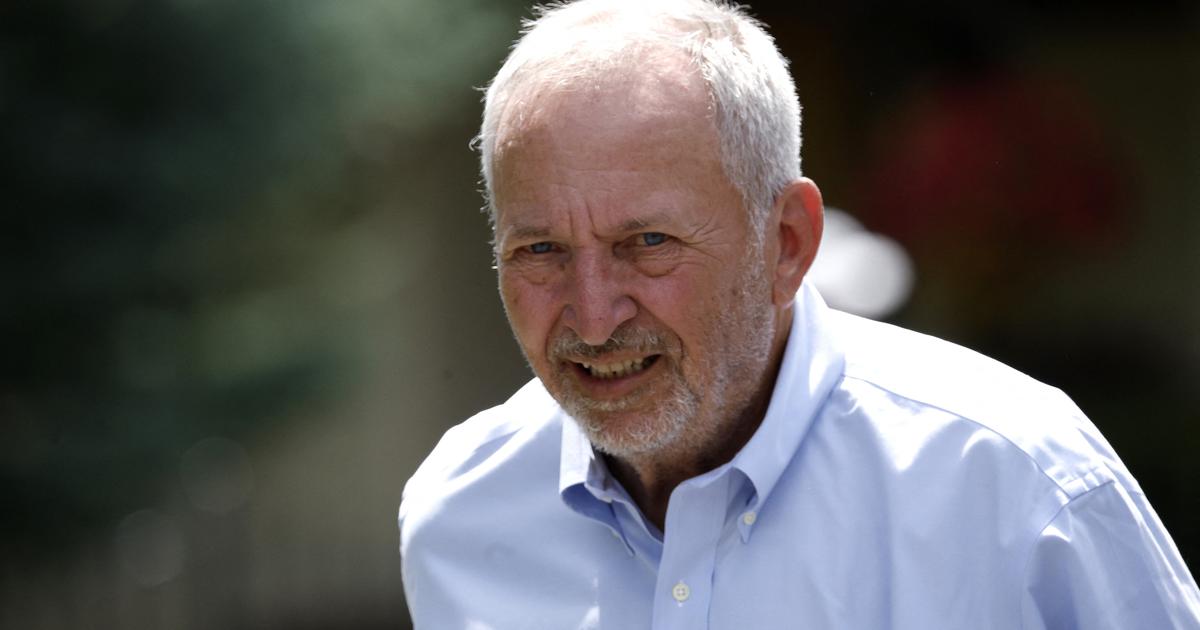
Larry Summers Resigns from Harvard Amidst Continued Scrutiny Over Epstein Ties
Former U.S. Treasury Secretary and Harvard University professor Larry Summers has announced his resignation from the institution, effective at the end of the current academic year. The decision comes after increased scrutiny surrounding his past relationship with convicted sex offender Jeffrey Epstein, following the release of numerous documents detailing their correspondence. Summers had previously stepped back from public commitments in November but continued in his teaching role, a position he now relinquishes as Harvard conducts an ongoing review of the disclosed materials. This marks the latest fallout from the Epstein scandal, which continues to implicate prominent figures across various sectors.
The resignation, confirmed by a Harvard spokesperson on Wednesday, February 25, 2026, brings to a close a decades-long association between Summers and the university, punctuated by a distinguished career that included a term as Harvard’s president from 2001 to 2006. Summers will remain on abandon until his official retirement. The situation underscores the lasting repercussions of association with Epstein, even for individuals who have not been accused of wrongdoing. The controversy highlights the tough position universities and other institutions face when grappling with the legacies of individuals linked to such egregious crimes.
A History of Public Service and Academic Distinction
Larry Summers’ career has been marked by significant roles in both public service and academia. He served as Secretary of the Treasury under President Bill Clinton from 1999 to 2001, playing a key role in shaping economic policy during a period of sustained growth. As CBS News reported, he later served as Director of the National Economic Council under President Barack Obama from 2009 to 2011, advising on economic recovery efforts following the 2008 financial crisis. Prior to his government service, and following his presidency at Harvard, Summers held the position of Charles W. Eliot University Professor, one of Harvard’s most prestigious professorial appointments, and co-directed the Mossavar-Rahmani Center for Business and Government at the Kennedy School.
Despite his extensive contributions to economic thought and policy, Summers’ association with Epstein has cast a long shadow. The release of emails and other documents revealed a closer relationship than previously acknowledged, prompting widespread criticism and calls for accountability. Even as Summers has not been accused of any criminal activity, the nature of the correspondence raised questions about his judgment and the appropriateness of his interactions with Epstein. He has consistently maintained that he did not know about Epstein’s criminal behavior.
The Epstein Connection and its Repercussions
The renewed scrutiny stems from documents released by the House Oversight Committee in November 2025, which included numerous messages between Summers and Epstein. According to the New York Times, these communications revealed discussions on a range of topics, including academic matters and philanthropic endeavors. The extent of the relationship, as revealed in these documents, prompted Summers to step back from several public roles, including his position on the board of OpenAI, an artificial intelligence research company, and contributions to Bloomberg News, The New York Times, and the Center for American Progress.
The case of Jeffrey Epstein has triggered investigations and legal proceedings involving numerous high-profile individuals. Epstein was arrested in July 2019 on federal charges of sex trafficking of minors in Florida and New York. He died by suicide while in jail awaiting trial in August 2019. The ongoing legal fallout and the release of court documents continue to reveal connections between Epstein and influential figures, leading to increased public pressure for transparency and accountability. The details of Epstein’s crimes and his network of associates have sparked widespread outrage and calls for systemic change.
Harvard’s Response and the Broader Implications
Harvard University initiated a review of documents related to Jeffrey Epstein following the release of the materials. The university’s acceptance of Summers’ resignation is a direct result of this ongoing examination. Jason Newton, a Harvard spokesperson, stated that the decision was made “in the context of the university’s ongoing review of documents related to Jeffrey Epstein that have recently been made public by the government.” The university’s response reflects a growing awareness of the necessitate to address associations with individuals accused of serious misconduct.
Summers, in his statement announcing his retirement, expressed gratitude for his time at Harvard, spanning 50 years as a student and faculty member. He stated his intention to focus on research, analysis, and commentary on global economic issues in his post-Harvard career. “Free of formal responsibility, as President Emeritus and a retired professor, I look forward in time to engaging in research, analysis, and commentary on a range of global economic issues,” he said. However, the circumstances surrounding his departure undoubtedly represent a significant setback for a figure who once held a prominent position in both academic and political circles.
Financial Contributions and Philanthropic Ties
Records indicate that Larry Summers made substantial financial contributions to Harvard University over the years. As reported by CNBC, Summers donated approximately $9.1 million to the university between 1998 and 2008. These donations were made during his time as president of Harvard and afterward, supporting various academic programs and initiatives. The financial ties further underscore the complexity of the relationship between Summers and the institution, and the challenges of disentangling past associations from present-day ethical considerations.
The case also raises broader questions about the role of philanthropy and the scrutiny of donors’ backgrounds. Universities and other non-profit organizations often rely on donations from wealthy individuals, but they face increasing pressure to ensure that these contributions are not tainted by unethical or illegal activities. The Epstein scandal has prompted a reevaluation of donor vetting processes and a greater emphasis on transparency in philanthropic giving.
The timing of Summers’ resignation coincides with upcoming Congressional hearings related to the Epstein case. Former Secretary of State Hillary Clinton is scheduled to testify before the House Oversight Committee on February 26, 2026, and her husband, former President Bill Clinton, will appear before the committee on February 27, 2026. Both Clintons had a long-standing friendship with Epstein, and their testimony is expected to shed further light on the extent of his network and influence.
This situation serves as a stark reminder of the enduring consequences of association, even in the absence of direct wrongdoing. The scrutiny surrounding Larry Summers’ ties to Jeffrey Epstein has ultimately led to the end of his distinguished career at Harvard, highlighting the importance of ethical considerations and accountability in positions of power and influence. The ongoing investigations and legal proceedings related to Epstein are likely to continue to reveal further connections and implications for years to come.
As the legal proceedings surrounding the Epstein case continue, and as institutions grapple with the fallout from associations with individuals involved in such crimes, the need for transparency and accountability remains paramount. The upcoming Congressional hearings are expected to provide further insights into the extent of Epstein’s network and the broader implications of his actions.
Key Takeaways:
- Larry Summers has resigned from his position at Harvard University due to his connections with Jeffrey Epstein.
- The resignation follows the release of documents detailing correspondence between Summers and Epstein.
- Summers had previously stepped back from other public roles in response to the controversy.
- Harvard University is conducting a review of documents related to Epstein.
- The case highlights the broader implications of the Epstein scandal and the need for accountability.
The situation remains fluid, and further developments are expected as the Congressional hearings unfold. We will continue to provide updates as more information becomes available. Share your thoughts on this developing story in the comments below.
Worth a look