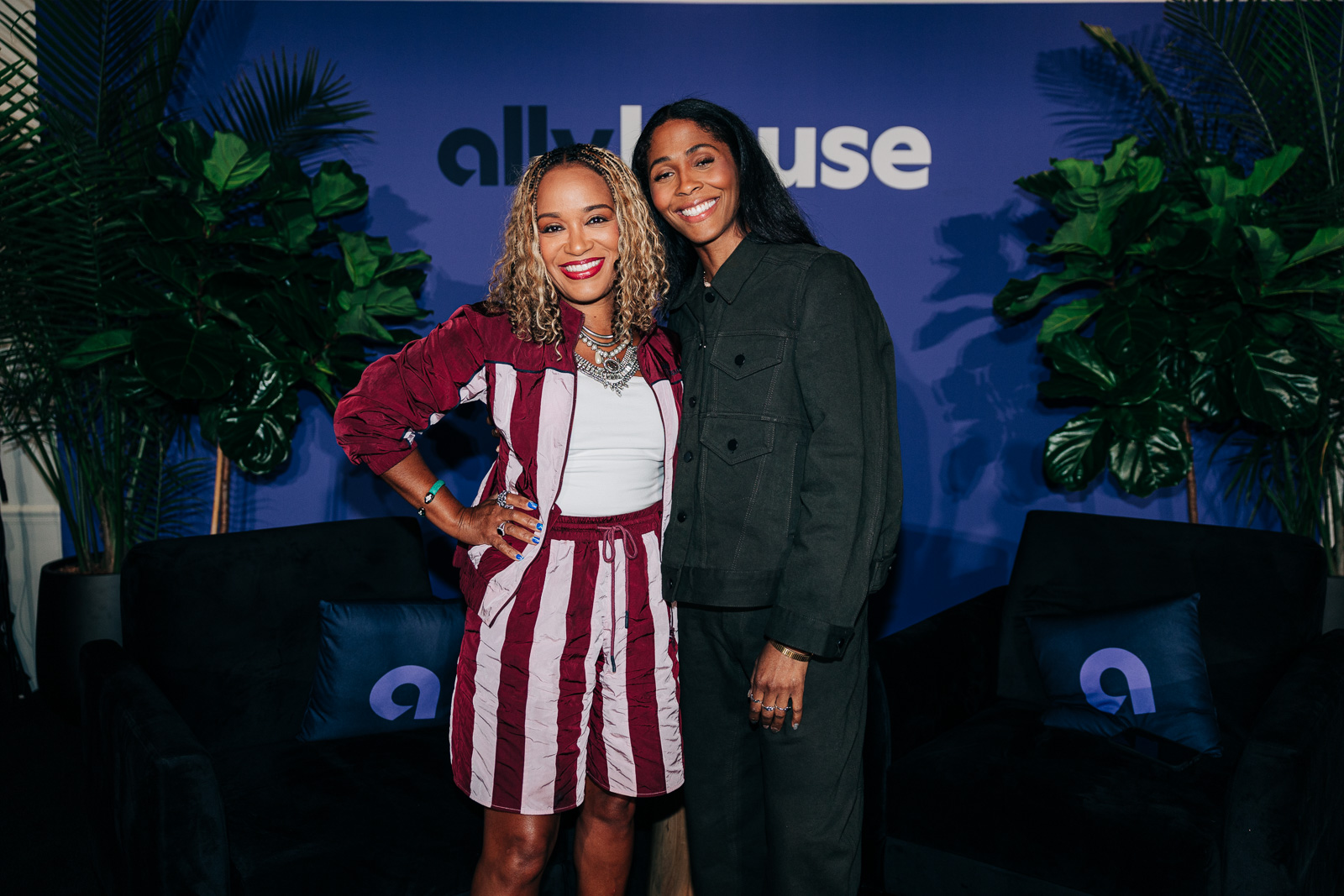
The Women’s National Basketball Association is experiencing an unprecedented surge in economic value, characterized by rising television ratings, sold-out arenas weeks in advance, and substantial corporate investment. However, as league stakeholders note, visibility alone does not automatically generate sustainable long-term wealth for the athletes driving the sport’s meteoric rise.
During the WNBA All-Star Weekend events in Chicago, conversations among players and financial executives shifted toward a critical long-term objective: ensuring that today’s record-breaking momentum transforms into lasting financial security. For players such as Napheesa Collier, Sydney Colson, and Breanna Stewart, navigating this new financial landscape requires moving beyond traditional savings strategies to embrace comprehensive financial literacy, investment, and wealth building.
Historically, women athletes have often faced compressed career spans and lower peak earning potentials compared to their male counterparts, making disciplined financial planning an absolute necessity rather than a luxury. With new capital flowing into women’s sports at an accelerated pace, institutional partners and players alike are prioritizing education to safeguard future generations.
Evolving Beyond Basic Savings
For WNBA players, early financial approaches often focused narrowly on simple accumulation rather than strategic growth. Sydney Colson noted that her understanding of money management has evolved significantly over the course of her professional career.
“I used to think that just saving was enough,” Colson said, reflecting on the realization that long-term security demands a proactive blueprint. “But I’m learning that it’s good to have a plan, so you’re not getting to the end of playing or the end of whatever career you’re in and realizing 10 years have gone by, and you haven’t done anything to help yourself.”
Colson also emphasized the profound difference corporate partners can make when their commitment transcends short-term marketing campaigns. Pointing to Ally—which stood among the first brands to invest in her and maintained its partnership even after she sustained an ACL tear—Colson highlighted how durable backing directly impacts an athlete’s capacity to build generational wealth.
Napheesa Collier echoed these sentiments, pointing out that the finite nature of an athletic career heightens the urgency for financial education. With potential shifts on the horizon under a new collective bargaining agreement, Collier wishes she had mastered budgeting immediately upon receiving her first professional paycheck. Now navigating her career alongside motherhood, her motivations have expanded to encompass family legacy. “Everything I do is for her,” Collier said of her daughter. “Making sure she’s set up and that I’m putting us as a family in the best position possible is really important to me.”
Redefining Athlete Success Through Investing
For Breanna Stewart, the markers of professional success have likewise shifted away from purely on-court accolades toward broader societal and economic impact. “At first, it was success on the court, and now it’s so much bigger than that,” Stewart observed. “It’s about being impactful and making sure that I leave my mark everywhere I go.”
Stewart emphasized that today’s players must actively transition into students of investing. Because generational wealth has historically been rare among women athletes, the influx of modern capital requires heightened preparedness. “It hasn’t happened often,” Stewart said regarding wealth accumulation across women’s professional sports. “Now with so much more money coming in, you want to be prepared.”
Recognizing these unique challenges, corporate sponsors are increasingly embedding educational frameworks into their athlete relationships. Jackie Howard, Ally’s Head of Money Wellness, advocates for a holistic approach to financial wellness that begins with examining deeply ingrained personal attitudes toward money. According to Howard, an individual’s financial habits are inextricably linked to inherited beliefs and values.
“Your money should be a reflection of who you are,” Howard said, noting that spending, saving, and giving decisions stem directly from personal values. She added that a primary psychological hurdle for many individuals is the misconception that they must master personal finance before taking their first steps. “I just need you to try,” Howard advised. “The more reps you have, the more confidence you build.”
Aligning Sponsorship with Lasting Education
As corporate entities expand their financial footprint across women’s athletics, strategies are moving past conventional brand placement. Andrea Brimmer, Ally’s Chief Marketing and Public Relations Officer, explained how the organization’s philosophy has adapted alongside the league’s rapid commercial expansion.
“Our approach has evolved from helping create visibility for women’s sports to ensuring the spotlight they’re garnerning now never fades,” Brimmer stated. By utilizing athlete narratives to demystify complex financial concepts, the brand aims to foster an environment where players and fans alike feel equipped to build long-term security.
“Sponsorship can raise awareness, but education creates lasting impact,” Brimmer noted. “If someone walks away feeling more empowered to ask questions, start investing or simply have more open conversations about money, that’s a win.”
As the WNBA navigates its historic cultural breakthrough, the formulation of its financial legacy remains an ongoing project. By pairing rising compensation packages with rigorous financial literacy, today’s players aim to redefine what generational wealth means for the athletes and families who follow in their footsteps.
The league and its players will continue addressing these economic frameworks as new labor agreements and commercial partnerships develop. Readers are encouraged to share their thoughts and join the conversation in the comments section below.