Washington D.C. – The Trump administration has formally requested that the U.S. Supreme Court intervene, seeking to lift lower court rulings that have blocked the administration’s efforts to end Temporary Protected Status (TPS) for Syrian nationals currently residing in the United States. This move, filed on Thursday, February 26, 2026, represents the latest chapter in a series of legal battles over the administration’s immigration policies and its attempts to curtail protections for migrants from several countries. The case centers on the authority of the Executive Branch to terminate TPS designations and the legal challenges brought forth by beneficiaries who argue such terminations are arbitrary and unlawful.
The Department of Justice is appealing rulings from both a New York judge and a subsequent decision by an appeals court, which had previously halted the Department of Homeland Security’s (DHS) decision to end TPS for Syrians. This isn’t an isolated incident; the administration has previously secured Supreme Court rulings allowing it to end similar protections for migrants from Venezuela. The government argues that the situation facing Syrians does not warrant continued TPS designation, a position contested by legal advocates and the TPS holders themselves. Approximately 6,100 people from Syria currently benefit from TPS, allowing them to legally live and work in the U.S. After fleeing armed conflict in their home country, according to court documents.
The Legal Battle Over Temporary Protected Status
Temporary Protected Status (TPS) is a statutory program established by Congress in 1990. As CBS News reports, the program provides temporary immigration protections to migrants from countries experiencing armed conflict, natural disasters, or other extraordinary and temporary conditions that make it unsafe for them to return home. Designations can last up to 18 months and are subject to renewal. The program doesn’t offer a path to permanent residency, but it allows beneficiaries to live and work in the U.S. Without fear of deportation during the designated period.
The Trump administration has consistently sought to end TPS designations for several countries, including Venezuela, Afghanistan, Cameroon, Nepal, Honduras, and Nicaragua. These efforts have faced numerous legal challenges, with courts often siding with TPS holders who argue that the terminations were politically motivated or did not adequately consider the ongoing conditions in their home countries. The administration’s argument, as presented in the Syria case, hinges on the assertion that the conditions in Syria, while still tough, no longer meet the legal threshold for TPS designation. Solicitor General D. John Sauer, in the emergency appeal to the Supreme Court, characterized the lower court ruling as “indefensible” and inconsistent with previous Supreme Court decisions regarding Venezuela.
Kristi Noem and the DHS Decision
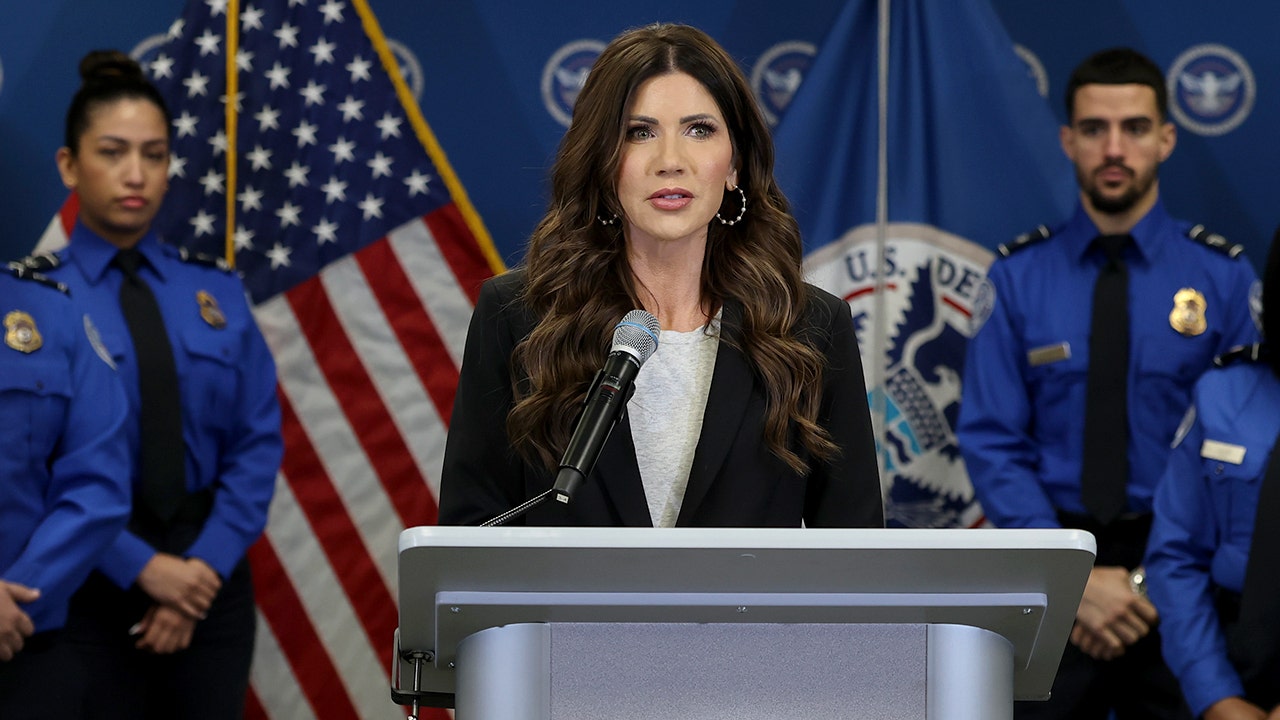
The specific decision being challenged involves former Secretary of Homeland Security Kristi Noem’s termination of the TPS designation for Syria, initially slated to take effect last November. According to The Hill, a U.S. District court in New York ruled that Noem’s decision likely violated federal law and was based on “political influence.” The appeals court upheld this ruling, prompting the administration to seek intervention from the Supreme Court.
The legal challenge alleges that Noem did not adequately consider the ongoing humanitarian crisis in Syria when making her decision. Critics argue that ending TPS for Syrians would expose vulnerable individuals to potential persecution, violence, and instability upon their return. The administration maintains that it followed proper procedures and that the decision was based on a thorough assessment of the conditions in Syria. The case raises fundamental questions about the scope of executive authority in immigration matters and the extent to which political considerations can influence administrative decisions.
Syria’s TPS Designation History
Syria was initially designated for TPS in 2012 during the Obama administration, a response to the escalating violence and “brutal crackdown” by the Assad regime, as reported by CBS News. The designation was repeatedly extended in subsequent years as the Syrian civil war continued to rage. The Trump administration’s attempt to end the designation marks a significant shift in policy, reflecting a broader effort to restrict immigration and limit access to humanitarian protections.
The administration’s actions have drawn criticism from human rights organizations and immigration advocates, who argue that ending TPS for Syrians would be a violation of international law and moral obligations. These groups contend that the situation in Syria remains precarious and that returning TPS holders would face significant risks. The Supreme Court’s decision in this case could have far-reaching implications for the future of TPS and the rights of migrants from other countries facing similar circumstances.
Implications for TPS Holders and the U.S.
If the Supreme Court sides with the Trump administration, the approximately 6,100 Syrian TPS holders could lose their legal authorization to work in the United States and grow subject to deportation proceedings. This would have a significant impact on their lives and livelihoods, as well as on the U.S. Economy. Many TPS holders have established families and businesses in the U.S. And contribute to the country’s economic vitality.
The case similarly raises broader questions about the future of TPS as a humanitarian program. If the Supreme Court continues to uphold the administration’s efforts to end TPS designations, it could create a chilling effect on future administrations’ willingness to grant or extend TPS protections to countries facing crises. This could leave vulnerable populations without a safe haven in the U.S. And exacerbate humanitarian challenges in their home countries.
The Supreme Court’s decision is expected in the coming months. The justices have previously demonstrated a willingness to allow the administration to end TPS for some countries while litigation is ongoing, but the outcome of the Syria case remains uncertain. The court’s ruling will likely be closely watched by immigration advocates, legal scholars, and policymakers alike, as it could set a precedent for future immigration disputes.
The legal arguments presented by both sides are complex and involve interpretations of federal law and constitutional principles. The administration argues that it has the authority to terminate TPS designations based on its assessment of conditions in the designated countries. Opponents argue that the administration’s decisions are arbitrary and capricious and that they violate the principles of due process and equal protection. The court’s decision will likely hinge on its interpretation of these legal principles and its assessment of the evidence presented by both sides.
This case underscores the ongoing debate over immigration policy in the United States and the challenges of balancing national security concerns with humanitarian obligations. The outcome will have significant consequences for thousands of Syrian nationals and could shape the future of TPS for years to come.
The next step in this legal battle is for the Supreme Court to hear oral arguments, the date for which has not yet been set. Following oral arguments, the justices will deliberate and issue a written opinion, which is expected to provide a detailed explanation of their reasoning. Readers seeking further information on this case can consult the official court filings and updates from the Department of Justice. We encourage readers to share their thoughts and perspectives on this important issue in the comments section below.
Keep reading