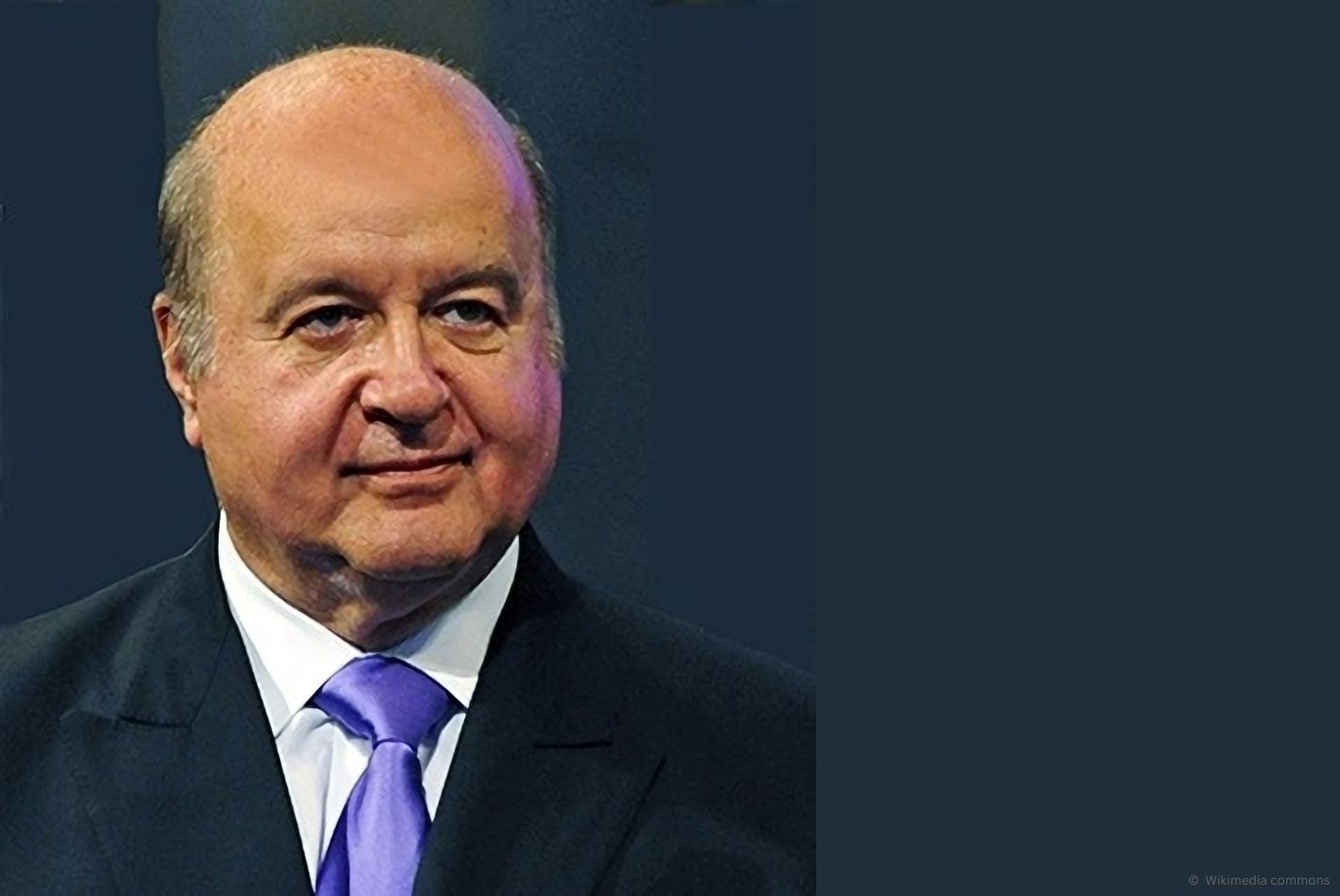
Lima, Peru – In a move that has surprised many observers, Peruvian President Dina Boluarte has appointed renowned economist Hernando de Soto as her new Prime Minister. The appointment, announced on February 23, 2026, signals a potential shift in the country’s economic policy, placing a long-time advocate for property rights and formalization of the informal economy at the helm of government. De Soto’s appointment comes at a critical juncture for Peru, as the nation navigates economic challenges and seeks to address widespread inequality. This decision marks a rare instance of a prominent economic theorist transitioning directly into a key executive role, prompting both excitement and scrutiny.
Hernando de Soto is internationally recognized for his work on the importance of secure property rights for economic development. His central argument, articulated most famously in his influential book The Mystery of Capital (2000), posits that the poor in developing countries often possess assets – homes, land, small businesses – but lack the formal legal titles necessary to leverage those assets for economic advancement. Without legal recognition, these assets remain “dead capital,” unable to be used as collateral for loans, easily sold, or invested to generate further wealth. De Soto’s work challenges conventional wisdom about poverty and development, suggesting that the key to unlocking economic potential lies not simply in providing capital, but in establishing clear and enforceable property rights.
The Architect of Formalization: De Soto’s Early Career and Influence
De Soto’s career has been deeply rooted in practical application of his theories. He founded the Institute for Liberty and Democracy (ILD) in Peru in 1980, and through this organization, he has spearheaded numerous initiatives aimed at formalizing the informal economy. In Peru, he argued that the violent insurgency of the Shining Path (Sendero Luminoso) thrived, in part, because the state excluded millions of Peruvians from the formal economic system. By providing access to property titles and legal recognition for informal businesses, De Soto believed, the state could undermine the support base for the guerrilla movement. Under the presidency of Alberto Fujimori in the 1990s, Peru launched large-scale programs to formalize land titles, a direct result of De Soto’s advocacy and the ILD’s research. These programs aimed to integrate millions into the formal economy, granting them legal ownership of their assets and access to credit and other financial services.
However, this work wasn’t without risk. The ILD itself became a target for the Shining Path, and in 1992, a car bomb exploded outside the institute’s headquarters in Lima, highlighting the high stakes involved in challenging the status quo and empowering marginalized communities. The attack underscored the powerful interests threatened by De Soto’s efforts to formalize property rights and integrate the informal sector into the mainstream economy.
Beyond Peru: Applying the “Mystery of Capital” to Global Challenges
De Soto’s influence extends far beyond Peru. He has applied his analysis to understand and address economic and political instability in various regions around the world. Notably, he offered a unique perspective on the Arab Spring uprisings, arguing that the revolts were not primarily driven by ideological or religious factors, but by the economic frustration of a vast population of informal entrepreneurs denied secure property rights. He pointed to the case of Mohamed Bouazizi, the Tunisian street vendor whose self-immolation sparked the initial protests, as a symbol of the daily humiliation faced by those who possess assets but lack legal protection. Bouazizi was unable to obtain legal recognition for his vending business, a situation De Soto argued was emblematic of the systemic exclusion that fueled the uprisings. The Council on Foreign Relations hosted an event discussing the economic roots of the Arab Spring, reflecting the growing recognition of De Soto’s insights.
De Soto has also been a vocal critic of the work of French economist Thomas Piketty, particularly Piketty’s focus on capital concentration. He argues that Piketty’s analysis overlooks the vast amount of informal capital in developing economies, which is not captured by traditional economic statistics. According to El Comercio, De Soto believes that the root of poverty and violence is not capital itself, but rather the lack of it, a perspective that directly challenges Piketty’s arguments about the inherent tendencies of capitalism to exacerbate inequality.
Boluarte’s Gamble: What De Soto’s Premiership Could Mean for Peru
President Boluarte’s decision to appoint De Soto as Prime Minister represents a significant gamble. De Soto’s theories are often associated with free-market principles and a limited role for government intervention, which may clash with some of Boluarte’s previous policy positions. However, his expertise in formalizing the economy and promoting property rights could be crucial for addressing Peru’s persistent challenges with informality, which affects a large portion of the population and hinders economic growth. Approximately 70% of Peru’s workforce is estimated to be employed in the informal sector, according to World Bank data, highlighting the scale of the challenge.
One of the key tasks facing De Soto’s government will be to navigate the complex political landscape in Peru. Boluarte herself assumed office in December 2022 following the impeachment and arrest of former President Pedro Castillo, creating a period of political instability. De Soto will need to build consensus among different political factions and address the concerns of various stakeholders to effectively implement his economic agenda. His success will depend on his ability to translate his theoretical insights into practical policies that benefit all Peruvians, particularly those who have been historically excluded from the formal economy.
Potential Policy Directions
Analysts suggest several areas where De Soto’s influence could be felt. These include streamlining the process of registering businesses, simplifying land titling procedures, and expanding access to financial services for informal entrepreneurs. He may also advocate for reforms to reduce bureaucratic obstacles and promote competition, creating a more favorable environment for investment and job creation. De Soto’s focus on property rights could lead to initiatives aimed at protecting indigenous land rights and resolving land conflicts, which have been a source of social unrest in Peru.
The appointment also comes as Peru faces ongoing economic headwinds, including slowing global growth and rising inflation. De Soto’s experience in navigating economic crises and promoting market-oriented reforms could be valuable in addressing these challenges. However, he will also need to address concerns about social equity and ensure that the benefits of economic growth are shared broadly across the population.
The appointment of Hernando de Soto as Prime Minister marks a pivotal moment for Peru. His unique blend of economic theory and practical experience offers the potential to unlock the country’s economic potential and address its deep-seated inequalities. However, the success of his premiership will depend on his ability to navigate the complex political landscape and build consensus around a shared vision for Peru’s future. The coming months will be crucial in determining whether De Soto can translate his ideas into tangible results and deliver on his promise of a more inclusive and prosperous Peru.
The next key date to watch is the presentation of De Soto’s government plan to the Peruvian Congress, expected within the next 30 days. This will provide a clearer indication of his policy priorities and his strategy for addressing the country’s challenges. Readers are encouraged to follow developments in Peru and engage in constructive dialogue about the potential impact of De Soto’s leadership.
Related reading