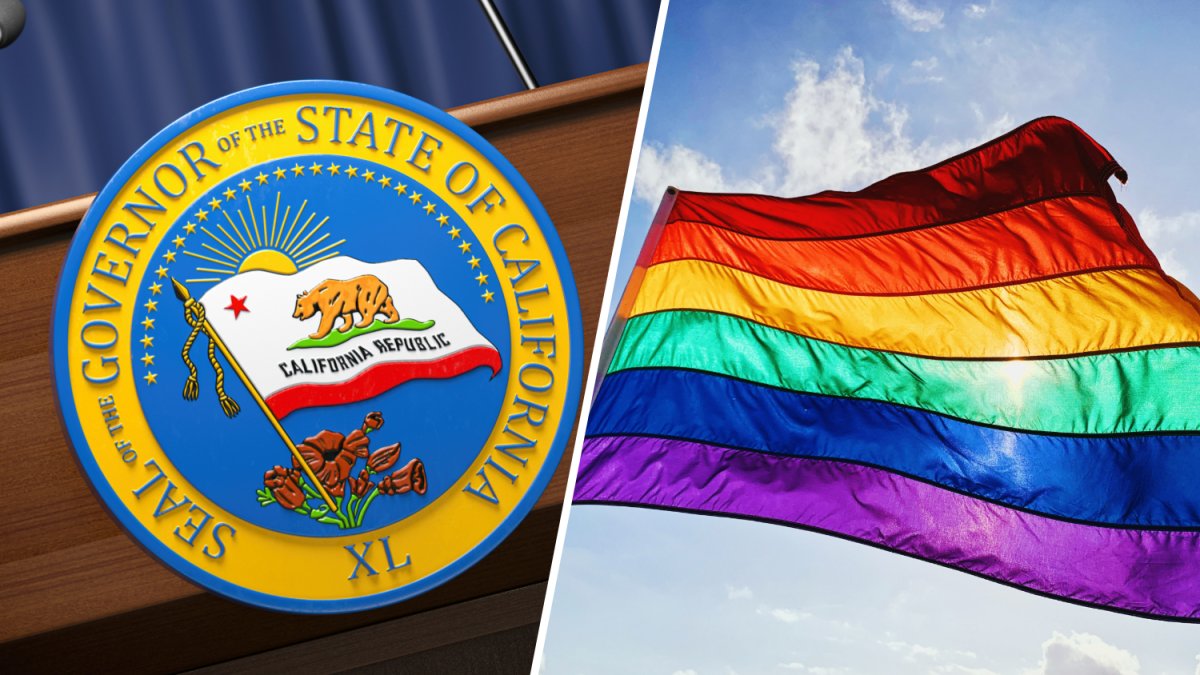
California’s gubernatorial race is taking shape as a crowded field of Democratic candidates vie for the opportunity to succeed Gavin Newsom, who is term-limited in 2026. A recent forum hosted by NBCLA brought together seven Democratic contenders to discuss issues critical to the LGBTQ+ community, revealing both common ground and points of divergence among the hopefuls. The forum, notably absent of Republican participation, highlighted the priorities of a diverse group of candidates as they seek to appeal to a broad electorate in a state known for its progressive policies. The race for governor is currently fluid, with polls indicating no clear frontrunner, and the upcoming months will be crucial in defining the candidates’ positions and securing voter support.
The candidates—Xavier Becerra, Katie Porter, Eric Swalwell, Tony Thurmond, Tom Steyer, Antonio Villaraigosa, and Betty Yee—each presented their records and proposals concerning healthcare access, educational equity, public safety, and addressing homelessness, with a particular focus on the needs of LGBTQ+ Californians. While all participants affirmed their commitment to LGBTQ+ rights, nuances emerged in their approaches and self-assessments of their past performance. The forum also provided a platform for candidates to distinguish themselves from one another and, in some cases, to publicly disagree with the direction of the current administration. The absence of Republican candidates from the discussion underscores the current political landscape in California, where Democrats hold a significant advantage in statewide elections.
The forum took place against a backdrop of evolving political dynamics in California, with ongoing debates about the balance between progressive ideals and broader political appeal. Recent polling data from the Public Policy Institute of California (PPIC) suggests a competitive race, with several candidates vying for the top spot. The February 2026 PPIC survey identified Steve Hilton, Katie Porter, Chad Bianco, Tom Steyer, and Eric Swalwell as leading contenders, though a significant percentage of voters remain undecided. This uncertainty highlights the potential for a dynamic and unpredictable election cycle, where voter preferences could shift significantly in the coming months. The lack of a clear frontrunner suggests that the candidates will necessitate to aggressively campaign and articulate their visions for the state to gain traction with voters.
Self-Assessment and Records on LGBTQ+ Issues
A recurring theme throughout the forum was the candidates’ self-evaluation of their commitment to LGBTQ+ rights. All seven participants touted their records on these issues, with several assigning themselves an “A” or “A+” grade. Xavier Becerra, drawing on his extensive experience in public office, including his tenure as California Attorney General and U.S. Secretary of Health and Human Services, emphasized his long-standing advocacy for the LGBTQ+ community. He asserted a “history that runs longer than anyone who’s running for governor” in terms of allyship. Antonio Villaraigosa, the former mayor of Los Angeles, also gave himself an “A+,” while Katie Porter, a UC Irvine professor and former congresswoman, offered a more measured assessment, stating she doesn’t believe in “A pluses” and would give herself an “A,” acknowledging there is “always work to be done.”
Porter Challenges Newsom’s Approach to “Cultural Normalcy”
One notable moment of divergence came when Katie Porter addressed the question of whether Democratic leaders, including Governor Gavin Newsom, should prioritize achieving “cultural normalcy” on identity politics. Porter explicitly disagreed with this approach, arguing that elected leaders should not be “in judgement of what is normal.” She articulated a vision where all Californians, “regardless of their gender identity or their sexual orientation,” should have the opportunity to “thrive.” This statement positions Porter as a more progressive voice in the race, potentially appealing to voters who prioritize inclusivity and social justice. Newsom has previously advocated for a more moderate approach, seeking to broaden the Democratic Party’s appeal to a wider range of voters. This difference in perspective highlights a key debate within the Democratic Party regarding the best path forward in a politically polarized environment.
Thurmond’s Confrontational Stance and Legislative Efforts
State Superintendent of Public Instruction Tony Thurmond delivered a particularly forceful statement during the forum, recounting instances where he faced verbal threats and intimidation while defending the rights of LGBTQ+ students at school board meetings. He described being surrounded by armed individuals who, he alleged, “intended to” physically assault him. In a striking gesture, Thurmond displayed a middle finger salute towards those he opposed. Following these confrontations, he spearheaded the passage of Assembly Bill 1955, also known as the California Support Academic Futures and Educators for Today’s Youth (SAFETY) Act. Assembly Bill 1955 aimed to protect student privacy by prohibiting teachers and school staff from disclosing a student’s gender identity to their parents without the student’s consent. Though, the U.S. Supreme Court recently issued a ruling blocking California from enforcing the SAFETY Act, a development that underscores the ongoing legal battles surrounding LGBTQ+ rights and student privacy.
The Potential for a Republican Runoff
Given the crowded field of Democratic candidates, analysts have suggested the possibility of two Republican candidates advancing to the November runoff. The aforementioned PPIC survey indicated that Steve Hilton, a conservative commentator, and Chad Bianco, the Riverside County sheriff, were among the top five contenders. While the Democratic candidates currently hold a significant advantage in California, the fragmentation of the Democratic vote could create an opening for Republican candidates to capitalize on voter dissatisfaction or appeal to specific segments of the electorate. The survey also revealed that 10% of California voters surveyed were undecided, further highlighting the fluidity of the race. Katie Porter acknowledged this dynamic, stating she was “polling at the top of the field” but expressed discomfort at potentially being positioned between Hilton and Bianco in the rankings.
Alignment and Endorsements Among Democratic Candidates
When asked about potential endorsements within the Democratic field, most candidates declined to answer. However, Antonio Villaraigosa, Tom Steyer, and Betty Yee were exceptions. Steyer stated he rarely disagrees with the former state controller, and Villaraigosa concurred that his political views were most aligned with Yee’s. Yee reciprocated, expressing respect for both Villaraigosa and Steyer, and lauded Villaraigosa as “the biggest champion” for the LGBTQ+ community. She also highlighted Steyer’s unique perspective as a candidate who has not previously held public office, bringing “something new to the arena.” These expressions of mutual respect and alignment suggest potential areas of collaboration and shared priorities among these candidates.
The California gubernatorial race remains highly competitive, with a diverse range of candidates vying for the state’s highest office. The NBCLA forum provided a valuable opportunity for voters to hear directly from the contenders on issues of importance to the LGBTQ+ community and to assess their qualifications and visions for the future of California. As the election draws closer, the candidates will continue to refine their messages and compete for voter support, and the outcome remains uncertain.
The next key date in the election cycle is the filing deadline for candidates, which is March 14, 2026. Following the filing deadline, the field of candidates will be finalized, and the primary election will be held on June 2, 2026. The California Secretary of State’s website provides detailed information about the election schedule and voter registration deadlines. We encourage readers to stay informed about the candidates and their positions on the issues and to participate in the democratic process by casting their votes.
Keep reading