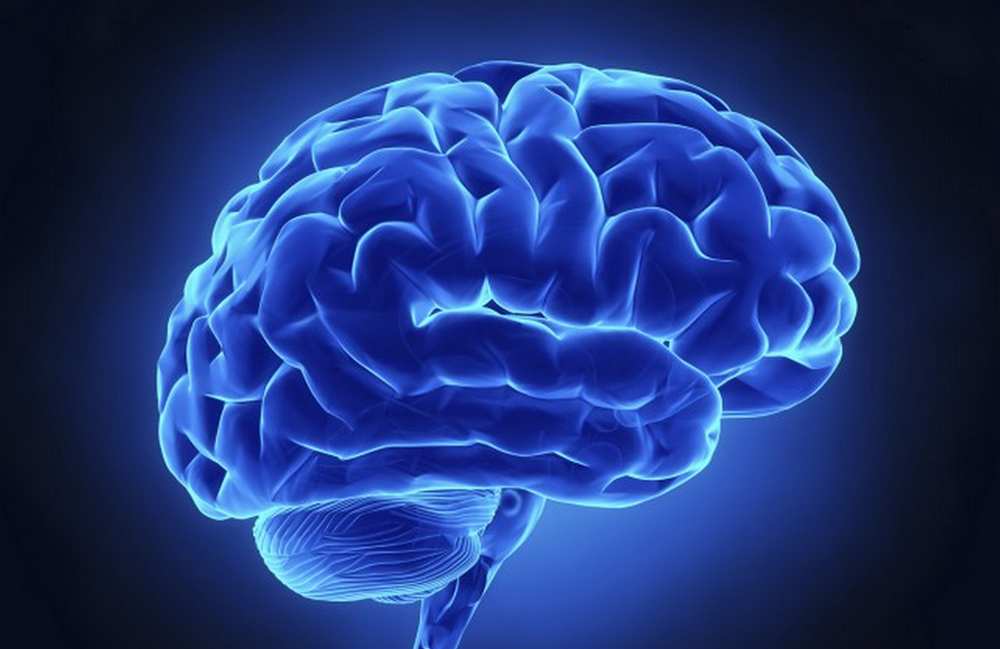
Toulouse is gearing up for a week dedicated to unraveling the complexities of the human brain. From March 10th to 16th, 2025, the city will host a series of events as part of “La Semaine du Cerveau” (Brain Week), a nationwide initiative aimed at increasing public awareness of neuroscience research. This year’s program, a collaborative effort between the Toulouse Mind Brain Institute (TMBI), the CNRS (French National Centre for Scientific Research), and various academic partners, promises a diverse range of activities, including conferences, workshops, and ciné-debates – film screenings followed by discussions.
The annual Brain Week, coordinated in France by the Society of Neuroscience, is an international event taking place in approximately one hundred countries. The initiative seeks to demystify the brain and highlight the crucial work being done by researchers to understand its functions, disorders, and potential. In Toulouse, the events will be primarily held at the Muséum de Toulouse and the Quai des Savoirs, a science center dedicated to making scientific concepts accessible to the public. This year’s focus aims to bridge the gap between cutting-edge research and public understanding, fostering a greater appreciation for the intricacies of the brain and its impact on our lives.
Exploring the Cognitive Links Between Humans and Animals
A key component of the Toulouse Brain Week program will be a series of conferences exploring the fascinating connections between animal and human cognition. These discussions will delve into how studying animal behavior can provide insights into the workings of the human brain, and vice versa. Researchers are increasingly recognizing that many cognitive processes are not unique to humans, and that comparative studies can reveal fundamental principles of brain function. This approach is particularly relevant in understanding the evolution of intelligence and the neural basis of behavior.
One particularly engaging event is the “Mardi Quiz” (Tuesday Quiz), an after-work science event combining a quiz with a “Science Comedy Present” at the Quai des Savoirs. This event, designed to be both entertaining and educational, encourages participants to engage their critical thinking skills even as enjoying a relaxed atmosphere. The first “Mardi Quiz” of the year, held in partnership with Brain Week, will feature Laure Verret, a researcher at the Centre de recherche sur la cognition animale à Toulouse (CRCA/CBI1 – CNRS / Université Toulouse III – Paul Sabatier). Verret’s presentation will focus on the captivating world of bioluminescence, exploring the phenomenon in jellyfish and its relevance to understanding the human brain.
cdr
The “Mardi Quiz”: Science, Comedy, and Brainpower
The “Mardi Quiz” series, a collaboration between the Quai des Savoirs and the Science Comedy Show, promises an evening of intellectual stimulation and lighthearted fun. Participants can expect a blend of challenging quizzes, engaging games, and insightful presentations from scientists discussing their research. This innovative format aims to craft science more accessible and appealing to a wider audience, demonstrating that learning about the brain can be both informative and enjoyable. The event is designed to encourage critical thinking and foster a sense of curiosity about the world around us.
Following the initial event on March 12th, additional “Mardi Quiz” sessions are scheduled for April 14th at Café Euclide (Quai des Savoirs) and May 5th and June 16th at the Eurêkafé. These ongoing events will continue to explore diverse topics in science, providing a platform for researchers to share their work and engage with the public. The Quai des Savoirs, a key venue for science outreach in Toulouse, plays a vital role in promoting scientific literacy and fostering a culture of innovation.
The Broader Impact of Brain Week and Neuroscience Research
La Semaine du Cerveau isn’t simply a local event; it’s part of a global movement to raise awareness about the importance of brain research. Understanding the brain is crucial for addressing a wide range of challenges, from neurological disorders like Alzheimer’s and Parkinson’s disease to mental health conditions such as depression and anxiety. Advances in neuroscience are also paving the way for new treatments and therapies, offering hope to millions of people affected by brain-related illnesses. The Society of Neuroscience, the coordinating body for Brain Week internationally, emphasizes the need for continued investment in brain research to accelerate these discoveries.
The CNRS, a major player in French scientific research, is actively involved in numerous neuroscience projects across the country. Their research encompasses a wide range of areas, including brain development, cognitive function, and the neural basis of behavior. The CNRS’s commitment to open science and collaboration ensures that its findings are widely disseminated and contribute to the global body of knowledge. The involvement of the TMBI in organizing the Toulouse events underscores the city’s growing reputation as a hub for neuroscience research.
research into the brain extends beyond medical applications. Understanding how the brain processes information, makes decisions, and learns has implications for fields such as education, artificial intelligence, and even marketing. The insights gained from neuroscience can inform the development of more effective teaching methods, more intelligent machines, and more persuasive communication strategies. This interdisciplinary nature of brain research highlights its relevance to a broad range of societal challenges.
The events at the Muséum de Toulouse and the Quai des Savoirs offer a unique opportunity for the public to engage with these fascinating topics and learn more about the latest advances in neuroscience. By fostering a greater understanding of the brain, Brain Week aims to empower individuals to make informed decisions about their health and well-being, and to support policies that promote brain research and innovation.
Looking ahead, the organizers of Brain Week in Toulouse are already planning for future events. The success of this year’s program will undoubtedly inspire continued efforts to engage the public with the wonders of the brain and the importance of neuroscience research. Further details about upcoming events and research initiatives can be found on the websites of the CNRS and the TMBI.
Key Takeaways:
- La Semaine du Cerveau (Brain Week) will take place in Toulouse from March 10th to 16th, 2025.
- Events will be held at the Muséum de Toulouse and the Quai des Savoirs, featuring conferences, workshops, and ciné-debates.
- The “Mardi Quiz” series offers a unique blend of science, comedy, and intellectual challenge.
- Brain Week aims to raise public awareness about the importance of neuroscience research and its impact on health, education, and society.
The organizers encourage anyone interested in learning more about the brain to attend the events and participate in the discussions. Share this article with your network and let’s continue the conversation about the most complex organ in the human body.
Keep reading
- How to Prevent Cardiovascular Disease: Expert Tips on Diet, Habits, and Heart Health
- How Weight Loss Helps Slow Down Disease Progression: Expert Insights from Sue Shapses
- Obesity Linked to Accelerated Brain Aging and Early Memory Loss (archyworldys.com)
- John Stones in advanced talks to join Inter Milan on free transfer (time.news)