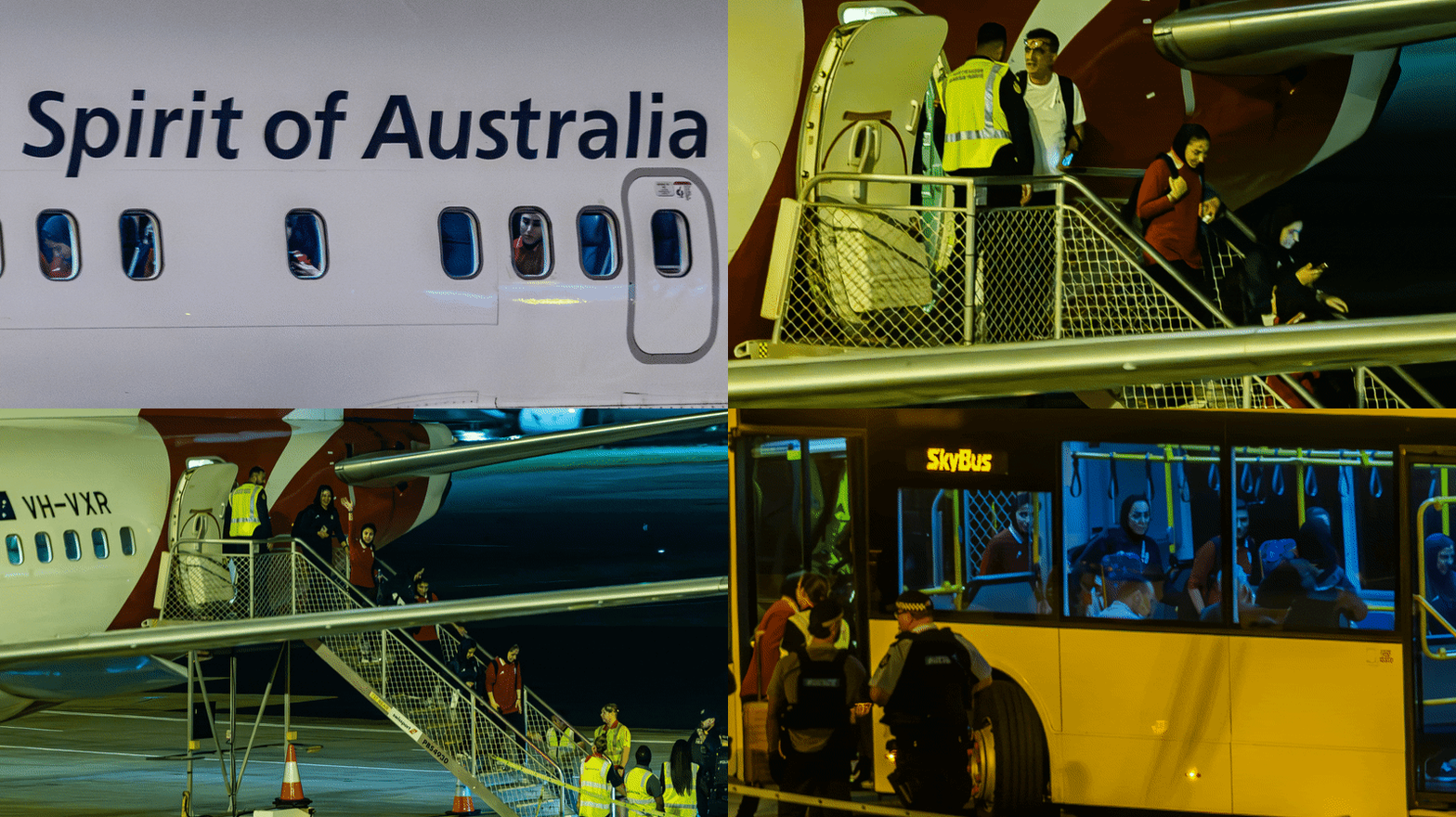
Sydney, Australia – The saga surrounding the Iranian women’s national football team continues to unfold, marked by a dramatic reversal as one player who initially sought asylum in Australia has now decided to return to Iran. This development, confirmed by Australian Home Affairs Minister Tony Burke on Wednesday, has raised concerns about potential pressure from the Iranian government and the safety of the remaining players who have been granted humanitarian visas. The situation is further complicated by accusations leveled against Australia by Iranian officials, alleging coercion and “hostage-taking,” although tensions in the Middle East are also escalating, prompting Australia to temporarily close its embassies in several regional capitals.
The initial wave of asylum requests came after the team competed in the Women’s Asian Cup on the Gold Coast. Concerns for the players’ safety grew, fueled by the political climate in Iran and reports of potential repercussions upon their return. Seven members of the team were ultimately granted humanitarian visas, offering them protection in Australia. However, the decision of 21-year-old player Mohaddeseh Zolfi to return home has introduced a new layer of complexity and anxiety. According to Minister Burke, Zolfi contacted the Iranian embassy requesting to be collected, inadvertently revealing the location of the other players who had sought refuge.
This sudden change of heart has sparked fears within the Iranian-Australian community that the Tehran regime is exerting significant pressure on the players and their families. Tina Kordostami, a community leader who assisted the team in seeking asylum, expressed deep concern, stating, “They are clearly being threatened. I am worried for the rest of them.” Sara Rafiee, a human rights activist, echoed these sentiments, emphasizing the immense pressure the players are under. The Australian government swiftly moved the remaining six players to a secure location following Zolfi’s contact with Iranian officials, prioritizing their safety in light of the evolving situation.
Propaganda and Accusations: Iran’s Response
The Iranian government has vehemently condemned Australia’s handling of the situation, with the head of the Iranian Football Federation, Mehdi Taj, accusing Australian authorities of coercing the players into seeking asylum. These accusations, as reported by The Guardian, have been firmly denied by the Australian government. Iranian state media has asserted that the players would be welcomed back to Iran without fear of punishment, framing Australia’s actions as an attempt to “frighten” the team and pressure them into seeking political asylum. This narrative aims to portray the players as victims of Australian manipulation, rather than individuals seeking protection from potential persecution.
The Iranian Foreign Affairs Ministry went further, accusing Australia of holding the players “hostage,” a particularly inflammatory charge given the current geopolitical landscape. In a post on X (formerly Twitter), spokesperson Esmail Baghaei referenced a past incident involving a Tomahawk missile attack in Minab, Iran, drawing a parallel and accusing Australia of hypocrisy. This rhetoric underscores the escalating tensions between the two nations and the potential for further diplomatic fallout. The Iranian government’s messaging appears designed to undermine Australia’s credibility and encourage the remaining players to reconsider their decision to seek asylum.
Escalating Regional Tensions and Diplomatic Repercussions
The unfolding situation with the Iranian football team is occurring against a backdrop of heightened instability in the Middle East. On Wednesday, Australian Foreign Minister Penny Wong announced the temporary closure of Australian embassies in Abu Dhabi, Dubai, and Tel Aviv due to the worsening security situation. According to reports, this decision was prompted by “dangerous and destabilising attacks by Iran” that position civilian lives, including Australian lives, at risk. While the embassy closures are not directly linked to the football team’s case, they highlight the broader regional context and the increasing volatility of the situation.
The timing of these events is particularly sensitive, raising concerns about potential Iranian retaliation or further escalation of tensions. Australia’s decision to grant asylum to the Iranian footballers has already drawn strong criticism from Tehran, and the embassy closures are likely to exacerbate the existing animosity. The Australian government is carefully navigating a delicate diplomatic path, balancing its commitment to protecting vulnerable individuals with the need to maintain regional stability.
The Players’ Plight and Community Concerns
The emotional toll on the players and their families is immense. Reports indicate that some players are facing intense pressure from the Iranian regime to return home, with threats being made against their loved ones. ABC News reported on a voice note sent by the mother of one player, pleading with her daughter not to return to Iran, fearing for her safety. The Iranian-Australian community is actively working to provide support and assistance to the players, offering legal advice, counseling, and a safe haven.
The case has also raised broader questions about the treatment of women in Iran and the risks faced by athletes who speak out against the regime. The Iranian government has a history of suppressing dissent and cracking down on individuals who challenge its authority. The players’ decision to seek asylum is a testament to the courage and resilience of Iranian women who are fighting for their rights and freedoms. The situation underscores the complex challenges faced by athletes from authoritarian regimes who seek to compete on the international stage while navigating political pressures and personal risks.
Security Measures and Future Steps
Following Mohaddeseh Zolfi’s decision to return to Iran, Australian authorities immediately implemented enhanced security measures to protect the remaining players. The team was relocated to an undisclosed secure location, and their movements are being closely monitored. Home Affairs Minister Burke emphasized the government’s commitment to ensuring the safety and well-being of the players, stating that all necessary steps are being taken to safeguard their interests. The Australian Federal Police are also involved in providing security and investigating potential threats.
The long-term implications of this case remain uncertain. The Iranian government is likely to continue its efforts to discredit Australia and pressure the remaining players to return home. The Australian government will need to carefully manage the diplomatic fallout and provide ongoing support to the players who have sought asylum. The situation also highlights the need for greater international cooperation in protecting athletes and individuals who are at risk of persecution.
The Australian government has not yet commented on the specific circumstances surrounding Zolfi’s decision to return, but it is likely that she was influenced by concerns for her family’s safety. The Iranian regime has a history of targeting the families of dissidents and activists, and Zolfi was threatened with repercussions if she did not return home. The case serves as a stark reminder of the risks faced by individuals who challenge authoritarian regimes and the importance of providing protection to those who seek refuge.
As of today, March 11, 2026, the six remaining players remain under the protection of the Australian government. Further updates on the situation are expected in the coming days as authorities continue to assess the risks and provide support to the players. The Australian government is also engaging with international partners to address the broader regional security concerns and promote stability in the Middle East. The situation remains fluid and requires careful monitoring and a coordinated response.
This developing story will continue to be monitored for further updates. We encourage readers to share their thoughts and perspectives in the comments section below.
Related reading