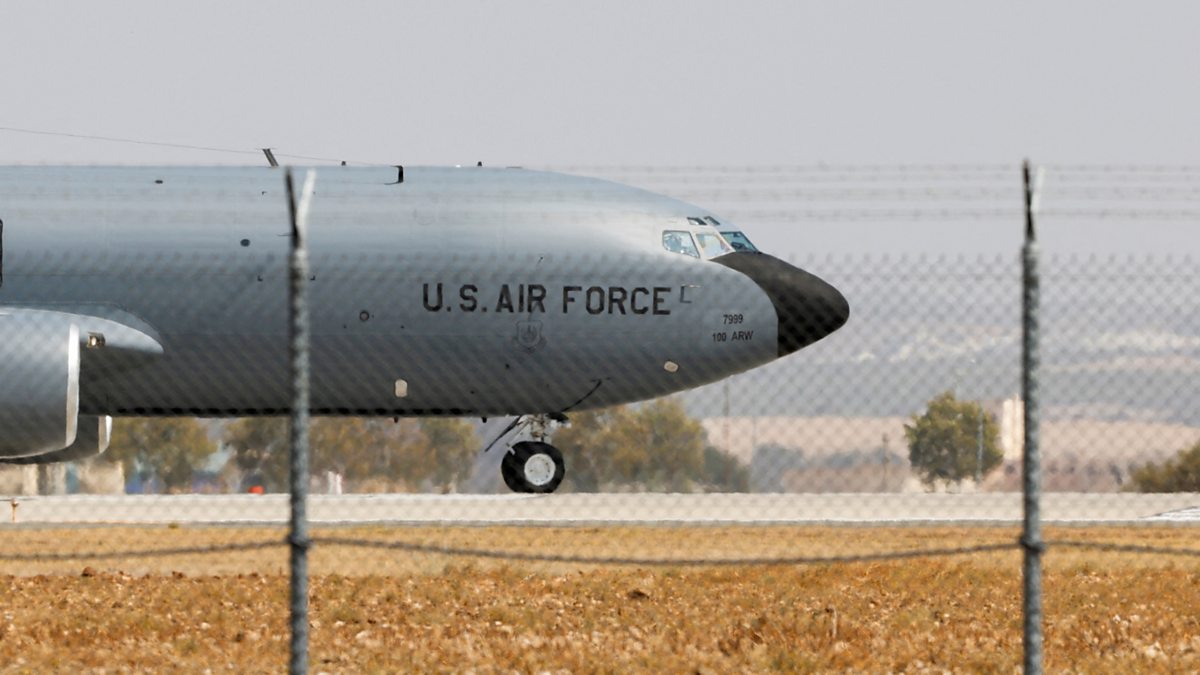
Western Iraq – A U.S. KC-135 Stratotanker aerial refueling aircraft crashed in western Iraq on Thursday, prompting a recovery effort as the status of the crew remains unknown. U.S. Officials have confirmed the incident occurred in uncontested airspace while supporting operations against Iran, which began on February 28th, and that it was not the result of hostile fire. This incident marks the fourth publicly acknowledged aircraft crash as part of “Operation Epic Fury,” highlighting increased operational tempo in the region.
The downed KC-135 was one of two aircraft involved in the incident, with the second successfully landing safely, according to a statement from U.S. Central Command (CENTCOM). While the exact circumstances surrounding the crash are still under investigation, officials have indicated that the incident did not stem from enemy action. The KC-135 is a vital component of U.S. Air power, providing in-flight refueling capabilities for a wide range of military aircraft, extending their range and operational endurance. The aircraft typically operates with a crew of three – a pilot, co-pilot, and boom operator – though older models may also include a navigator.
Details of the Crash and Ongoing Recovery Efforts
The crash occurred near Turaibil, a location along the Iraqi-Jordanian border, according to an Iraqi intelligence source. Recovery efforts are currently underway, a complex and potentially dangerous undertaking known as Tactical Recovery of Aircraft and Personnel (TRAP) missions. These missions prioritize securing the crash site to prevent sensitive equipment from falling into enemy hands and, crucially, locating and rescuing any injured or deceased crew members. The inherent risks associated with TRAP missions are amplified by the ongoing instability in the region and the presence of various armed groups.
While officials have not yet released information regarding the number of crew members aboard the downed KC-135, most KC-135s operate with a standard crew of three. The Air Force recently released mishap reports detailing three mid-refueling accidents between 2022 and 2024 involving the newer KC-46 Pegasus tanker, where the refueling boom became lodged on aircraft during routine training exercises. One 2024 incident was severe enough to rip the boom off the tanker, demonstrating the inherent risks of aerial refueling operations. Task & Purpose provides further details on the KC-135 and its operational context.
Broader Regional Context and Operation Epic Fury
The crash occurs against a backdrop of heightened tensions in the Middle East following the joint U.S.-Israeli offensive in Iran last month. This offensive has triggered a series of attacks attributed to pro-Iranian factions targeting locations where foreign forces are based as part of the international anti-jihadist coalition. Iraq’s western desert, where the crash took place, is a vast and sparsely populated area, but it also serves as a base for numerous Iran-aligned Shia militia groups and has been the site of frequent airstrikes by both the U.S. And Israel.
Operation Epic Fury, within which this incident occurred, has already seen several aircraft incidents. Just last week, three F-15E Strike Eagles were downed in a friendly-fire incident involving Kuwait, though all six crew members safely ejected. This latest KC-135 crash underscores the increased risks associated with military operations in the region and the challenges of maintaining air operations in a complex and contested environment. The ongoing conflict and the presence of multiple actors create a volatile situation where even routine missions can become hazardous.
The Role of KC-135 Tankers in Modern Warfare
The KC-135 Stratotanker is a cornerstone of U.S. Aerial refueling capabilities, extending the range and endurance of military aircraft. These tankers are crucial for supporting long-duration missions, enabling rapid deployment of forces, and maintaining a persistent presence in key strategic areas. Without aerial refueling, many modern military operations would be significantly constrained. The KC-135 has been in service for over six decades, and while it is being gradually replaced by the KC-46 Pegasus, it remains a vital asset for the U.S. Air Force. The ability to refuel aircraft in flight allows for greater operational flexibility and responsiveness, enabling the U.S. Military to project power globally.
The incident raises questions about the safety of aerial refueling operations in the current environment and whether additional precautions are needed to mitigate risks. The Air Force will likely conduct a thorough investigation to determine the cause of the crash and identify any potential contributing factors. This investigation will likely focus on mechanical issues, pilot error, weather conditions, and the overall operational environment. The findings of the investigation could lead to changes in training procedures, maintenance protocols, or operational tactics.
Other Developments in the Region
Beyond the KC-135 crash, the region continues to grapple with a series of interconnected crises. In Lebanon, a BBC correspondent reports that the south of the country is under constant Israeli attack, exacerbating the already dire humanitarian situation. CBS News reports on the broader context of the crash within the ongoing regional tensions.
Elsewhere, a man who fatally drove his truck into a synagogue in Michigan has been identified as a naturalized U.S. Citizen originally from Lebanon. A satirical cartoonist has been released from prison in Eritrea after fifteen years of imprisonment without charge, a rare instance of freedom of expression in the authoritarian state. In the culinary world, the chef behind Copenhagen’s renowned Noma restaurant has stepped down following multiple accusations of abuse by staff, highlighting growing concerns about workplace culture in the high-end dining industry.
These disparate events underscore the complex and volatile nature of the global landscape, where conflicts, political tensions, and social issues are often intertwined. The U.S. Military’s presence in Iraq, and the broader Middle East, remains a significant factor in regional dynamics, and incidents like the KC-135 crash serve as a stark reminder of the risks involved.
Key Takeaways
- A U.S. KC-135 aerial refueling aircraft crashed in western Iraq on Thursday.
- U.S. Officials state the crash was not caused by hostile fire.
- The status of the crew remains unknown as recovery efforts are underway.
- The incident occurred during operations supporting the ongoing campaign against Iran.
- This is the fourth publicly acknowledged aircraft incident as part of Operation Epic Fury.
The investigation into the cause of the KC-135 crash is ongoing, and further updates are expected from U.S. Central Command in the coming days. The incident will undoubtedly raise questions about the safety of military operations in the region and the need for continued vigilance. We will continue to monitor the situation closely and provide updates as they become available. Your thoughts and perspectives on this developing story are welcome in the comments section below. Please share this article with your networks to help spread awareness of this important event.
Keep reading
- Tadej Pogačar of Slovenia wins the 2026 Tour de France, his fifth victory in the race
- ഇന്ത്യൻ അംബാസഡറുമായി കൂടിക്കാഴ്ച നടത്തി ബഹ്റൈൻ ശ്രീനാരായണ കൾച്ചറൽ സൊസൈറ്റി ഭാരവാഹികൾ – Mathrubhumi
- AEW News: Matt Hardy’s Concerns and MJF’s Absence Explained (archynewsy.com)
- The CRASH Clock, Explained: How Close Satellites Really Are to Disaster (daybreakwire.com)