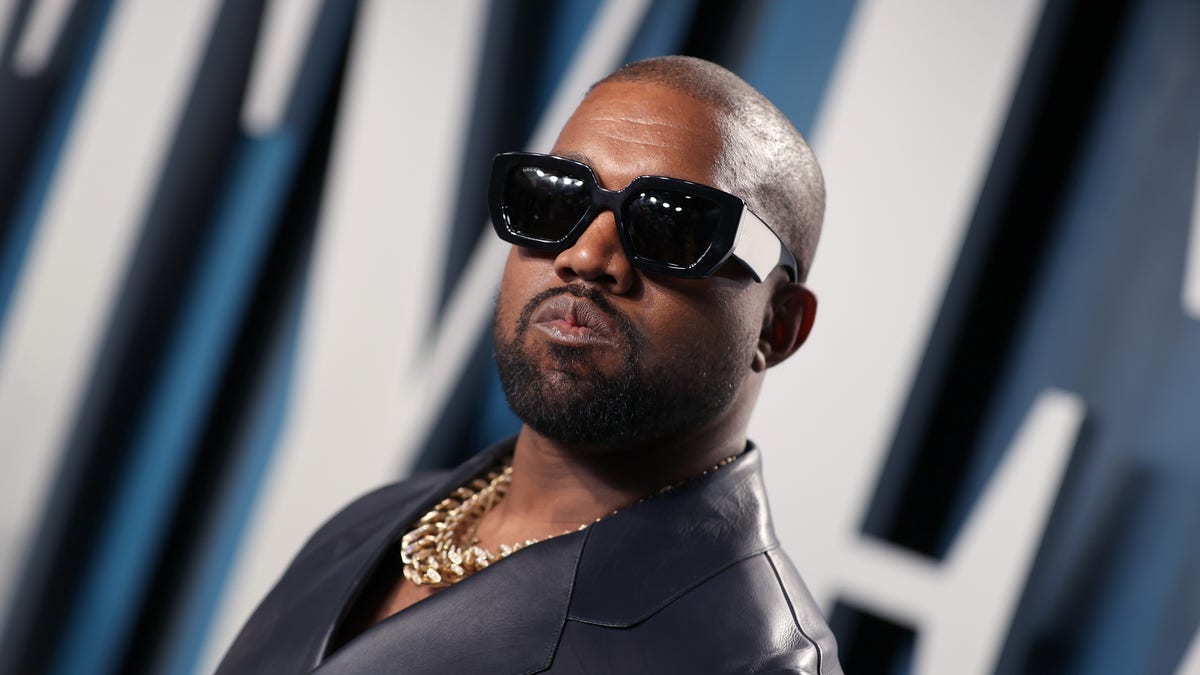
The fallout from a series of antisemitic remarks continues to reverberate for musician Kanye West, now known as Ye. In a recent attempt to reshape public perception, West published a full-page advertisement in The Wall Street Journal and granted an extensive interview to Vanity Fair, both centered around an apology. However, the sincerity of this apology is being questioned, with West asserting it wasn’t a calculated public relations maneuver designed to rehabilitate his image or boost forthcoming commercial ventures.
The controversy stems from a period of highly publicized and often inflammatory statements made by West in late 2022, including praise for Adolf Hitler and the dissemination of antisemitic tropes. These comments led to widespread condemnation, the severing of business ties with major brands like Adidas and Gap and a significant decline in his public standing. The situation escalated to the point where West’s social media accounts were restricted, and he faced intense scrutiny from both the public and the media. The core of the current narrative revolves around whether West’s recent actions represent genuine remorse or a strategic attempt to regain commercial viability.
In his interview with Vanity Fair, West maintained that his apology stemmed from genuine regret, not a desire to capitalize on the upcoming release of his album, BULLY, or to revive his brand. He claimed that despite the controversy, his music continues to perform well, citing a position within the top 10 most listened-to artists on Spotify in 2025. He further stated that pre-saves for BULLY were among the highest on the platform. However, this claim regarding his Spotify ranking appears to be inaccurate. According to HotNewHipHop, Kendrick Lamar’s album, “GNX,” held the top spot in 2025, with West’s 2007 album, Graduation, ranking fourth.
The Apology and Its Context
The full-page advertisement in The Wall Street Journal, titled “To Those I’ve Hurt,” saw West expressing remorse and acknowledging the pain caused by his previous statements. He specifically apologized to the Jewish and Black communities, stating that his words had “gone too far.” The advertisement detailed a period of what West described as a “four-month-long manic episode of psychotic, paranoid and impulsive behavior,” suggesting this as a contributing factor to his earlier remarks. This explanation echoes statements made previously regarding his mental health, though it has not been independently verified by medical professionals.
West’s attempt to frame his apology as a purely emotional response, separate from commercial considerations, is a key element of his current narrative. He emphasized that his remorse was “so heavy on my heart and weighing on my spirit,” suggesting that the apology was driven by a personal need for reconciliation rather than a calculated business strategy. This message is particularly relevant given the significant financial losses West has incurred following the termination of his partnerships with Adidas and other brands. The financial impact of these severed ties is substantial, with estimates suggesting losses in the billions of dollars.
The Business Implications
The timing of West’s apology is undeniably linked to his efforts to rebuild his career. The suspension of his Yeezy partnership with Adidas, a collaboration that once generated billions in revenue, has left a significant void in his financial portfolio. Adidas officially ended the partnership in October 2023, citing West’s “unacceptable, hateful and dangerous” statements. The company initially hesitated to sell the remaining Yeezy inventory, but eventually decided to donate a portion of the proceeds to anti-hate groups. The financial repercussions extend beyond Adidas, impacting West’s other ventures and his overall net worth.
The release of BULLY represents a crucial opportunity for West to re-establish himself in the music industry and potentially regain some financial stability. The album has garnered significant pre-release attention, fueled in part by the controversy surrounding West’s recent actions. However, it remains to be seen whether the apology will be enough to sway public opinion and restore his commercial viability. The music industry is increasingly sensitive to issues of social responsibility, and West’s past behavior may continue to pose a challenge to his future success.
The Role of Mental Health
West’s reference to a “manic episode” raises the complex issue of mental health and its potential impact on public figures. Even as acknowledging mental health struggles can foster understanding, it also raises questions about accountability. Experts caution against using mental health as a blanket excuse for harmful behavior, emphasizing the importance of taking responsibility for one’s actions. The intersection of mental health, public image, and commercial interests is a delicate one, and West’s case highlights the challenges of navigating these complexities.
It’s important to note that West has previously discussed his struggles with bipolar disorder. However, a self-diagnosis or public statement does not constitute a formal medical evaluation. Without independent verification from qualified medical professionals, This proves difficult to assess the extent to which mental health may have contributed to his past behavior. The conversation surrounding West’s apology underscores the need for nuanced discussions about mental health and its role in public discourse.
Public Reaction and Future Outlook
The response to West’s apology has been mixed. While some have expressed a willingness to accept his remorse, others remain skeptical, citing his history of controversial statements and actions. Social media platforms have been flooded with both supportive and critical comments, reflecting the deeply divided opinions surrounding West’s case. The long-term impact of the apology on his public image and commercial prospects remains uncertain.
The situation also raises broader questions about the responsibility of public figures to use their platforms responsibly. West’s case serves as a cautionary tale about the potential consequences of hate speech and the importance of promoting inclusivity and respect. The music industry and the broader entertainment world are grappling with how to address issues of social responsibility and hold individuals accountable for their actions. The outcome of West’s attempt at rehabilitation will likely have implications for other public figures facing similar challenges.

Looking ahead, West’s next steps will be closely scrutinized. The release of BULLY will be a critical test of his ability to regain public trust and commercial success. His continued engagement with the public and his willingness to address the concerns raised by his past actions will also be key factors in shaping his future trajectory. The situation remains fluid, and the ultimate outcome remains to be seen.
As of March 13, 2026, the release date of BULLY remains unconfirmed, though reports suggest a potential launch in the coming months. The music industry will be watching closely to see how the album is received and whether West can successfully navigate the challenges he faces. The coming months will be pivotal in determining whether West can rebuild his career and restore his reputation.
What are your thoughts on Kanye West’s apology? Share your opinions in the comments below, and be sure to share this article with your network.