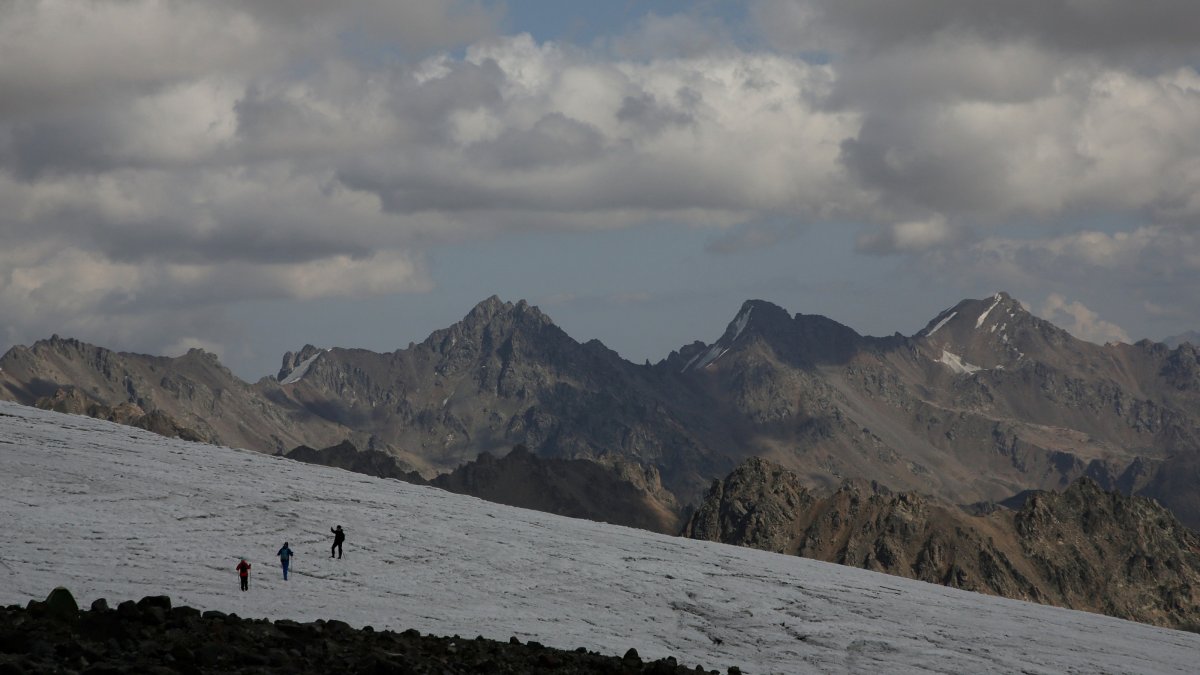
Five Bosnian climbers were feared dead on Russia’s Mount Elbrus following a sudden and violent storm, according to statements released by a Bosnian rescue service on Sunday. Russian emergency services launched extensive search and rescue operations on Europe’s highest peak as harsh weather conditions hampered efforts to locate the missing group on the mountain’s high-altitude slopes.
The incident on Mount Elbrus highlights the severe hazards climbers face when rapidly changing weather systems strike high-altitude mountaineering routes in the Caucasus region. Local rescue authorities and regional emergency response teams coordinated efforts to deploy ground teams as soon as conditions permitted initial reconnaissance near the affected climbing zones.
Mount Elbrus, standing at 5,642 meters (18,510 feet) above sea level in the western Caucasus mountains of Russia, is renowned for treacherous meteorological shifts. High winds, sudden drops in temperature, and blinding snowstorms frequently create perilous conditions for mountaineers attempting ascents during the climbing season.
Search and Rescue Operations on Mount Elbrus
Russian rescue teams deployed specialized personnel to comb the upper reaches of Mount Elbrus after reports emerged that the Bosnian climbers were trapped by the severe weather system. According to updates from regional emergency services, search operations faced immediate hurdles due to high-velocity winds, low visibility, and freezing temperatures that persisted across the mountain’s slopes.
Mountain rescue coordinators explained that high-altitude searches require precise deployment windows to protect the safety of the rescue workers themselves. Teams utilized snowmobiles and specialized climbing gear to access higher camps and traverse routes commonly used by expeditions attempting to summit the stratovolcano.
Understanding the Hazards of Europe’s Highest Peak
Mount Elbrus attracts hundreds of international climbers each year, drawn by its status as one of the Seven Summits. However, the mountain’s vast ice fields and exposed ridges leave travelers vulnerable to sudden storms that materialize with little warning. Meteorological experts note that cold air masses sweeping across the Caucasus can drop temperatures dramatically within hours, catching ascending parties far above base camp facilities.
International mountaineering safety organizations consistently advise climbing groups operating in the Caucasus to maintain close communication with base camps and monitor localized weather forecasts closely. Despite these precautions, unpredictable localized weather patterns frequently overwhelm even well-prepared expeditions.
Next Steps and Official Updates
Emergency response units in the region stated that search and rescue operations would continue as weather conditions allowed, with further updates expected from regional authorities as rescue workers survey higher elevation zones. Officials urged public and media outlets to rely on verified bulletins from official search coordination centers for accurate information regarding the ongoing operations on Mount Elbrus.
We invite readers to share their thoughts or follow ongoing developments in the comments section below.
Related reading