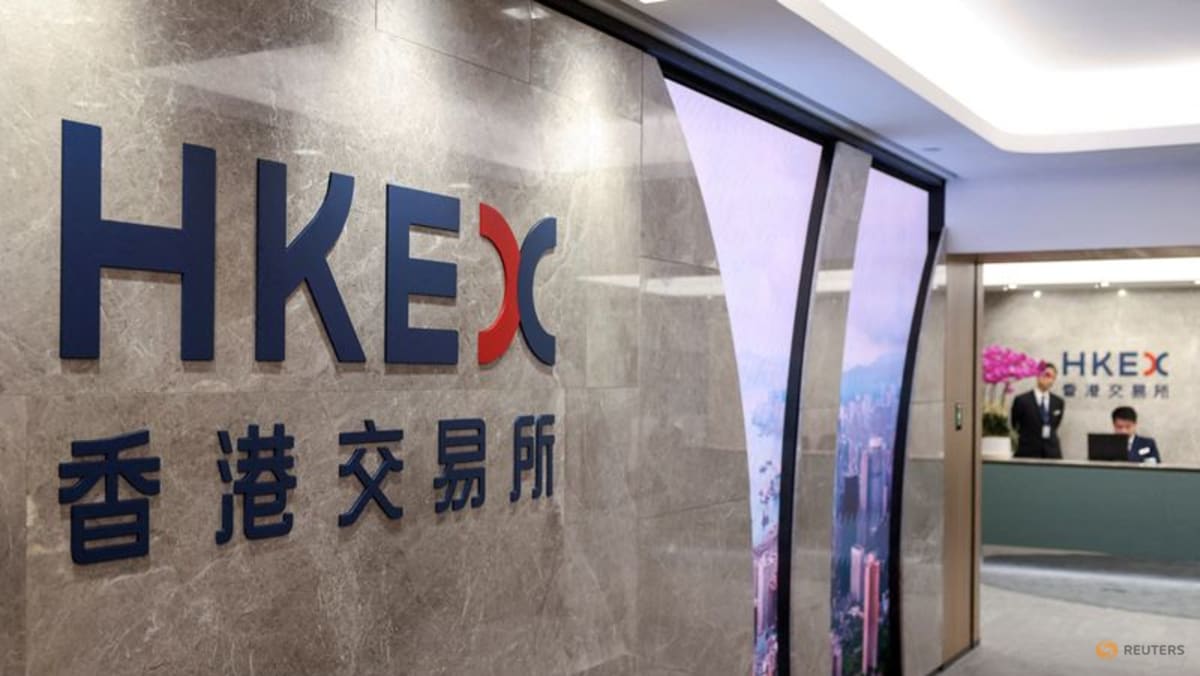
Hong Kong is moving to bolster its position as a leading global financial hub with proposed changes to its stock exchange rules, aiming to attract more listings and increase competitiveness. The proposed revisions, announced by Hong Kong Exchanges and Clearing (HKEX), center on easing requirements for companies seeking to establish a dual-class share structure, a move that could unlock a new wave of investment and initial public offerings (IPOs) in the region. This comes after a strong 2025 for Hong Kong’s equity market, which saw it grow the world’s top listing venue.
The changes are part of a broader competitiveness review undertaken by HKEX, reflecting a strategic effort to adapt to evolving market dynamics and maintain its appeal to both domestic and international companies. The proposals address key areas, including market value thresholds for dual-class listings, eligibility criteria, and procedural changes designed to streamline the listing process. The move signals Hong Kong’s commitment to innovation and its willingness to adapt to the needs of a diverse range of businesses, particularly those with unique governance structures.
Understanding Dual-Class Share Structures
Dual-class share structures allow founders and key executives to retain significant control over a company even after selling shares to the public. This is typically achieved by issuing shares with different voting rights, granting certain shareholders disproportionate influence over corporate decisions. Although controversial, these structures are often favored by technology companies and high-growth businesses, as they allow founders to pursue long-term strategies without being unduly influenced by short-term market pressures. The appeal lies in maintaining a clear vision and protecting innovative approaches, even as the company grows and attracts external investment.
Lowering the Barriers to Entry
Currently, companies interested in a dual-class share structure in Hong Kong must meet one of two thresholds. The first is a market capitalization of HK$40 billion (approximately $5.1 billion USD, using an exchange rate of 7.8274 Hong Kong dollars to 1 US dollar). The proposed changes would halve this requirement to HK$20 billion. The second threshold, combining market capitalization and revenue, currently stands at HK$10 billion in market cap plus HK$1 billion in revenue. HKEX is proposing to lower this to a market cap of HK$6 billion plus revenue of HK$600 million. These adjustments are designed to make dual-class listings accessible to a wider range of companies, particularly those that are earlier in their growth trajectory.
These lowered thresholds are significant. They open the door for a broader spectrum of companies, particularly those in emerging sectors, to consider listing in Hong Kong. By reducing the financial burden of meeting the existing requirements, HKEX aims to attract businesses that might otherwise choose to list in alternative markets, such as the United States or other Asian exchanges. This is a direct response to increasing competition within the global IPO landscape.
Expanding Eligibility Beyond Technology
Historically, dual-class share structures in Hong Kong have been primarily associated with technology companies, where the necessitate to protect intellectual property and maintain a long-term vision is particularly acute. However, HKEX is now considering expanding the eligibility criteria to include companies whose success is driven by a novel business model, even if that model isn’t based on cutting-edge technology. This broadening of scope recognizes that innovation can take many forms and that companies with disruptive business models may also benefit from the stability and control offered by a dual-class structure. This is a notable shift, acknowledging that innovation isn’t solely confined to the tech sector.
Streamlining the Listing Process with Confidential Filings
In a further move to enhance its competitiveness, HKEX is proposing to allow all new listing applicants to file confidentially. Currently, this privilege is largely reserved for companies pursuing a secondary listing and those operating in the biotechnology and specialist technology sectors. Extending confidential filing to all applicants would provide greater flexibility and reduce the risk of sensitive information being leaked during the listing process. This is particularly appealing to companies that are still in the early stages of development or those operating in competitive industries. Confidential filings allow companies to refine their proposals and engage with regulators without the scrutiny of public markets.
Hong Kong’s Strong Performance in 2025
The proposed changes arrive on the heels of a remarkably successful 2025 for Hong Kong’s stock exchange. Bolstered by a surge in share sales from mainland Chinese firms, Hong Kong secured its position as the world’s top listing venue, with total equity capital market fundraising reaching $103 billion – a 164% increase compared to the previous year, according to data from the bourse. As of February 27, 2026, the exchange reported a robust pipeline of 530 main board applications, indicating continued strong demand for listings in the region. HKEX data confirms this strong performance.
The influx of Chinese companies has been a key driver of Hong Kong’s success, but the exchange is keen to diversify its listing base and attract companies from a wider range of sectors, and geographies. The proposed changes to the dual-class share structure rules are a key component of this strategy, aimed at positioning Hong Kong as a more attractive destination for innovative and high-growth businesses.
Market Consultation and Next Steps
HKEX is currently seeking feedback on these proposals from market participants, with the consultation period scheduled to run until May 8, 2026. This consultation process is crucial, allowing stakeholders to voice their opinions and contribute to the final shape of the new rules. The exchange will carefully consider all feedback received before finalizing the changes, which are expected to be implemented in the coming months. The outcome of this consultation will be closely watched by investors, companies, and regulators alike.
The Hong Kong Exchanges and Clearing Limited, together with its subsidiaries, operates stock and futures exchanges, and related clearing houses in Hong Kong, the United Kingdom, and Mainland China. It is uniquely positioned to offer access to Asia’s vibrant markets. HKEX Group plays a vital role in the region’s financial ecosystem.
Key Takeaways
- Hong Kong is proposing to lower the market value thresholds for dual-class share listings to attract more companies.
- The changes aim to make Hong Kong more competitive as a global financial hub.
- Confidential filing options are being expanded to all new listing applicants.
- Hong Kong was the world’s top listing venue in 2025, raising $103 billion in equity capital.
The proposed changes represent a significant step towards modernizing Hong Kong’s listing regime and enhancing its appeal to a wider range of companies. By lowering the barriers to entry and streamlining the listing process, HKEX is signaling its commitment to innovation and its determination to remain a leading global financial center. The market will be closely watching the outcome of the consultation period and the subsequent implementation of these new rules.
The consultation period closes on May 8, 2026, after which HKEX will analyze the feedback received and finalize the proposed changes. Readers interested in contributing to the consultation can find more information on the HKEX website. We encourage readers to share their thoughts on these developments in the comments below.
Related reading