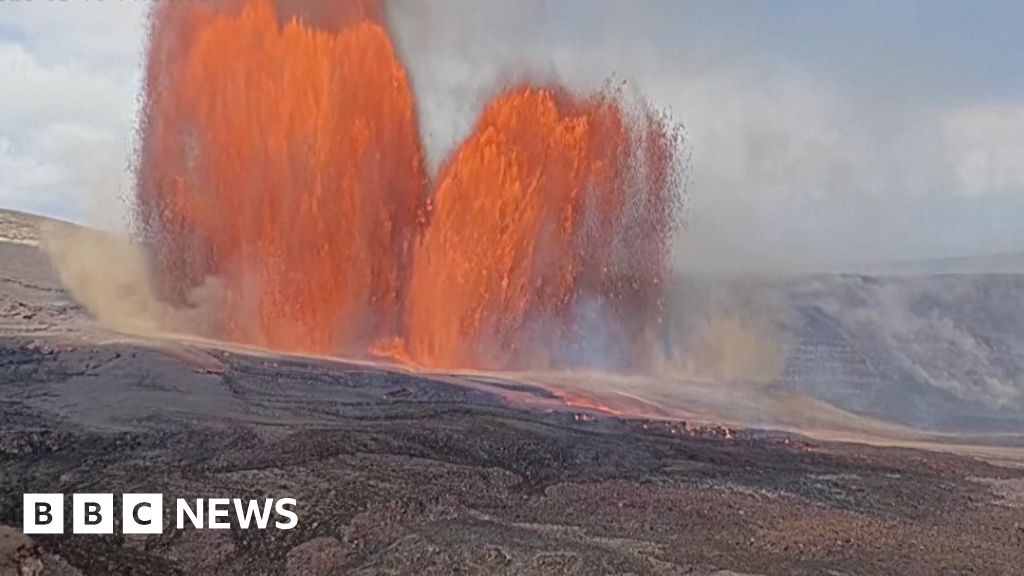
Hawai’i Island, USA – Kīlauea, one of the world’s most active volcanoes, is currently paused after a recent eruption that showered Hawaiʻi Volcanoes National Park and surrounding communities with volcanic fragments known as tephra. The U.S. Geological Survey (USGS) is closely monitoring the volcano, providing daily updates as activity fluctuates. This latest episode highlights the ongoing volcanic activity that shapes the Hawaiian Islands and the importance of preparedness for residents and visitors alike.
The recent activity at Kīlauea involved the emission of tephra – a broad term for fragments of volcanic rock and glass ejected during an eruption. This material, which can include volcanic ash, pumice, scoria, and even delicate strands of volcanic glass called Pele’s hair and reticulite, was carried downwind from the volcano’s summit. While spectacular to observe, tephra fall can pose hazards, including respiratory irritation and damage to infrastructure.
Kīlauea’s Recent Eruptive Pause and Forecast
According to the USGS Hawaiian Volcano Observatory’s (HVO) daily update on March 12, 2026, the Halemaʻumaʻu eruption is currently paused. However, incandescence – a faint glow from heat – was observed from both vents overnight, and both inflation and tremor continue, indicating that magma remains beneath the surface. The USGS reports that preliminary models suggest the next episode of lava fountaining, designated episode 44, could begin between March 28 and April 12.
The alert level for Kīlauea remains at WATCH, with an Aviation Color Code of ORANGE. This signifies that the volcano is exhibiting heightened unrest with increased potential for eruption. The HVO maintains close contact with Hawai’i Volcanoes National Park and the Hawai’i County Civil Defense Agency to ensure coordinated responses to any changes in volcanic activity. A summary of the previous episode, episode 43, is available in a recent status report from the HVO.
Understanding Tephra and its Impact
Tephra, the material falling from Kīlauea’s plume, is composed of fragmented volcanic material created by explosive eruptions. The size of tephra particles can vary greatly, from fine ash to larger chunks of rock. The heaviest tephra fall from the recent activity was recorded at Uēkahuna Overlook, where approximately 4 to 7 inches accumulated. The USGS explains that the composition of tephra can provide valuable insights into the processes occurring within the volcano.
The potential impacts of tephra fall include:
- Respiratory Irritation: Fine ash particles can irritate the lungs and exacerbate existing respiratory conditions.
- Reduced Visibility: Heavy ashfall can significantly reduce visibility, creating hazardous driving conditions.
- Infrastructure Damage: Accumulation of tephra can weigh down roofs and potentially cause structural damage.
- Disruption of Air Travel: Volcanic ash poses a serious threat to aircraft engines, leading to flight cancellations and diversions.
Residents in downwind areas are advised to take precautions during periods of tephra fall, including staying indoors, closing windows and doors, and wearing masks to protect their respiratory systems. The Hawai’i County Civil Defense Agency provides guidance and updates on volcanic hazards.
Kīlauea’s History and Ongoing Monitoring
Kīlauea is a shield volcano, characterized by its broad, gently sloping shape, built up over thousands of years by fluid lava flows. The 2018 eruption of Kīlauea was particularly impactful, involving an outpouring of more than one cubic kilometer of lava, which dramatically reshaped the landscape and caused significant disruption to communities on the island. According to the USGS, this was the most impactful eruption in centuries.
The HVO employs a variety of monitoring techniques to track Kīlauea’s activity, including:
- Seismometers: Detect ground vibrations caused by magma movement.
- Gas Sensors: Measure the composition and amount of volcanic gases released.
- Deformation Monitoring: Tracks changes in the shape of the volcano’s surface.
- Visual Observations: Scientists monitor the volcano from the ground and air to observe changes in activity.
- Remote Cameras: Provide continuous views of the volcano’s summit and vents.
Currently, the HVO notes that a V1 camera suffered internal damage and requires replacement, but sound is still active on the camera. Significant changes in activity are posted on the HVO’s observatory messages page.
The Halemaʻumaʻu Crater and Recent Activity
The recent eruptive activity has been focused on the Halemaʻumaʻu crater, located at the summit of Kīlauea. Intermittent glow was observed from the south vent, while the north vent was quieter, emitting plumes of gas. Incandescence, or glowing from heat, on the crater floor was reduced compared to the previous night, but a bright overturn occurred in a small depression east of the vents.
Looking Ahead: Continued Monitoring and Preparedness
The USGS Hawaiian Volcano Observatory continues to closely monitor Kīlauea, providing crucial data and analysis to inform public safety and preparedness efforts. While the current eruption is paused, the potential for renewed activity remains. Residents and visitors are encouraged to stay informed about volcanic hazards and follow guidance from official sources.
The next official update from the HVO is scheduled for March 13, 2026, at 10:00 AM HST. For the latest information on Kīlauea, please visit the USGS Hawaiian Volcano Observatory website and the Hawai’i County Civil Defense Agency website.
What are your thoughts on the ongoing volcanic activity at Kīlauea? Share your comments and questions below, and please share this article with anyone who may be affected by volcanic hazards.
Worth a look