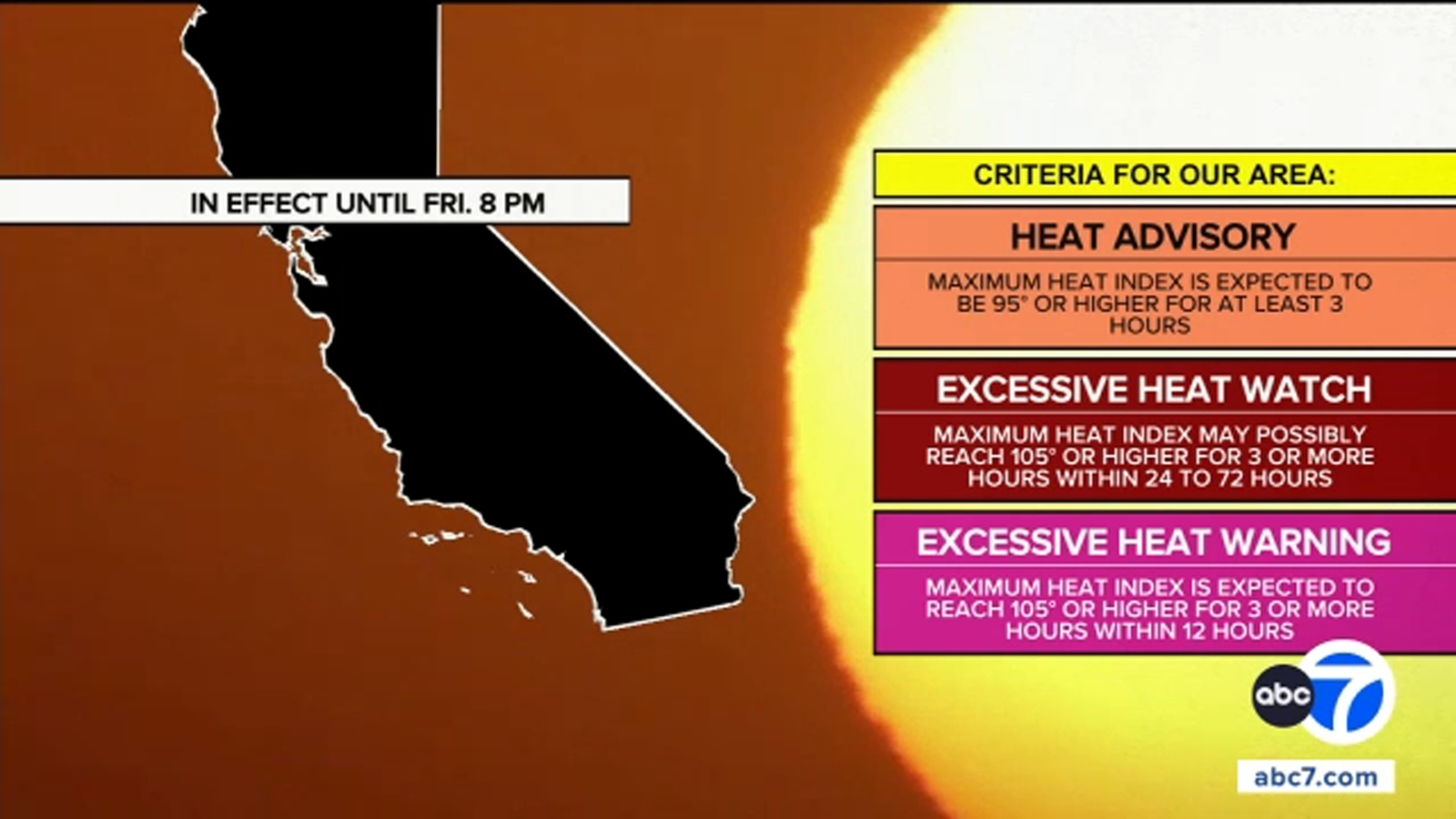
Extreme Heat Watch Issued for Southern California, Threatening Record Temperatures
Southern California is bracing for a potentially record-breaking heatwave, with an extreme heat watch set to take effect Monday, March 16, 2026. The National Weather Service (NWS) forecasts soaring temperatures throughout the region, peaking mid-week, and posing a significant risk of heat-related illnesses. The unusually warm conditions, arriving early in the spring season, are expected to challenge daily and monthly temperature records across multiple counties. This heatwave is particularly concerning given the time of year, with temperatures expected to be 25-35 degrees above normal for March.
The NWS issued the extreme heat watch covering much of Southern California, including Los Angeles and surrounding areas. Forecasters predict temperatures could reach 102°F in Covina, 100°F in Santa Clarita and Canoga Park, and 98°F in Lancaster. These projections raise concerns about the vulnerability of residents, particularly the elderly and those without access to adequate cooling. The extended period of intense heat is expected to strain energy grids and potentially impact outdoor activities and infrastructure.
Peak Heat Timing and Regional Variations
The heat will build gradually throughout the week, with the most intense conditions expected to vary by location. Coastal areas are anticipated to experience peak temperatures on Tuesday and Wednesday. Inland valleys will see the highest heat from Tuesday through Friday, while the mountains and deserts will face the brunt of the heatwave from Wednesday through Friday, according to the National Weather Service. This staggered peak allows for a more nuanced understanding of the heat’s impact across the diverse Southern California landscape.
The NWS forecasts a high of 84°F for Sunday, March 15th, with mostly clear skies. Monday will see a rise to 90°F, continuing the upward trend. By Tuesday, temperatures are expected to climb to 97°F, and then to a scorching 102°F on both Wednesday and Thursday. Nighttime lows will offer limited relief, remaining in the 60s throughout the week. The extended duration of these high temperatures is a key factor in the severity of the heat watch, increasing the risk of cumulative heat stress.
Health Risks and Safety Recommendations
The extreme heat poses a serious threat to public health, particularly for vulnerable populations. Heat exhaustion and heatstroke are among the most significant concerns. Symptoms of heat exhaustion include heavy sweating, weakness, dizziness, headache, nausea, and muscle cramps. Heatstroke, a more severe condition, can cause confusion, seizures, and loss of consciousness, and requires immediate medical attention. The NWS emphasizes the importance of proactive measures to mitigate these risks.
Officials recommend adjusting plans to avoid strenuous outdoor activities, especially during the hottest parts of the day. If outdoor perform is unavoidable, it should be scheduled for the early morning or late evening hours. Staying hydrated is crucial, and individuals should drink plenty of fluids, even if they don’t experience thirsty. Seeking shade or air-conditioned environments is also essential. The NWS specifically advises checking on elderly neighbors and relatives to ensure they are aware of the heat risks and have access to cooling options. For those without air conditioning, planning alternative cooling strategies is vital.
Historical Context and Potential Records
The anticipated heatwave is particularly noteworthy due to its timing in March. According to the NWS, if temperatures reach the predicted levels, this period could become the hottest March on record since 1988. This would represent a significant departure from typical March weather patterns in Southern California. The combination of early-season heat and prolonged duration is what makes this event so unusual and potentially dangerous. The Santa Fe Dam station recorded a current temperature of 83°F at 3:57 PM PDT on March 14, 2026, with a humidity of 26% and a heat index of 81°F, providing a glimpse of the conditions already building in the region.
The current forecast suggests that many daily records will be broken, and some monthly records are likely to fall. The NWS is closely monitoring the situation and will provide updates as the heatwave evolves. Residents are encouraged to stay informed by checking the latest forecasts and advisories from the National Weather Service. The potential for widespread record-breaking temperatures underscores the severity of this event and the importance of taking appropriate precautions.
Preparing for the Heat: Resources and Information
Several resources are available to aid residents prepare for and stay safe during the extreme heat. The National Weather Service website (https://www.weather.gov/lox/) provides detailed forecasts, heat advisories, and safety tips. Local emergency management agencies also offer valuable information and resources. The Weather Channel provides a 10-day forecast for Covina, California (https://weather.com/weather/tenday/l/Covina%20CA?canonicalCityId=5ee5bbf9c0f59c39aad47a3de21f0acb), allowing residents to plan for the extended period of high temperatures.
The National Oceanic and Atmospheric Administration (NOAA) emphasizes the significant economic impact of weather and climate, with approximately one-third of the U.S. Economy being weather-sensitive (https://www.noaa.gov/weather). This underscores the importance of accurate forecasting and preparedness measures to mitigate potential economic disruptions caused by extreme weather events like this heatwave.
Key Takeaways:
- An extreme heat watch is in effect for most of Southern California starting Monday, March 16, 2026.
- Temperatures are forecast to reach 102°F in some areas, potentially breaking records.
- The heat poses a significant risk to public health, particularly for vulnerable populations.
- Residents are urged to take precautions, including staying hydrated, seeking shade, and checking on elderly neighbors.
The NWS will continue to monitor the situation closely and provide updates as the heatwave progresses. Residents are encouraged to stay informed and take necessary precautions to protect themselves and their communities. The next significant update from the National Weather Service is expected on Monday morning, March 16th, providing a more refined forecast and any potential adjustments to the heat watch. Please share this information with your network and leave a comment below if you have any questions or concerns.
Keep reading