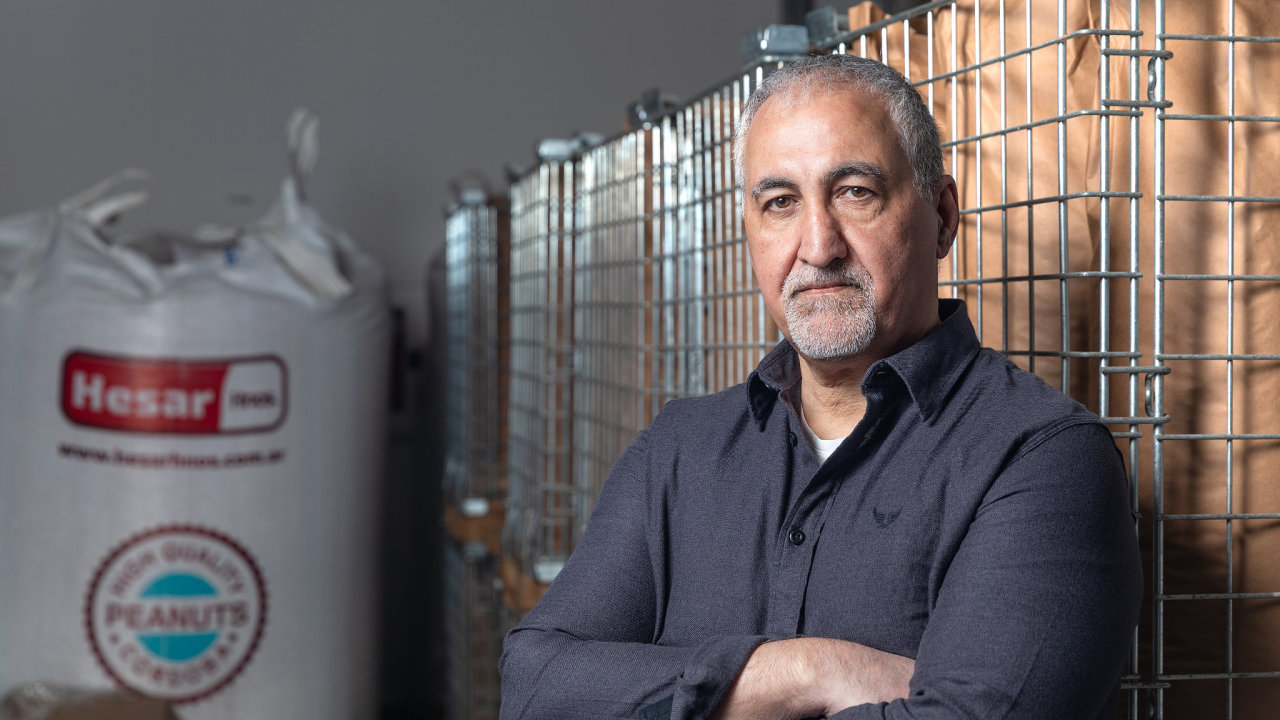
The future of Iran remains a subject of intense speculation, with some observers predicting a swift collapse of the current regime. While the possibility of imminent change is debated, the underlying pressures – economic hardship, political repression, and widespread discontent – are undeniable. A Czech-based Iranian entrepreneur recently asserted that the regime could fall within three weeks, paving the way for a democratic transition, though this claim remains unconfirmed by broader analysis. This comes amidst heightened regional tensions and ongoing concerns about Iran’s nuclear program, further complicating the geopolitical landscape.
The current Iranian government, a theocratic republic, has faced increasing criticism both domestically and internationally. Protests, often sparked by economic grievances or restrictions on personal freedoms, have turn into increasingly frequent. These demonstrations are met with a harsh response from security forces, leading to a growing number of casualties and arrests. The scale of the crackdown is significant, with reports indicating at least 6,126 people have been killed during protests, according to sources cited by Fox News Digital. This level of repression fuels further resentment and contributes to a cycle of unrest.
Escalating Tensions and Regional Implications
Recent events have significantly heightened tensions between Iran and its regional rivals, particularly Israel and the United States. In April 2024, a reported Israeli strike targeted a facility in Iran, escalating a long-running shadow war. The exact nature and extent of the damage remain contested, but the incident underscores the fragility of the region and the potential for a wider conflict. Experts warn that such escalation could destabilize the entire Middle East and have global repercussions. A recent report in Aktuálně.cz highlighted concerns that previous U.S. Engagement with Iran may have been a distraction while preparations for military action were underway.
The situation is further complicated by concerns surrounding Iran’s nuclear program. While Iran maintains its program is for peaceful purposes, many countries fear it is developing nuclear weapons. The possibility of a nuclear-armed Iran is a major source of anxiety for regional and international powers, and efforts to negotiate a resolution have stalled. The recent strikes have raised questions about the effectiveness of diplomatic efforts and the potential for a military solution. The question of whether Iran is genuinely pursuing a nuclear weapon remains a point of contention, with some analysts suggesting the regime’s intentions are misrepresented.
Internal Dissent and the Role of the Diaspora
Despite the risks, internal dissent within Iran continues to grow. The protests, while brutally suppressed, demonstrate a deep-seated desire for change among the Iranian population. However, the protests have not reached the scale predicted by some observers. According to iROZHLAS, a dilemma has emerged: war or peace. The Iranian diaspora, while vocal in its opposition to the regime, has been criticized for its limited impact on the ground. Historian Araš Azízí, speaking to Deník N, argues that the diaspora has largely focused on performative activism rather than effective political action.
The case of Sepehr Ebrahimi, an amateur boxer allegedly killed by Iranian security forces during recent protests near Tehran, exemplifies the brutality of the regime’s response to dissent. His death, reported by Fox News Digital, has renewed attention on the plight of Iranian athletes and activists who have been targeted for their participation in pro-democracy movements. Another Iranian boxer, Mohammad Javad Vafaei Sani, remains on death row, accused of supporting the People’s Mojahedin Organization of Iran (MEK). The tragic story of Sepehr Shekari’s father, desperately searching for his son among bodies in a warehouse following a violent crackdown, underscores the human cost of the regime’s repression.
The Question of Regime Change and Potential Outcomes
The prediction of the Iranian regime’s imminent collapse within three weeks, as stated by the unnamed Iranian entrepreneur in the Czech Republic, is a bold claim that requires careful consideration. While the regime is undoubtedly facing significant challenges, its resilience and capacity for repression should not be underestimated. The potential for a sudden collapse is contingent on a number of factors, including sustained protests, economic pressures, and potential divisions within the ruling elite.
Should the regime fall, the transition to a new political system would likely be complex and fraught with challenges. The country faces deep-seated ethnic and religious divisions, as well as a legacy of authoritarian rule. Establishing a stable and democratic government would require a broad-based consensus among various factions and a commitment to inclusive governance. The role of external actors, such as the United States and regional powers, would also be crucial in shaping the post-regime landscape. Filip Sommer, in an interview with INFO.CZ, discussed the future of Iran and its relationship with Syria, highlighting the complexities of the region.
The Role of External Actors and the Path Forward
The United States’ role in the current situation is a subject of debate. Some argue that the recent military actions were necessary to deter Iran’s aggressive behavior and prevent it from acquiring nuclear weapons. Others contend that the strikes were counterproductive, escalating tensions and undermining diplomatic efforts. The logic behind the U.S. Actions is being questioned, as reported by Reflex.cz, with some suggesting that the decision-making process lacked clear strategic objectives.
The international community faces a challenging task in navigating the Iranian crisis. A purely military solution carries significant risks, potentially leading to a wider regional conflict. However, a purely diplomatic approach may not be sufficient to address the regime’s destabilizing behavior. A comprehensive strategy that combines diplomatic engagement, economic pressure, and a credible threat of force may be the most effective way to achieve a lasting resolution. The key will be to find a way to de-escalate tensions, promote dialogue, and support the Iranian people’s aspirations for a more democratic and peaceful future.
The situation in Iran remains highly volatile and unpredictable. While the prediction of a swift regime collapse may be optimistic, the underlying pressures and growing discontent suggest that change is inevitable. The international community must carefully consider its options and work towards a solution that promotes stability, security, and respect for human rights in the region.
The next significant development to watch will be Iran’s response to the recent strikes and the ongoing diplomatic efforts to de-escalate tensions. Further updates on the situation will likely emerge from international organizations and diplomatic channels in the coming weeks. We encourage readers to share their thoughts and perspectives on this critical issue in the comments below.