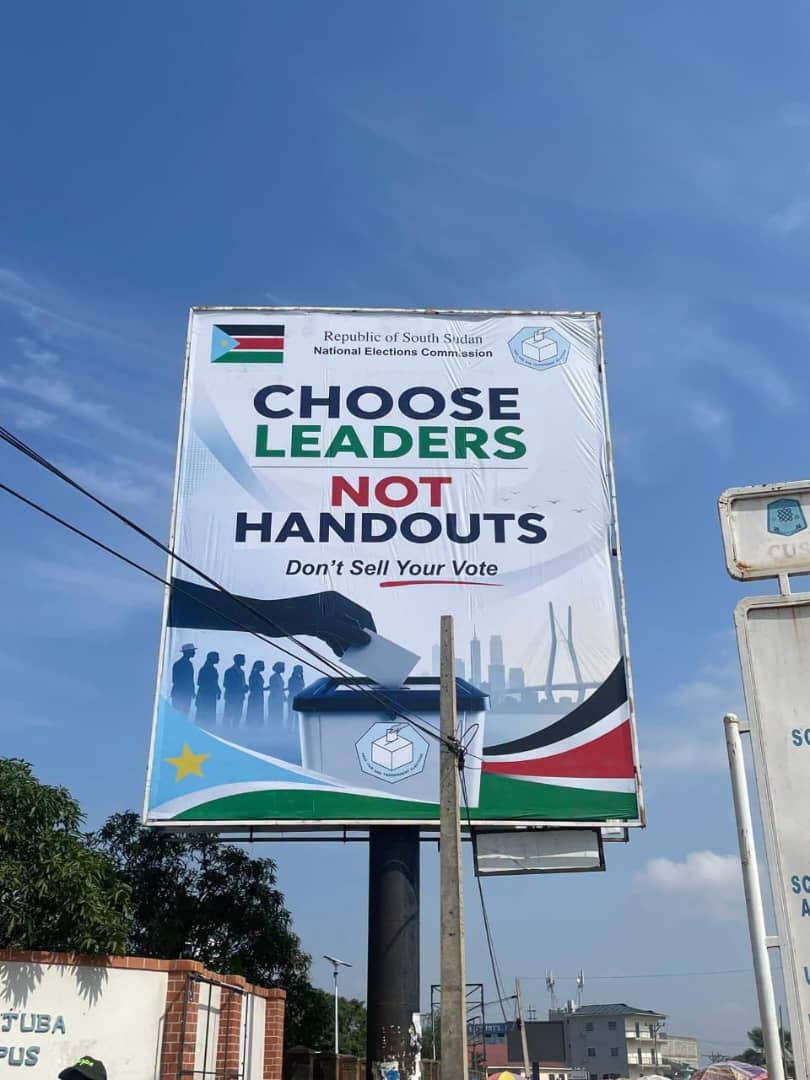
South Sudan’s National Elections Commission (NEC) has launched a nationwide voter and civic education campaign to prepare citizens for general elections scheduled for December 22, 2026. The initiative marks a critical step toward the country’s first national elections since gaining independence in 2011.
Campaign Goals and Target Populations
Launched in the capital of Juba, the campaign is designed to be strictly non-partisan. According to NEC Chairperson Prof. Abednego Akok Kacuol, the drive aims to inform eligible voters about polling procedures, the registration process, and their civic rights while encouraging broad participation across the nation. Akok stated that the exercise is intended to empower citizens to participate peacefully and meaningfully in shaping the future of our nation.
The NEC will specifically prioritize reaching marginalized and vulnerable groups that frequently encounter barriers to voting. These priority groups include:
- Women
- Youth and young people
- Persons with disabilities
- Internally displaced persons
Implementation and Institutional Support
The nationwide rollout of the education campaign will be conducted through partnerships with various stakeholders, including media outlets, political parties, faith-based groups, community leaders, and civil society organizations.
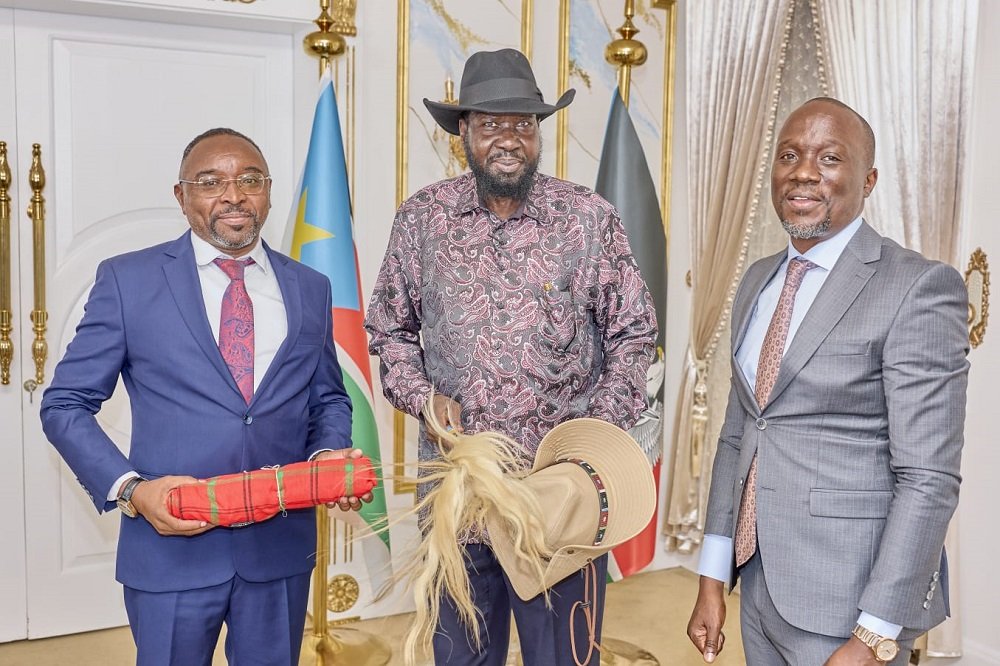
Government and international officials have signaled their support for the process. Vice-President James Wani Igga urged citizens to register and participate peacefully, asserting that a credible voter register serves as the foundation for a free and fair vote. Igga noted that an accurate register reduces disputes, strengthens public confidence, and promotes transparency. Similarly, Darren Nance, the Principal Electoral Affairs Officer representing the United Nations Mission in South Sudan (UNMISS), stated that informed citizens are central to credible elections and emphasized the need for legal reforms, political consensus, and adequate funding.
Legal Framework and Democratic Transition
The elections are scheduled under the roadmap for implementing the Revitalised Agreement on the Resolution of the Conflict in South Sudan (R-ARCSS). To clear the legal path for the December 2026 date, the Transitional National Legislature approved sweeping amendments to the R-ARCSS in early July 2026. These amendments removed two principal preconditions for holding the elections: the adoption of a permanent federal constitution and the completion of a national population and housing census.
Central Equatoria State Deputy Governor Paulino Lokudu Obede described the campaign as a turning point in the country’s democratic journey following years of conflict. He stated that after 16 years, the country is laying the foundation for democratic transformation, allowing people the right to choose their own leaders.
Economic Challenges and Regional Context
The electoral preparations are occurring alongside significant economic difficulties, including rising living costs and the continued depreciation of the South Sudanese pound. These factors have raised concerns regarding the economic environment surrounding the vote.
South Sudanese political leaders have appealed to Uganda to continue its role as a regional peace partner. According to reports from Nilepost, leaders suggested that South Sudan could learn from Uganda’s history of democratic processes and constitutional stability. While some officials suggested that adopting the Ugandan currency could help regional traders and mitigate the effects of dollarization, political analyst Feni Twaib cautioned that while Uganda may provide technical expertise or diplomatic support, the responsibility for ensuring credible and peaceful elections rests with South Sudanese authorities and citizens.
Worth a look