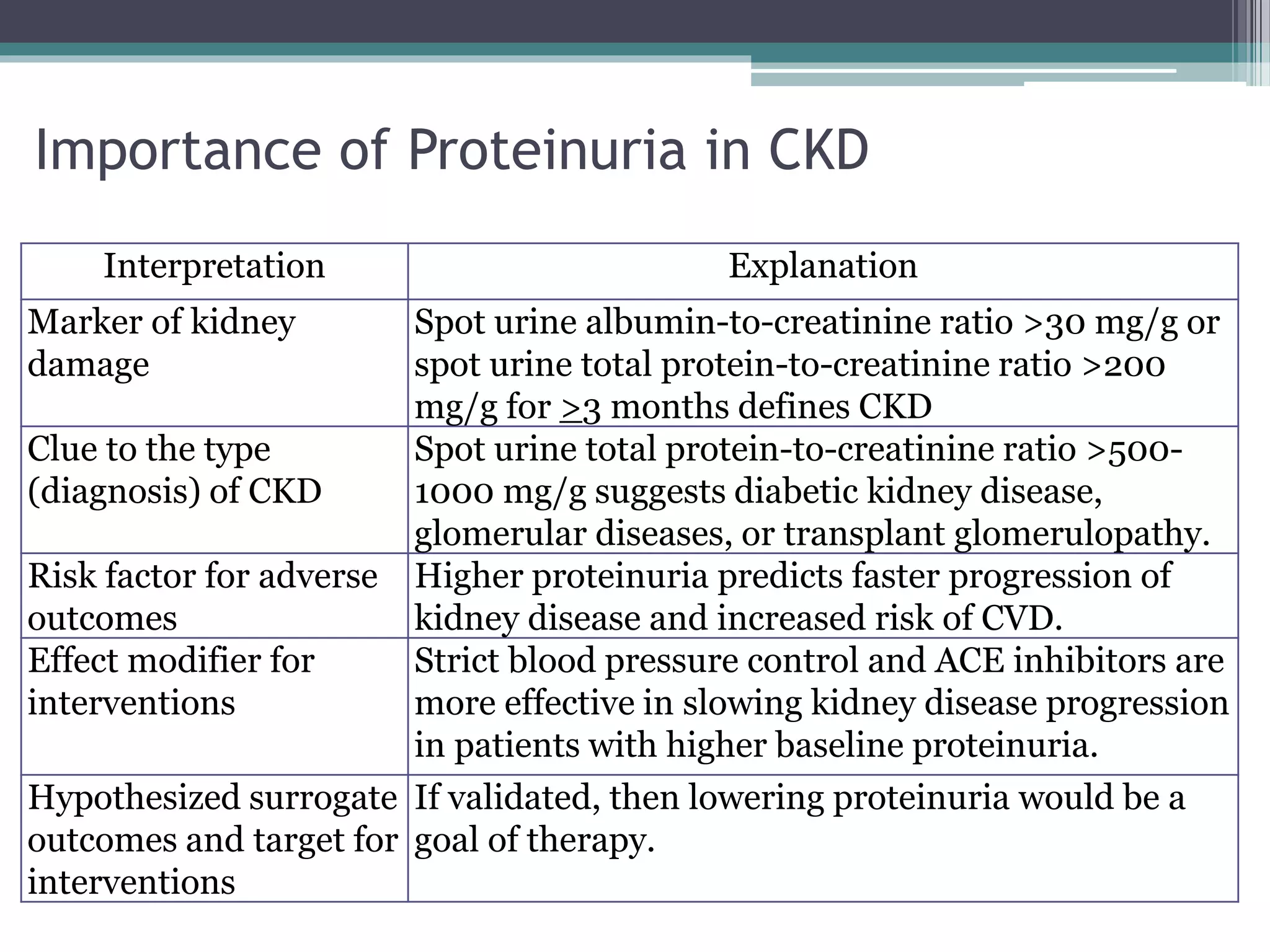
Berlin, Germany – New research continues to underscore the critical link between kidney health and cardiovascular well-being. Specifically, reducing proteinuria – the presence of abnormal amounts of protein in the urine – appears to significantly lower the risk of heart failure and mortality in individuals with chronic kidney disease (CKD). This finding reinforces the importance of early detection and aggressive management of kidney disease to protect against broader cardiovascular complications.
For years, medical professionals have recognized that kidney disease and heart disease frequently coexist, creating a dangerous cycle of declining health. The kidneys play a vital role in regulating blood pressure and fluid balance, and damage to these organs can directly contribute to cardiovascular strain. Proteinuria, often an early indicator of kidney damage, is now increasingly understood as a key factor in this interplay. It’s not simply a symptom; it’s a marker of underlying vascular injury and a predictor of future cardiac events.
The connection between proteinuria and cardiovascular disease isn’t new. Studies have demonstrated that even modest increases in protein excretion can signal heightened risk. As early as 2005, research highlighted proteinuria as a risk factor preceding any substantial decline in glomerular filtration rate (GFR), a standard measure of kidney function. This suggests that addressing proteinuria could be a proactive strategy for preventing both kidney and heart problems.
Proteinuria and Cardiovascular Risk: A Closer Look
Recent data further solidifies this understanding. A study published in March 2025 revealed a statistically significant increase in incidents of stroke and coronary heart disease among individuals exhibiting proteinuria. The research, published in the Journal of the American Heart Association, emphasizes that kidney injury itself can trigger changes that exacerbate cardiovascular risk. This is particularly concerning given the rising prevalence of CKD globally, driven by factors like diabetes, hypertension, and an aging population.

The mechanisms linking proteinuria to cardiovascular issues are complex and multifaceted. Protein in the urine isn’t just a harmless byproduct; it can directly damage blood vessels, promote inflammation, and contribute to the development of atherosclerosis – the buildup of plaque in the arteries. Proteinuria often accompanies other cardiovascular risk factors, such as high blood pressure and elevated cholesterol, creating a synergistic effect that accelerates disease progression.
It’s important to distinguish between proteinuria and albuminuria, though the terms are often used interchangeably. Albuminuria specifically refers to the presence of albumin, a particular type of protein, in the urine. While all albuminuria is proteinuria, not all proteinuria is albuminuria. However, both are considered indicators of kidney damage and associated cardiovascular risk. Research focusing on albuminuria and heart failure, published in January 2023 in the Journal of the American College of Cardiology, further supports the link between these conditions. The study highlights that while both glomerular filtration rate (GFR) and albuminuria are hallmarks of chronic kidney disease, estimated GFR (eGFR) is more commonly used in clinical practice.
Managing Proteinuria: Treatment Strategies and Prevention
The great news is that proteinuria is often manageable, and reducing its levels can have a substantial impact on cardiovascular outcomes. The cornerstone of treatment involves addressing the underlying cause of kidney disease. For individuals with diabetes, strict blood sugar control is paramount. For those with hypertension, effective blood pressure management is crucial. Often, this involves a combination of lifestyle modifications – including a healthy diet, regular exercise, and weight management – and pharmacological interventions.
Specific medications, such as angiotensin-converting enzyme (ACE) inhibitors and angiotensin receptor blockers (ARBs), are frequently prescribed to reduce proteinuria. These drugs perform by constricting blood vessels in the kidneys, thereby decreasing protein leakage. However, it’s essential to note that these medications may not be suitable for everyone, and their use requires careful monitoring by a healthcare professional.
Beyond medication, dietary changes can too play a significant role. Reducing sodium intake can facilitate lower blood pressure, while limiting protein consumption may reduce the workload on the kidneys. However, it’s crucial to consult with a registered dietitian to develop a personalized dietary plan that meets individual needs and avoids nutritional deficiencies.
The Role of Early Detection
Early detection of proteinuria is vital for effective management. Routine urine tests can identify even small amounts of protein, allowing for timely intervention. Individuals with risk factors for kidney disease – including diabetes, hypertension, family history of kidney disease, and older age – should undergo regular screening. The U.S. Preventive Services Task Force currently recommends screening for CKD in adults with these risk factors.
advancements in diagnostic technology are making it easier to detect and quantify proteinuria. Microalbuminuria testing, for example, can identify exceptionally low levels of albumin in the urine, often before more severe kidney damage occurs. This allows for even earlier intervention and potentially prevents the progression of both kidney and heart disease.
Looking Ahead: Future Research and Clinical Implications
Ongoing research is focused on identifying novel therapies to reduce proteinuria and improve cardiovascular outcomes in individuals with CKD. Researchers are exploring the potential of new medications that target specific pathways involved in kidney damage and inflammation. Studies are investigating the role of lifestyle interventions, such as exercise and dietary modifications, in reducing proteinuria and improving cardiovascular health.
The implications of these findings for clinical practice are significant. Healthcare providers should prioritize the assessment of proteinuria in all patients with CKD and those at risk for developing kidney disease. Aggressive management of proteinuria, combined with comprehensive cardiovascular risk reduction strategies, is essential for improving the long-term health and well-being of these individuals.
The link between proteinuria and cardiovascular disease is becoming increasingly clear. By focusing on early detection, effective management, and ongoing research, One can strive to reduce the burden of both kidney and heart disease and improve the lives of millions worldwide.
The European Renal Association – European Dialysis and Transplant Association (ERA-EDTA) will be hosting its annual congress in Copenhagen, Denmark, from June 15-18, 2026, where further research on kidney disease and cardiovascular health is expected to be presented. Stay tuned to World Today Journal for updates from this important event.
What are your thoughts on the importance of early kidney disease detection? Share your comments below, and please share this article with your network to raise awareness about this critical health issue.